Suggested substitutions: the rulebook behind the agent
The substitutions jazz theory suggests, each with a corpus example
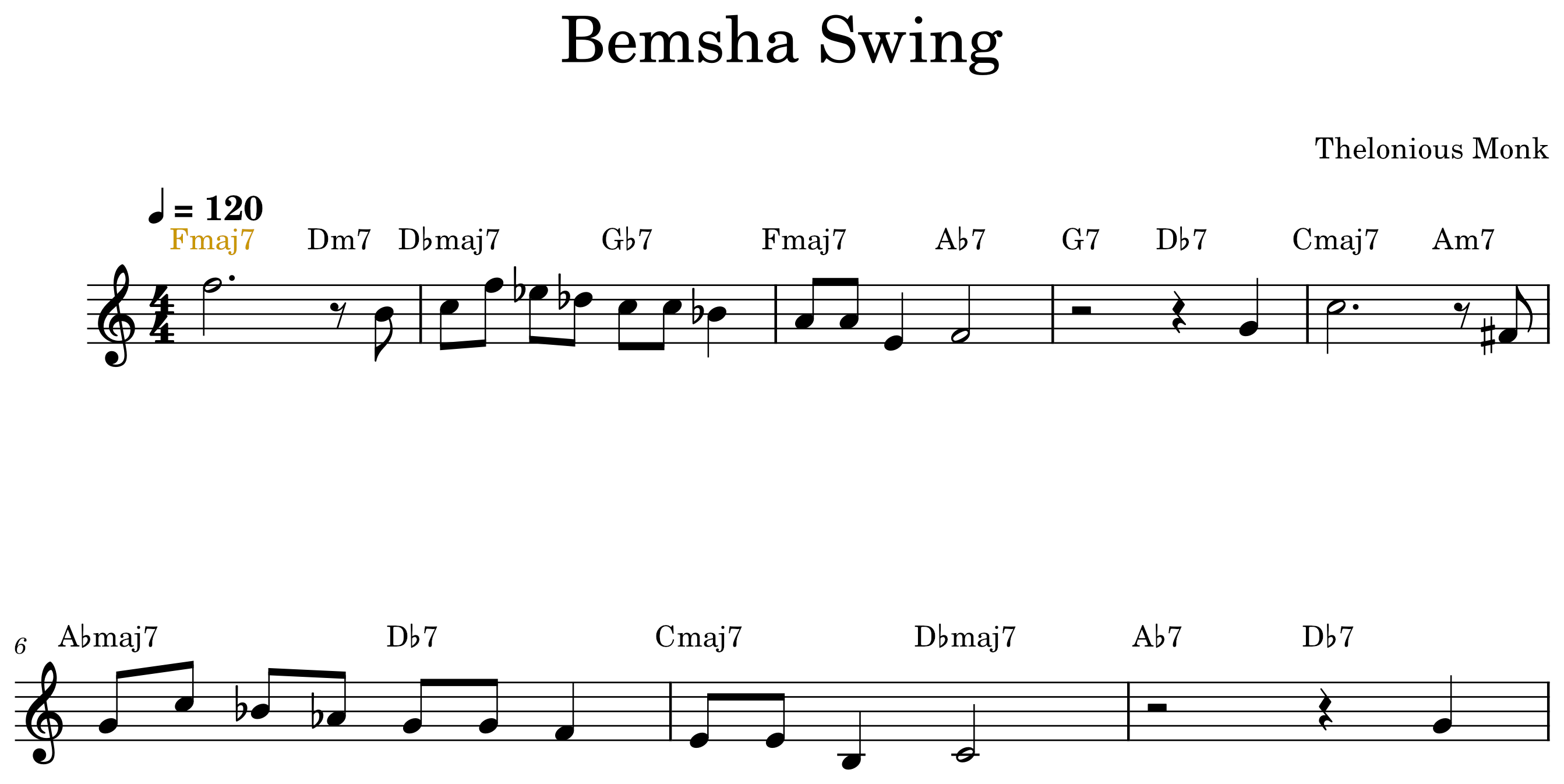
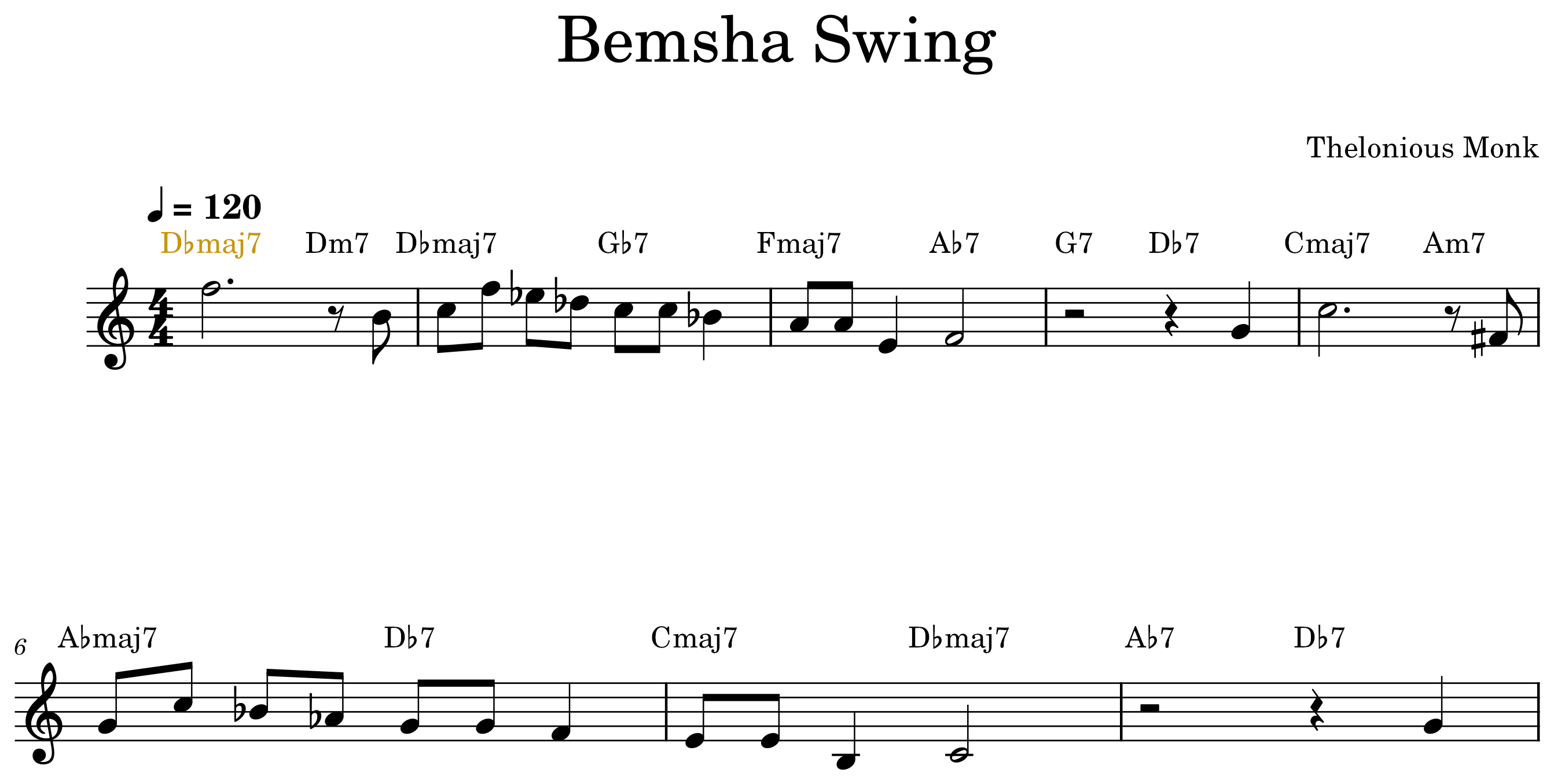
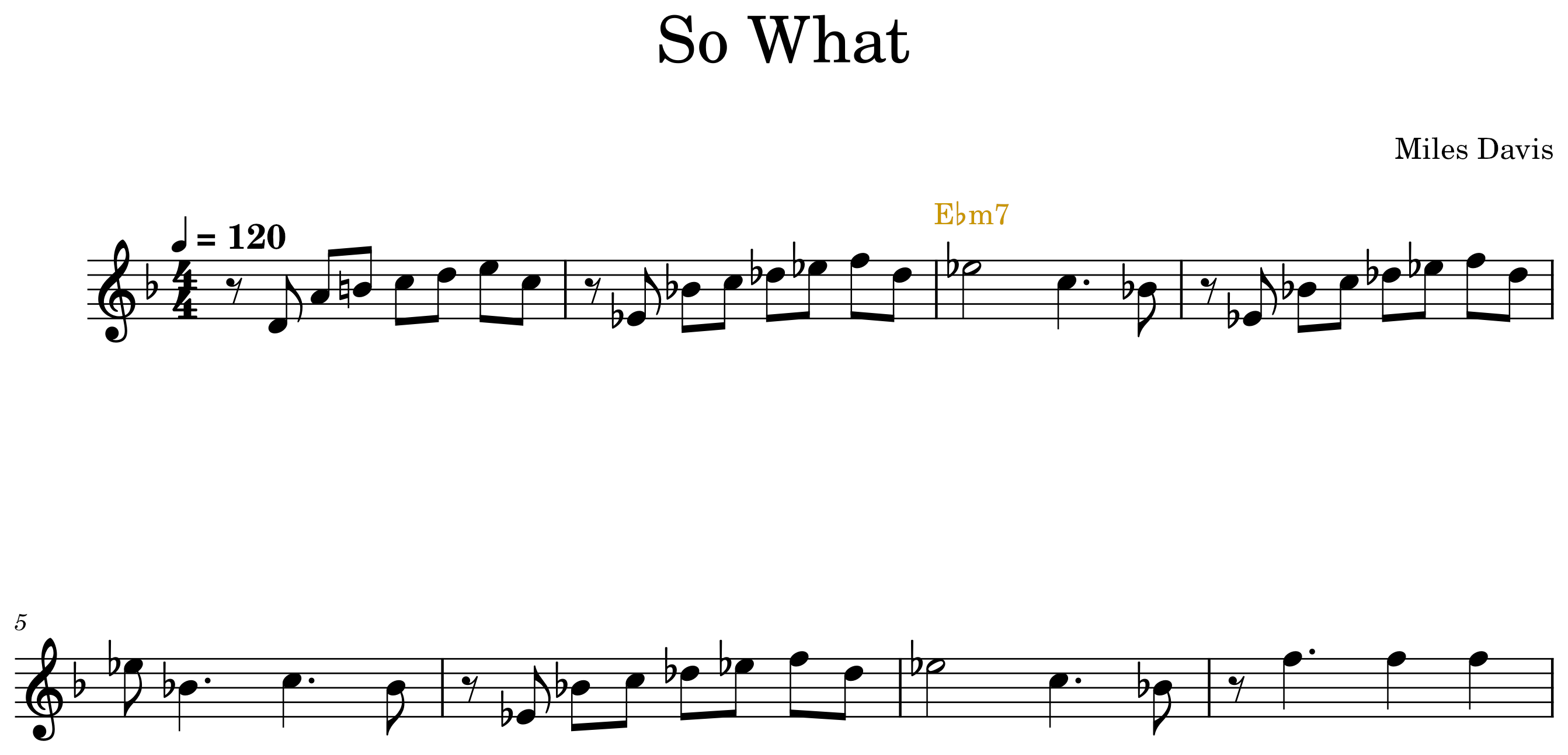
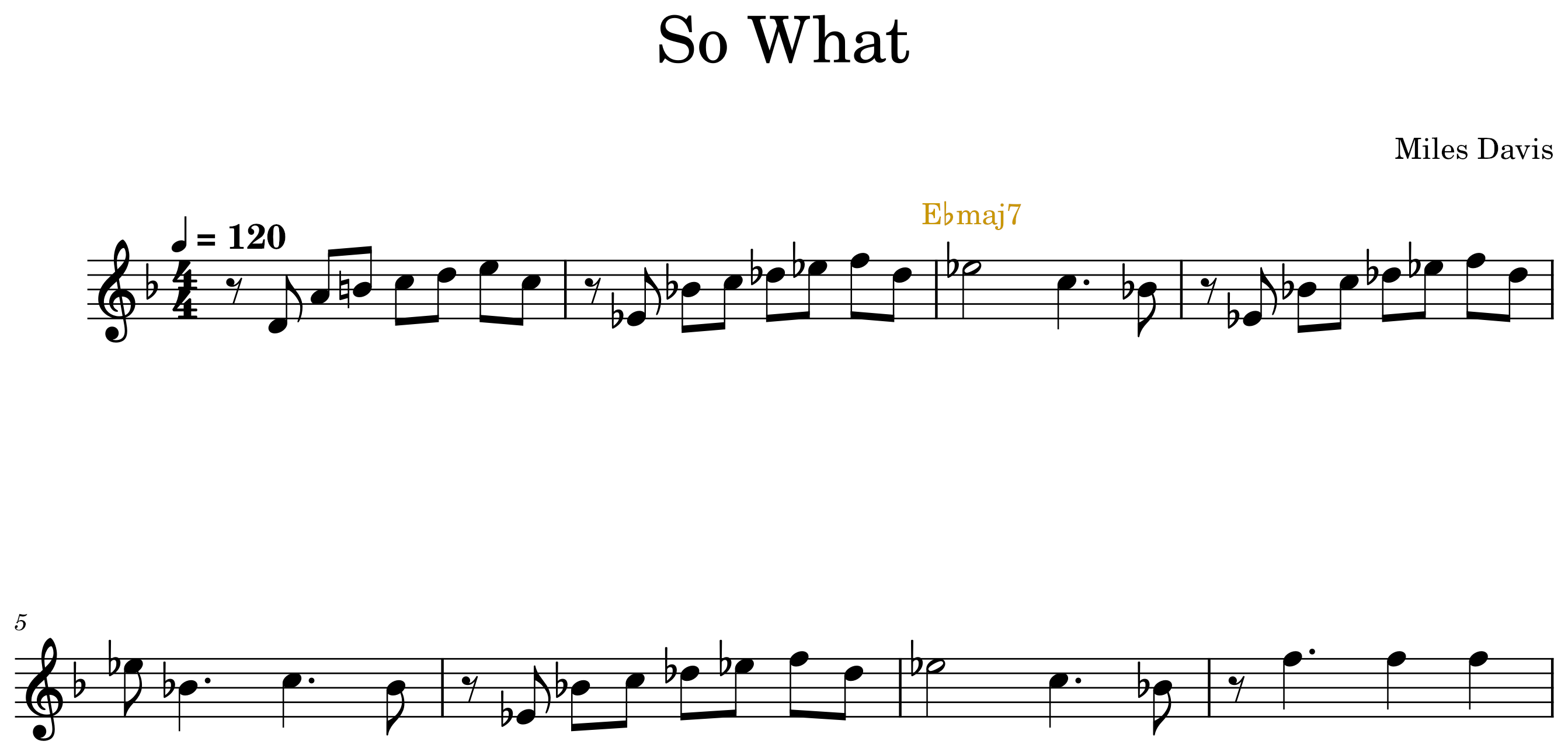
— notation before and after, and the audio. 29 substitution rules plus
2 structural moves (delete and the ii–V split): 31 entries. These are what
the agent is offered at every step, though a small share of its training exploration
deliberately goes off the book.
Drawn from the standard jazz-harmony literature and the reharmonization
lessons on thejazzpianosite.com, with Anton Petrov and Shai Cohen.
See the agents at work: five agents on five
tunes.
INSERT (5) — adds a chord
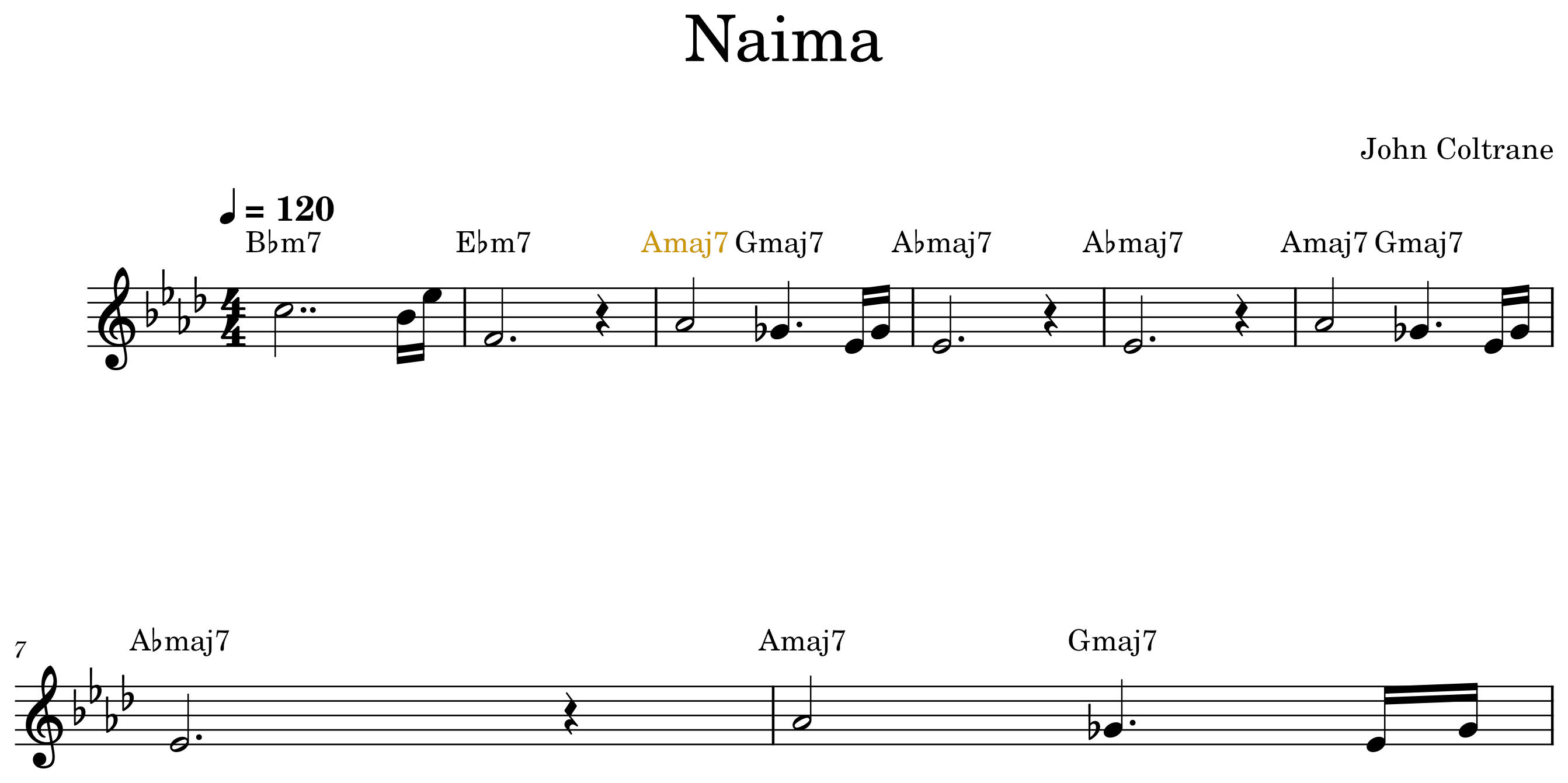
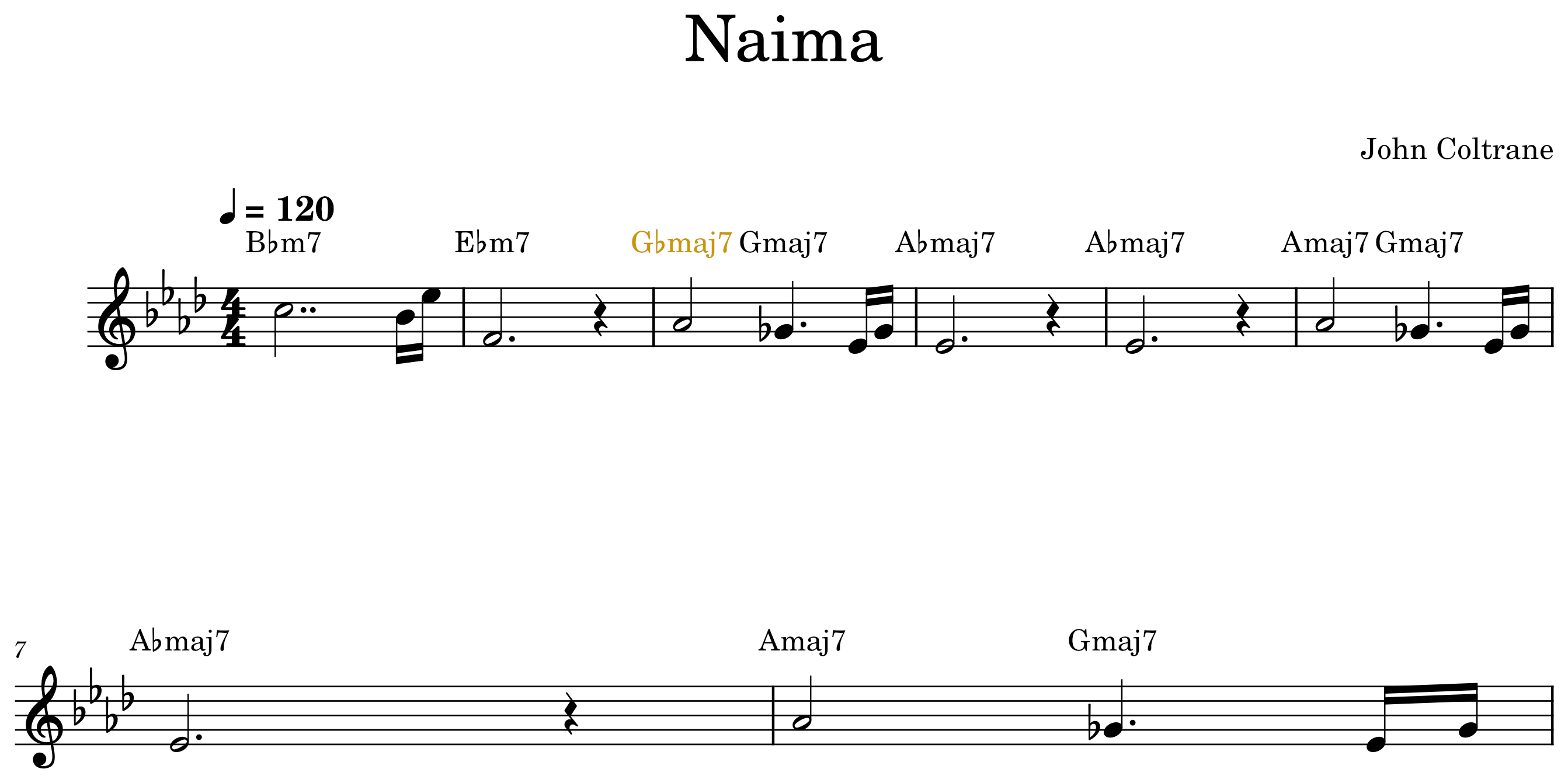
Chromatic approach also replaces
A chord a half-step above or below the target, in the same quality family (planing). Rejected if both strong-beat and full-bar.
Applied edit — bar 3, beat 1: replace A:maj7 with F#:maj7
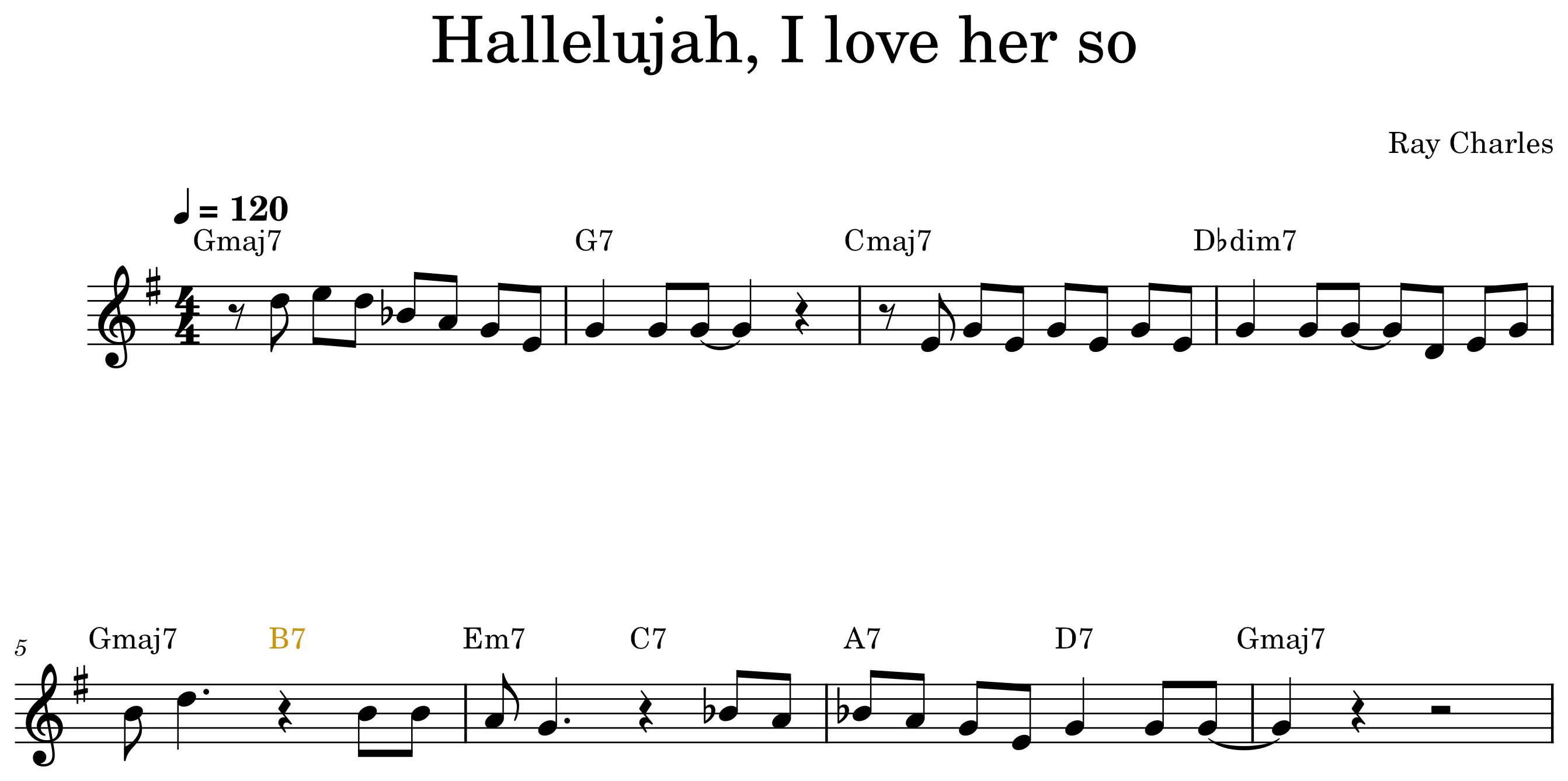
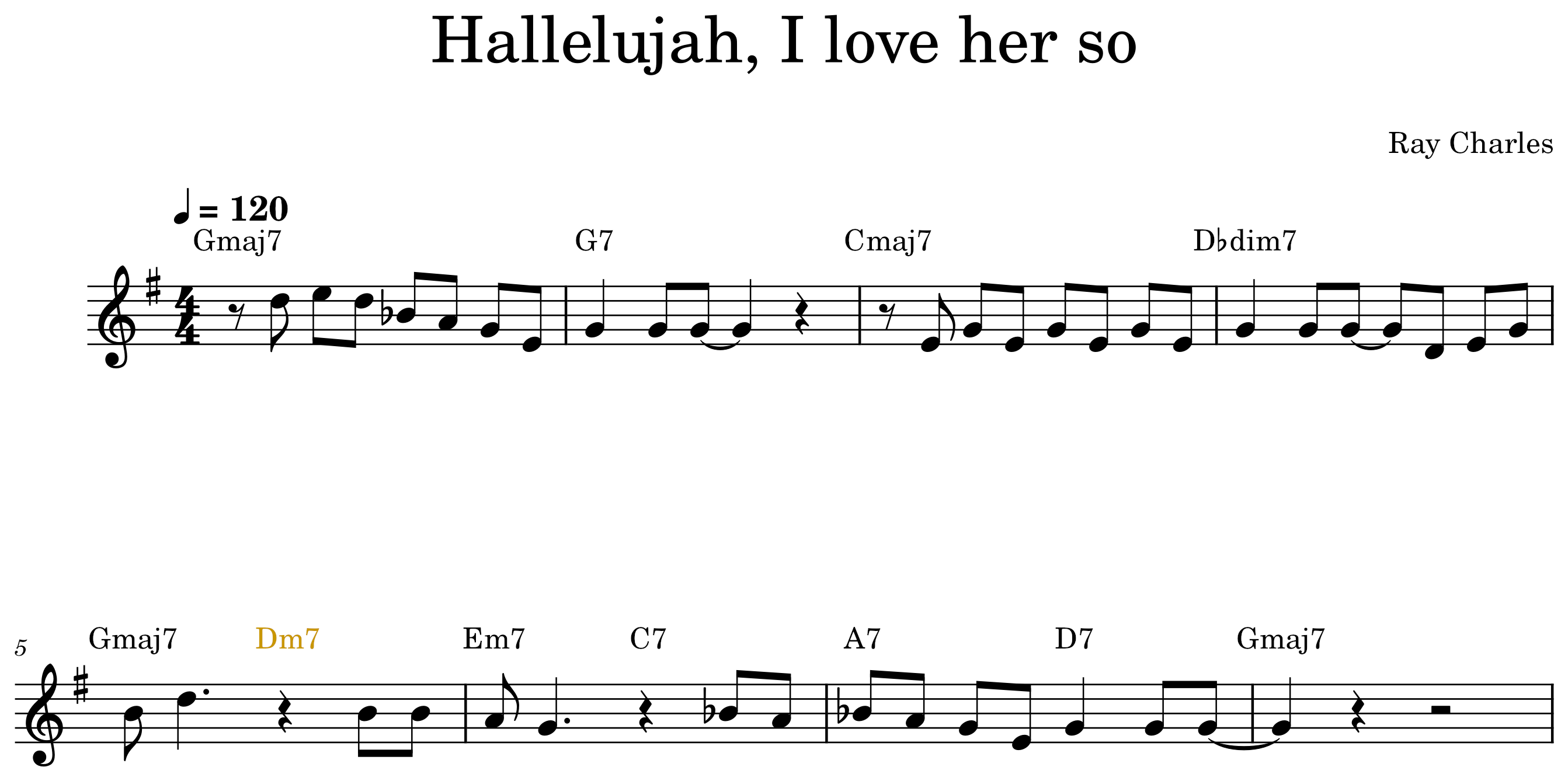
Diatonic approach also replaces
tune:
Hallelujah, I love her so
↑ rulesA chord a whole step above or below the target, same family — stepwise bass motion. Metric gate: beat 3, half-bar span flush to the target.
Applied edit — bar 5, beat 3: replace B:7 with D:min7
Dominant approach (insert)
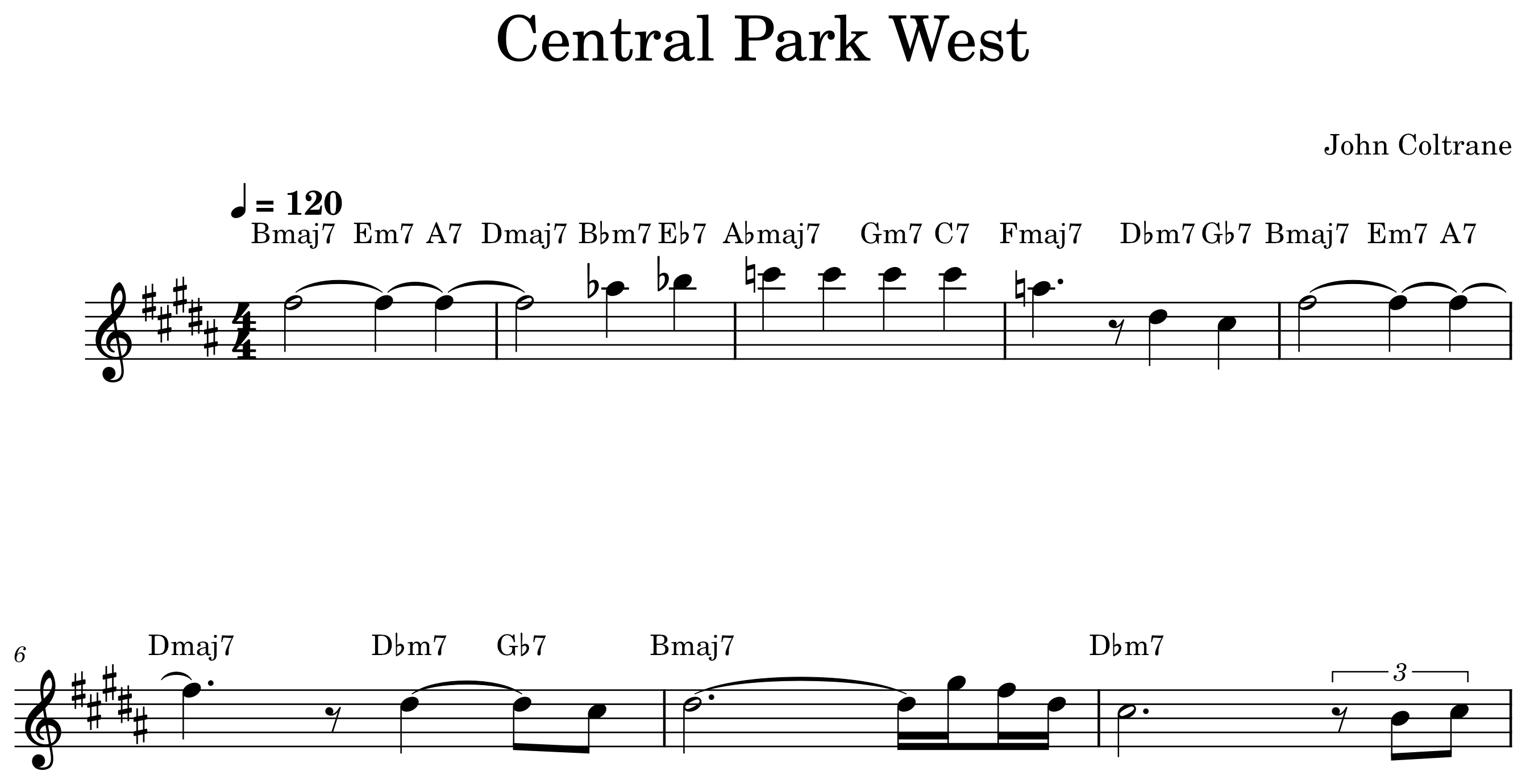
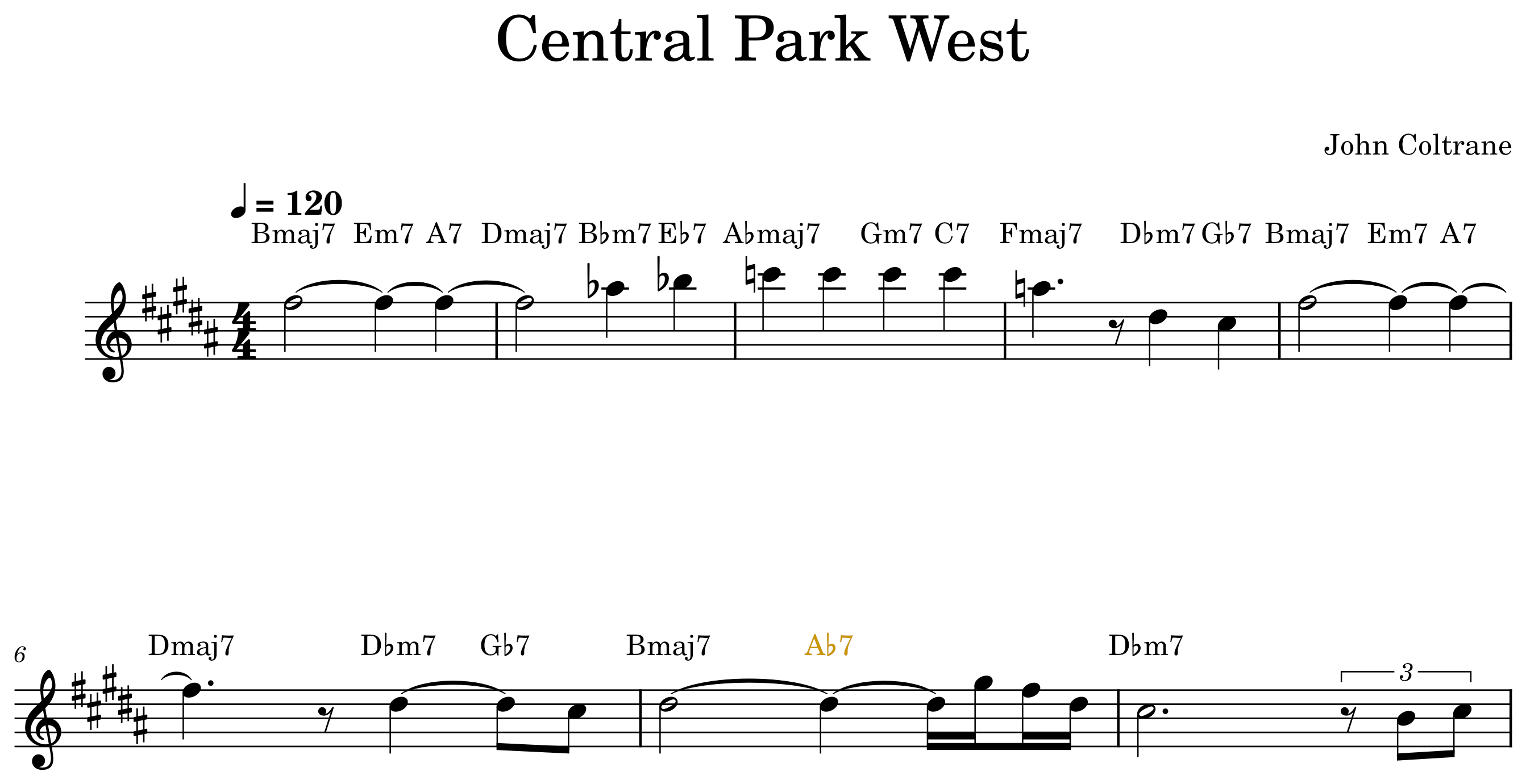
Insert the V7 of the next chord: dominant quality a fifth above a stable target with cadential weight (primary V-I or secondary V/x onto a diatonic degree). Metric gate: onset on beat 3, spanning flush to the target downbeat; beat-4 quarter-note approaches are forbidden.
Applied edit — bar 7, beat 3: insert Ab:7
Harmonic fill (insert)
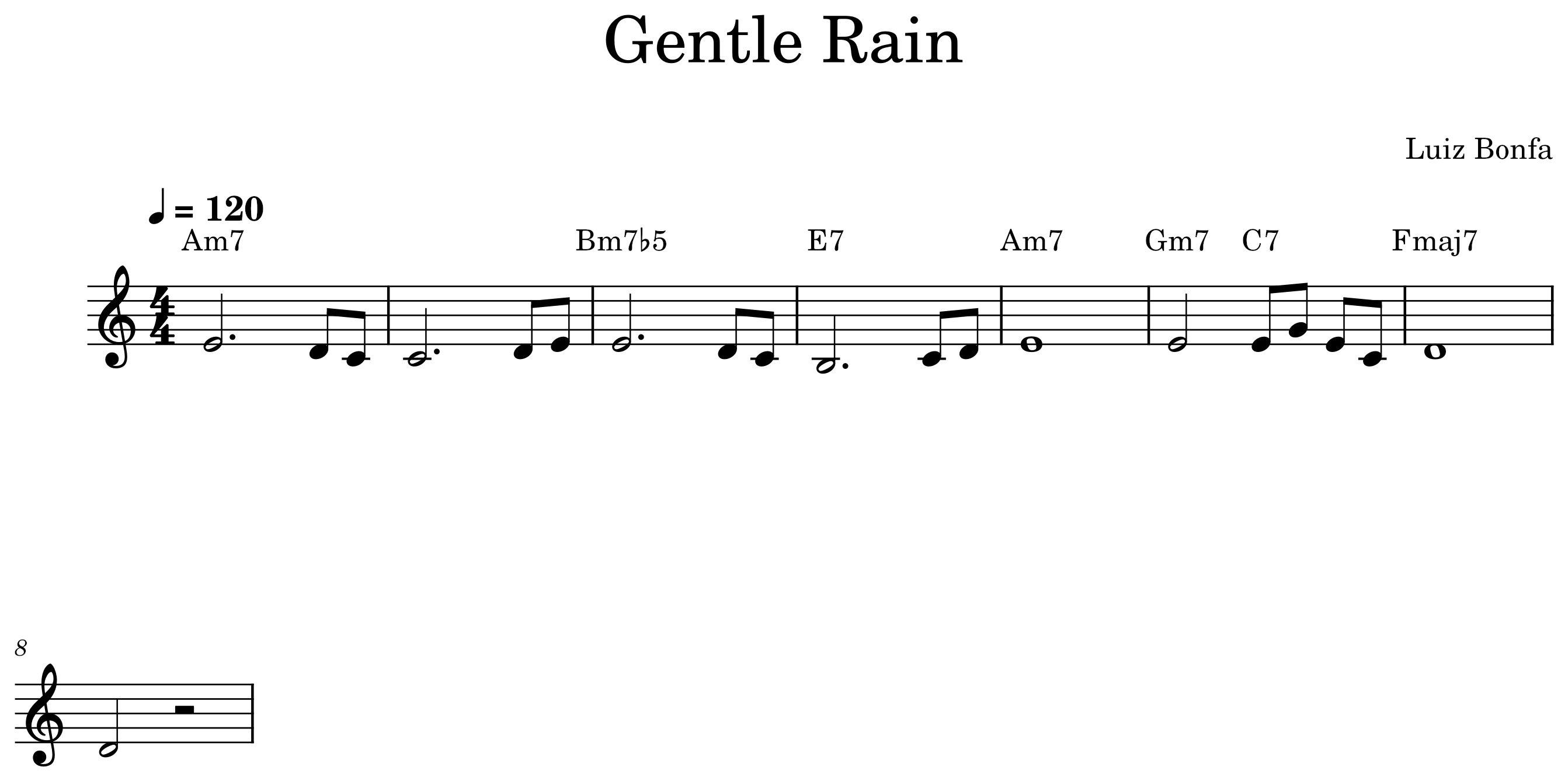
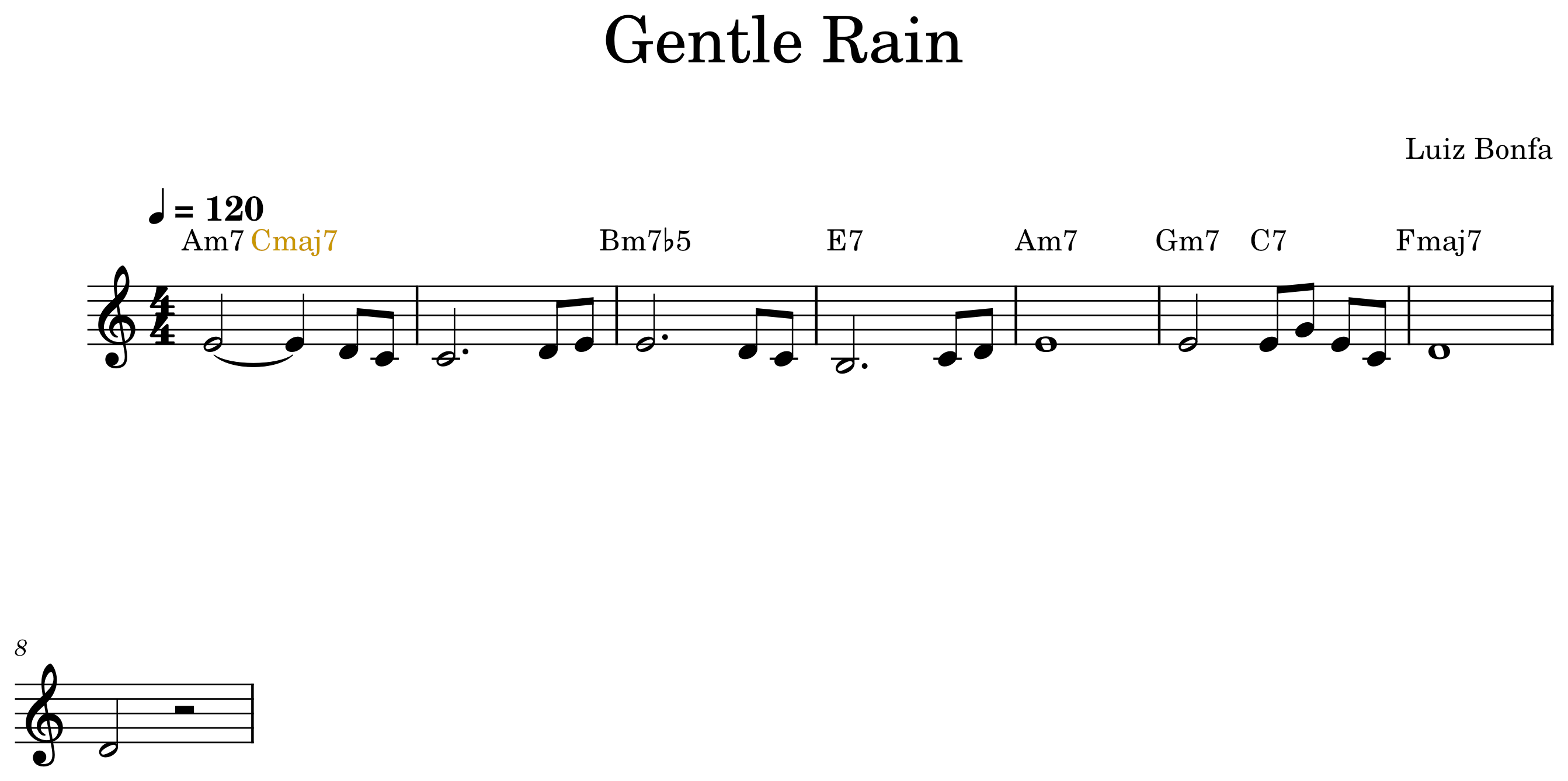
A chord held for two bars or more gets a new onset on a strong beat; the fill must be a same-function substitute or parallel-minor borrowing of the held chord.
Applied edit — bar 1, beat 3: insert C:maj7
Subdominant insert
The subdominant (maj7 a fourth above) of the held chord is inserted into its span on a weak beat (Steedman's Rule 2: x -> x Sd_x).
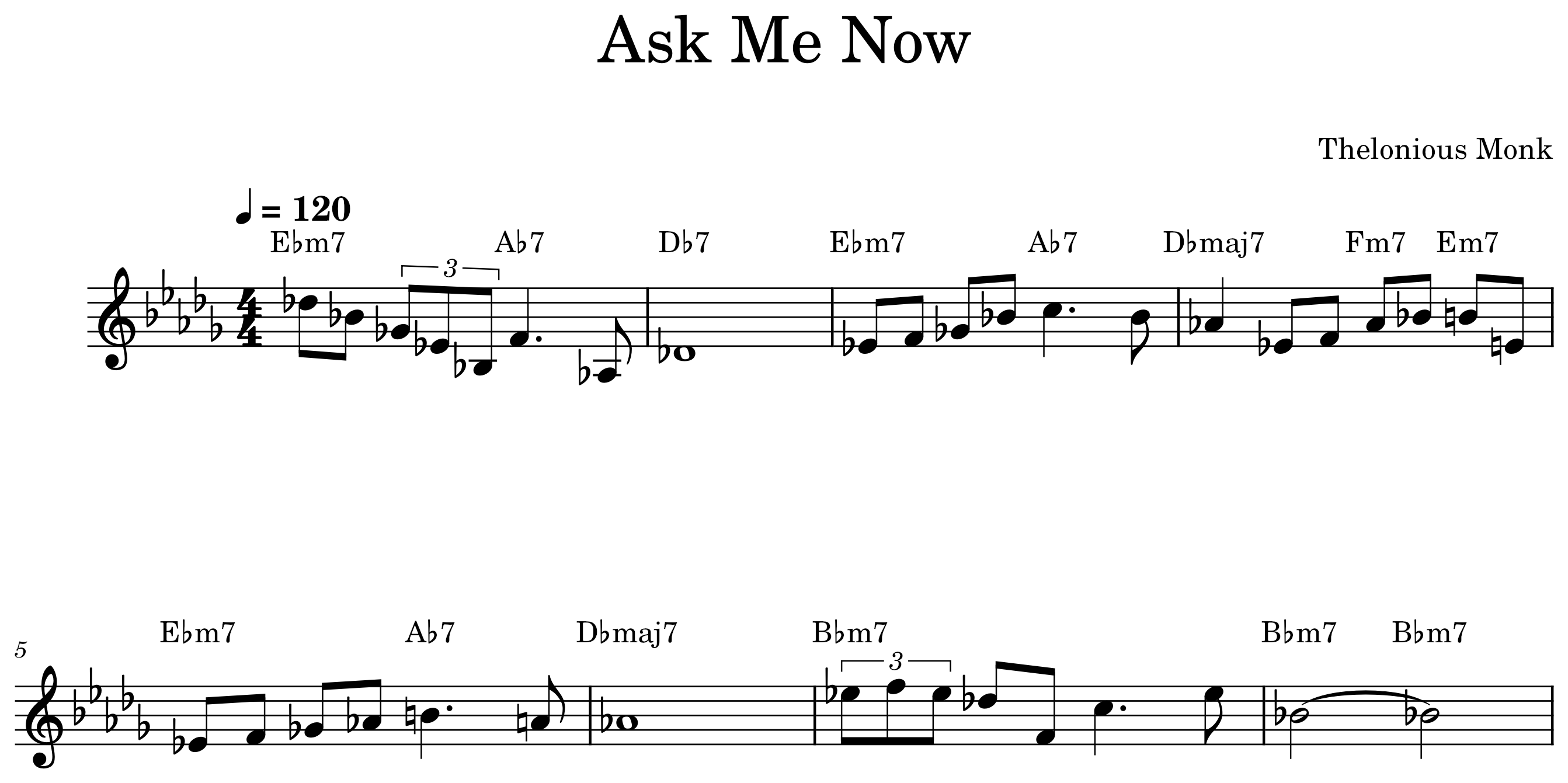
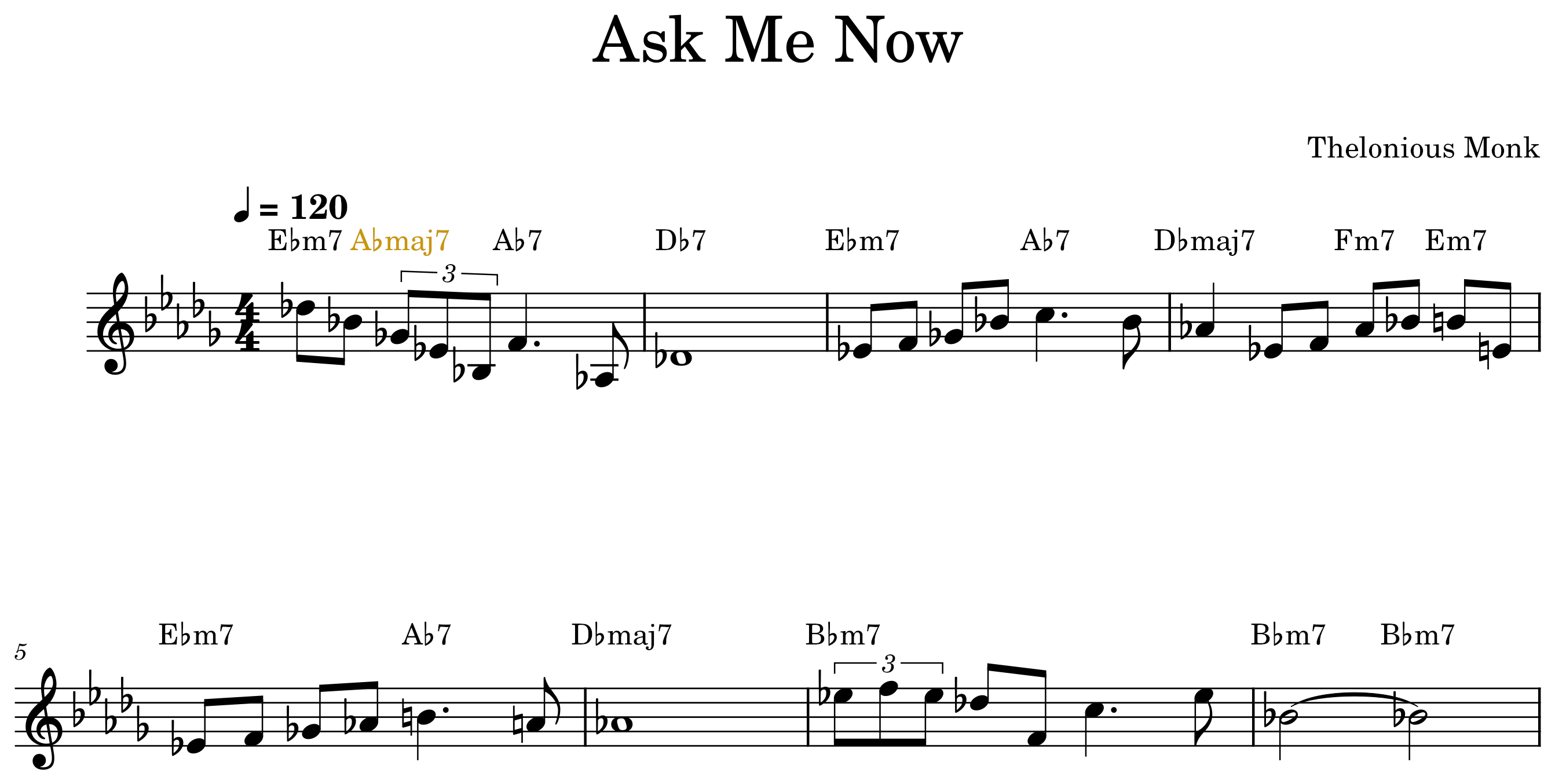
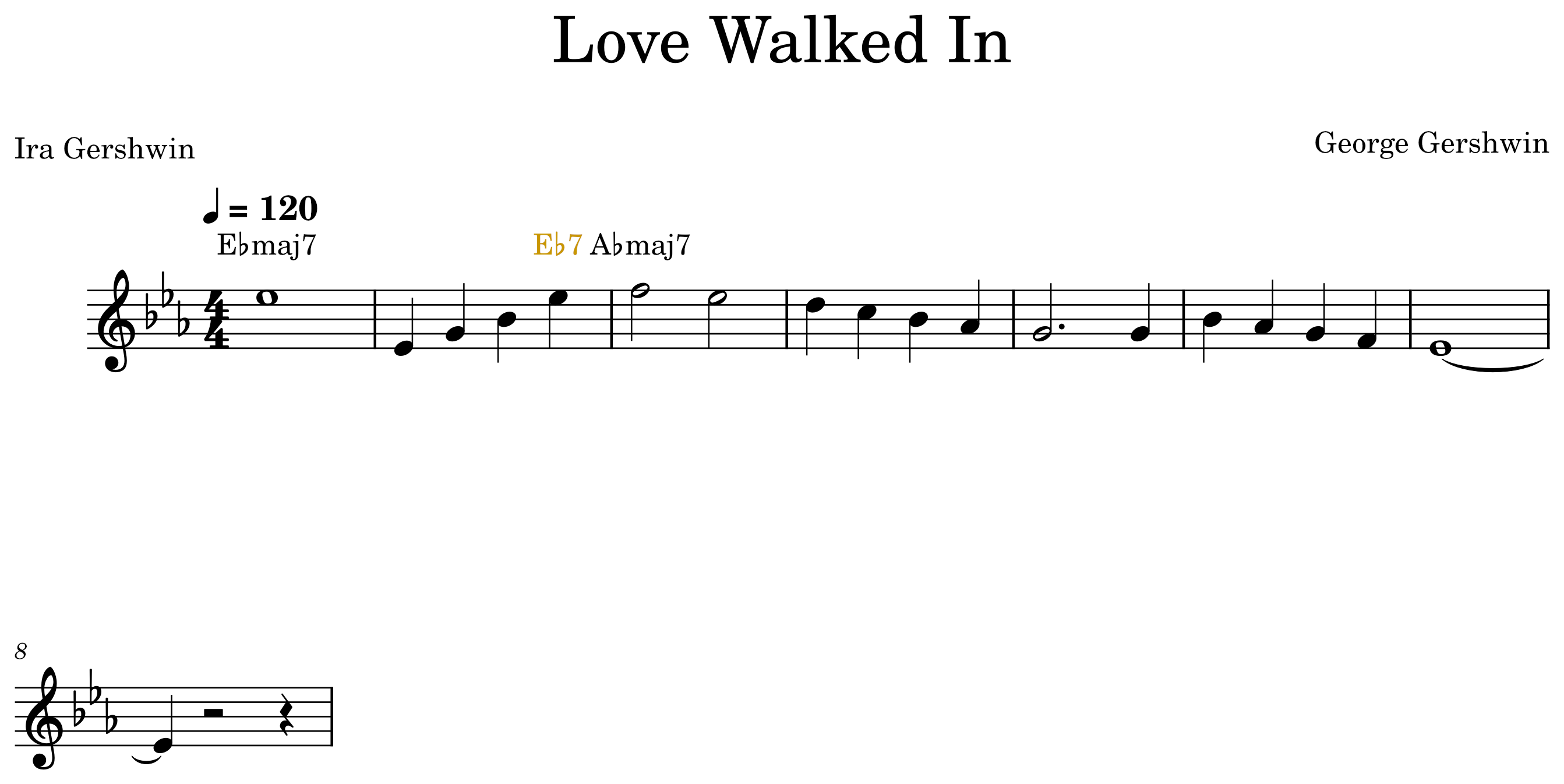
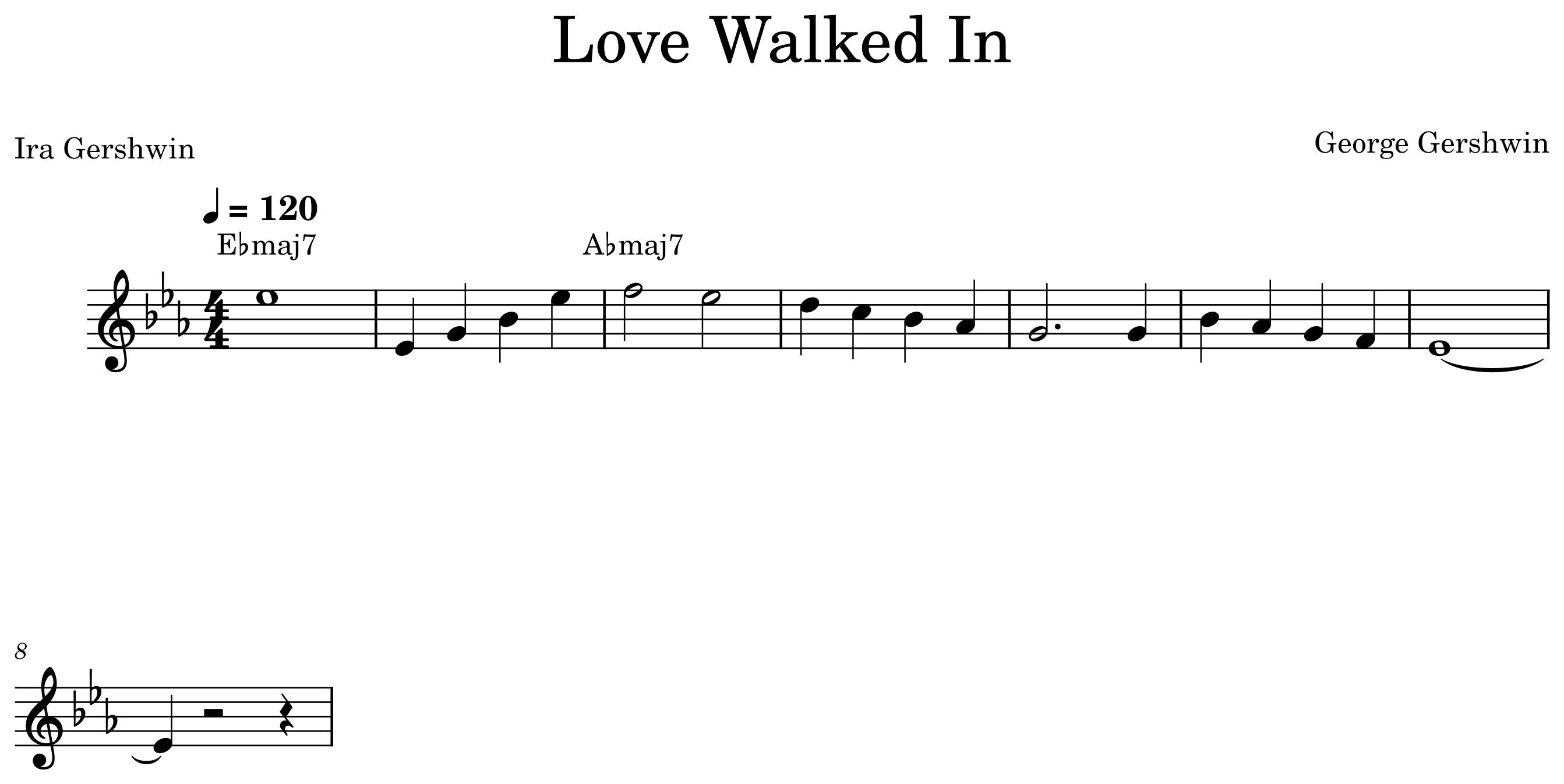
Applied edit — bar 1, beat 2: insert Ab:maj7
REPLACE (24) — swaps a chord for another
Same-function recoloring
Functional substitution
tune:
How Deep Is The Ocean
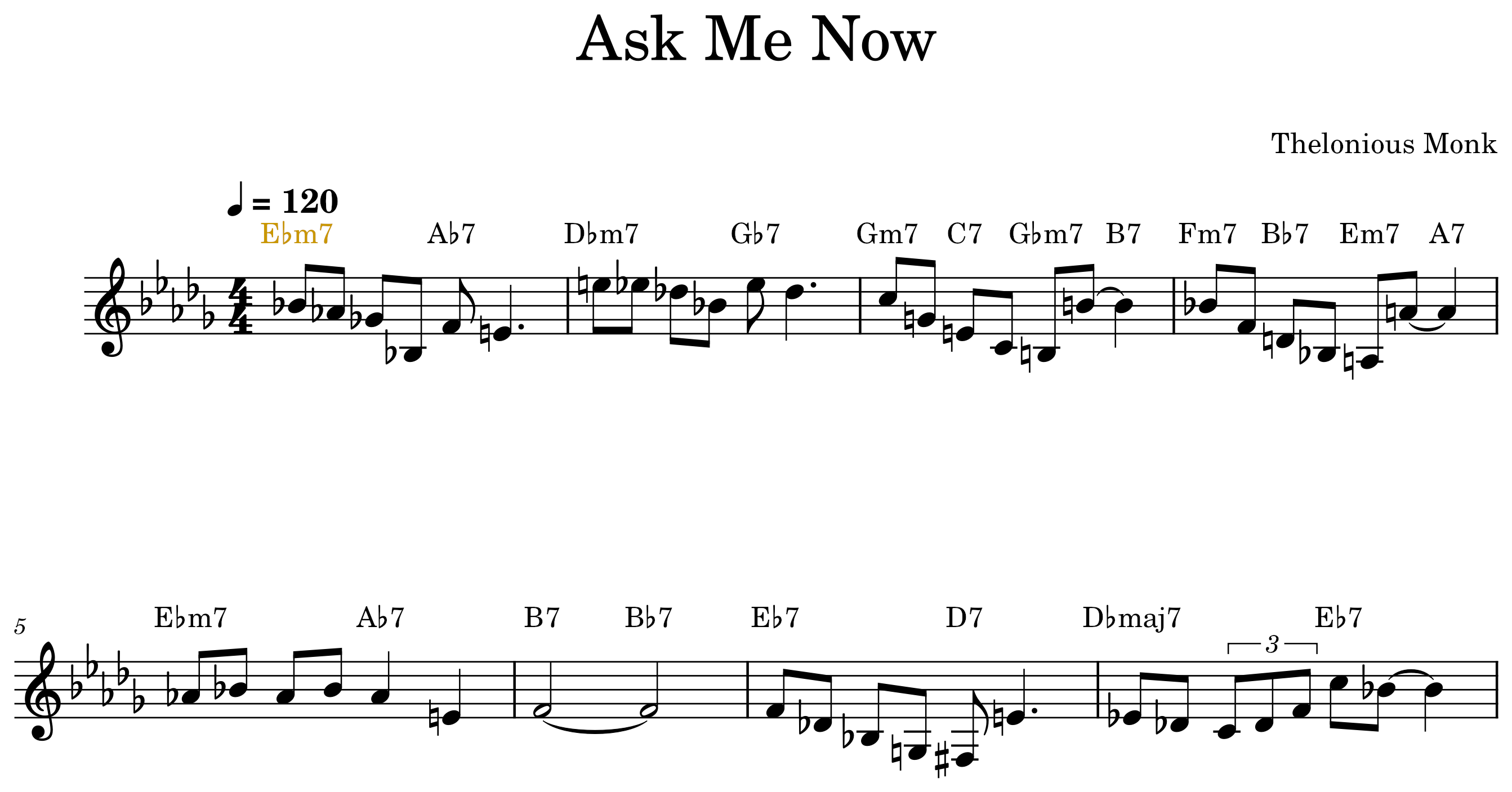
↑ rulesSwap a chord for another with the same harmonic function (Tonic / Subdominant / Dominant) in the key. Major keys demand each degree's diatonic seventh quality; minor keys admit qualities from the natural, harmonic, and melodic minors. The blues tonic dominant (I7) is never treated as a swappable tonic.
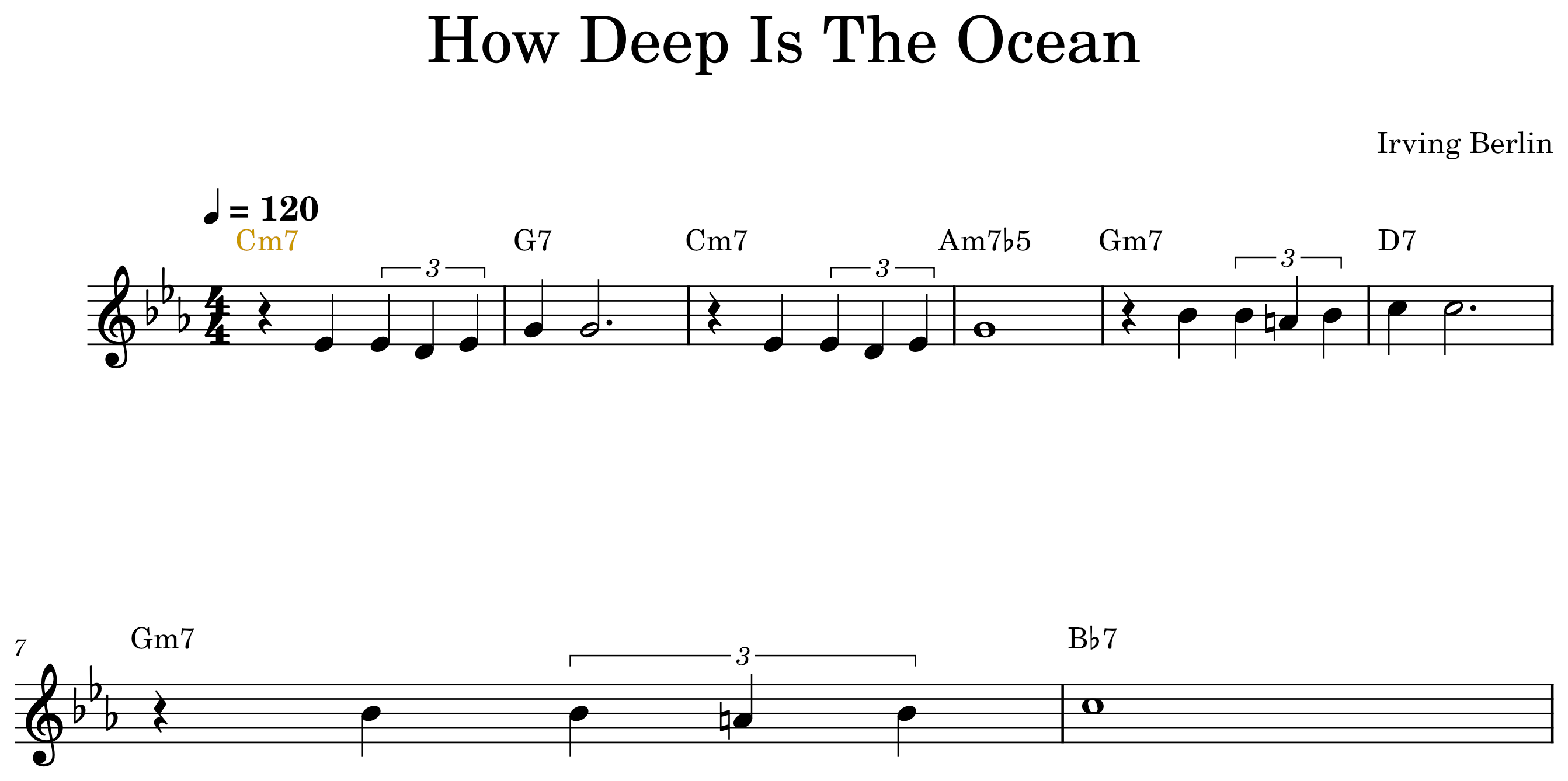
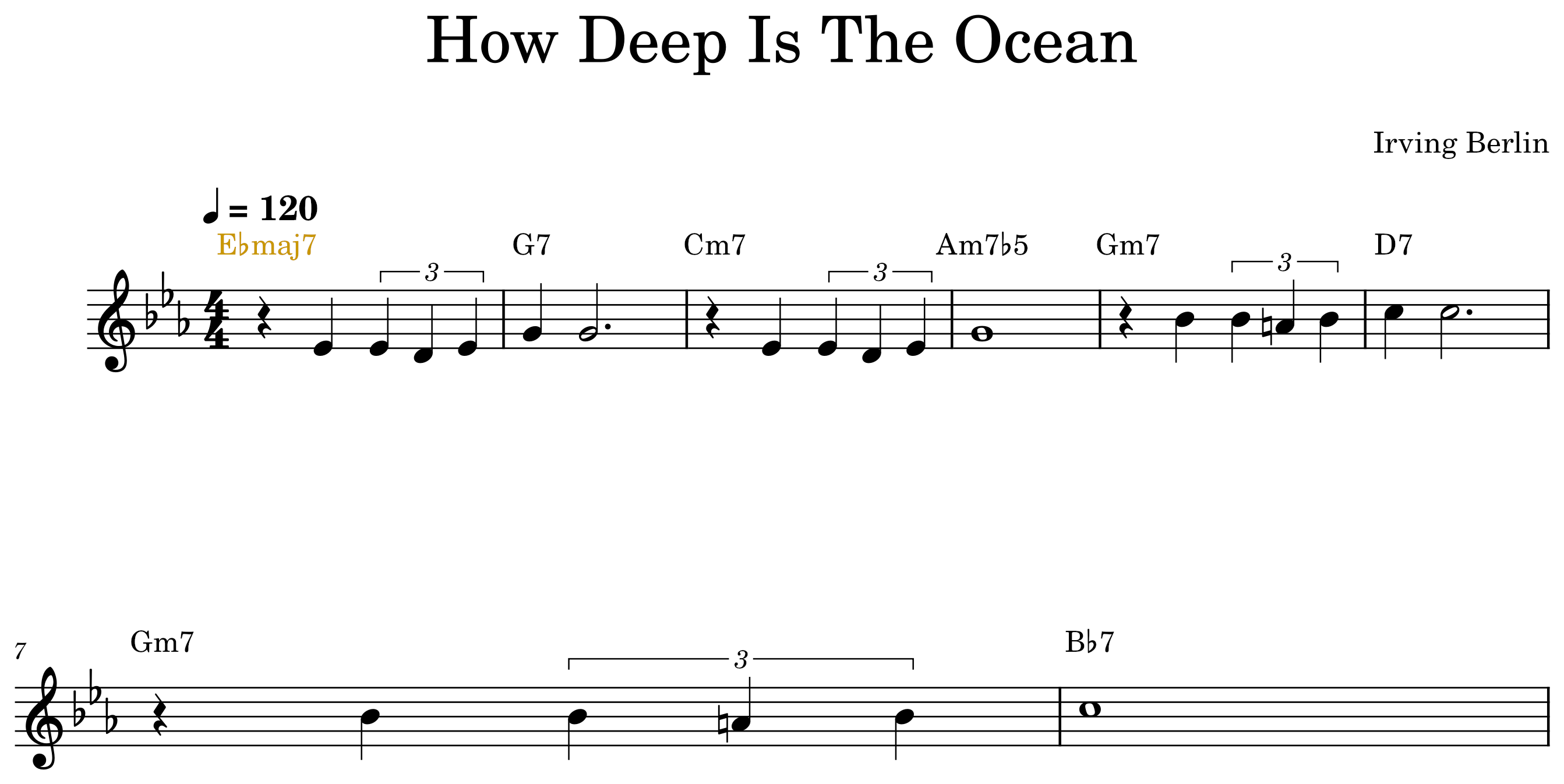
Applied edit — bar 1, beat 1: replace C:min7 with Eb:maj7
Dominant machinery
Backdoor dominant
Place a dominant a whole step below a major-family tonic target (bVII7 -> I; full form Fm7-Bb7-Cmaj7). Target must carry cadential weight; the major-target restriction is corpus-validated.
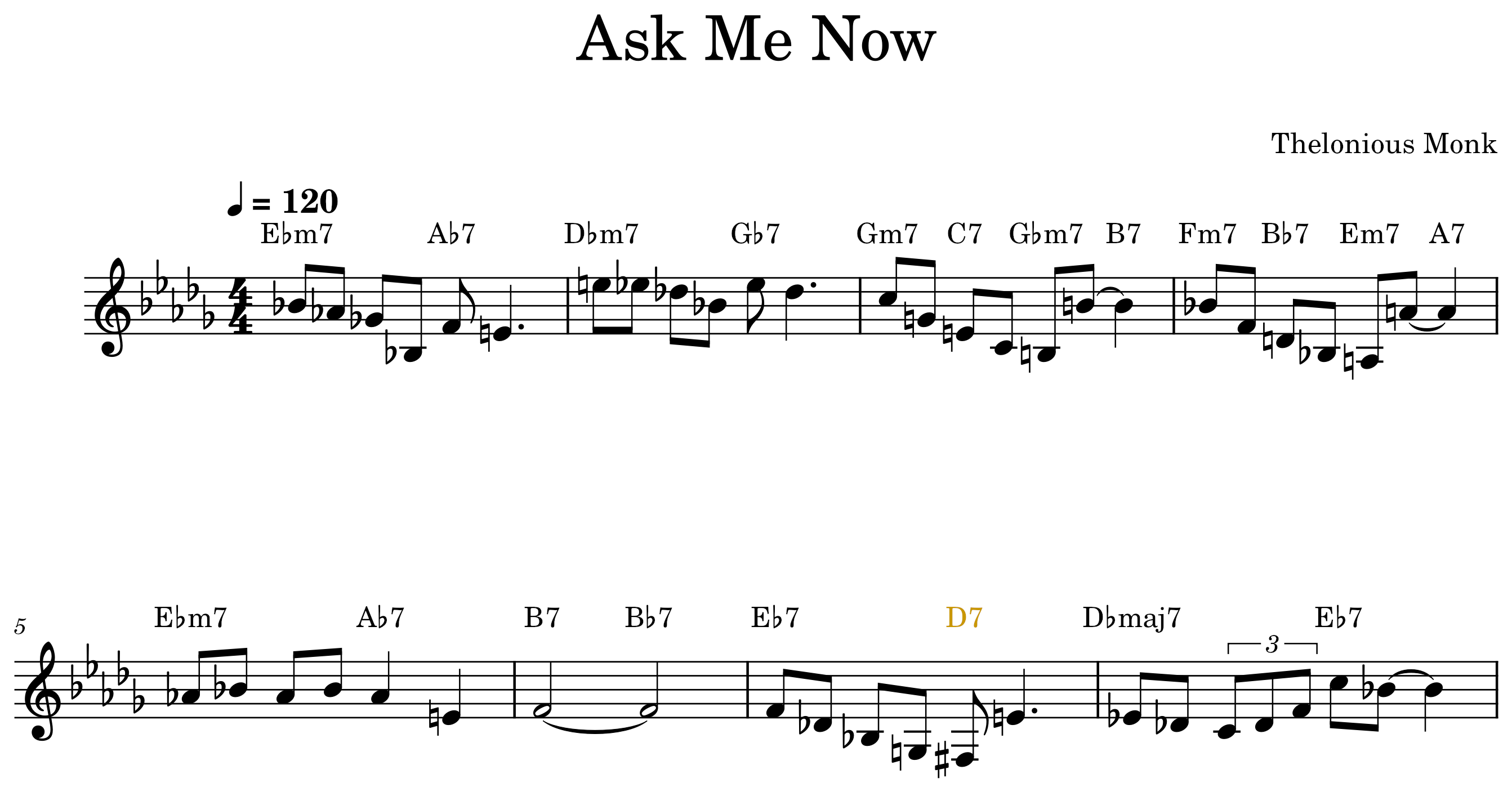
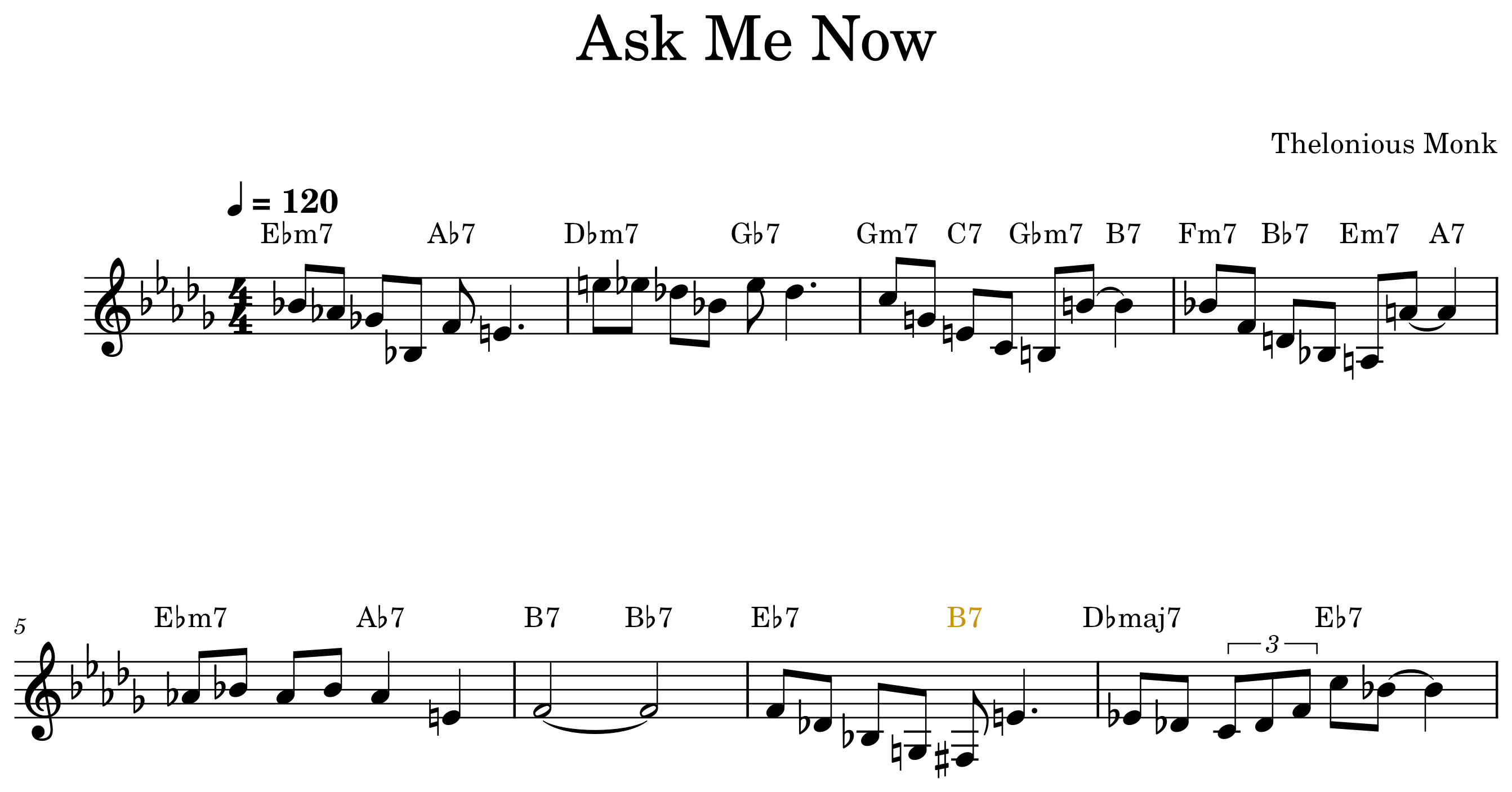
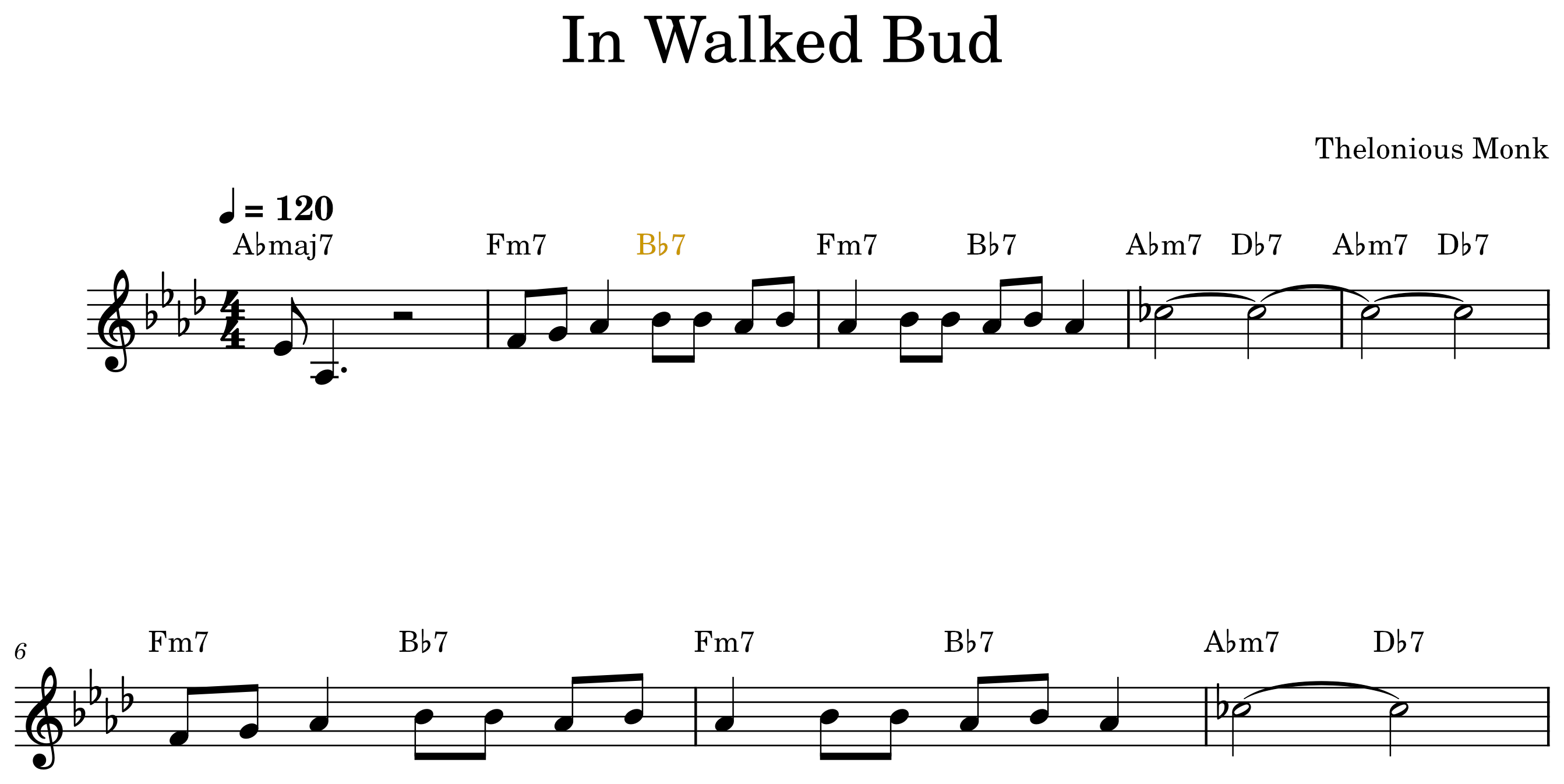
Applied edit — bar 7, beat 3: replace D:7 with B:7
Blues IV7 — quality swap
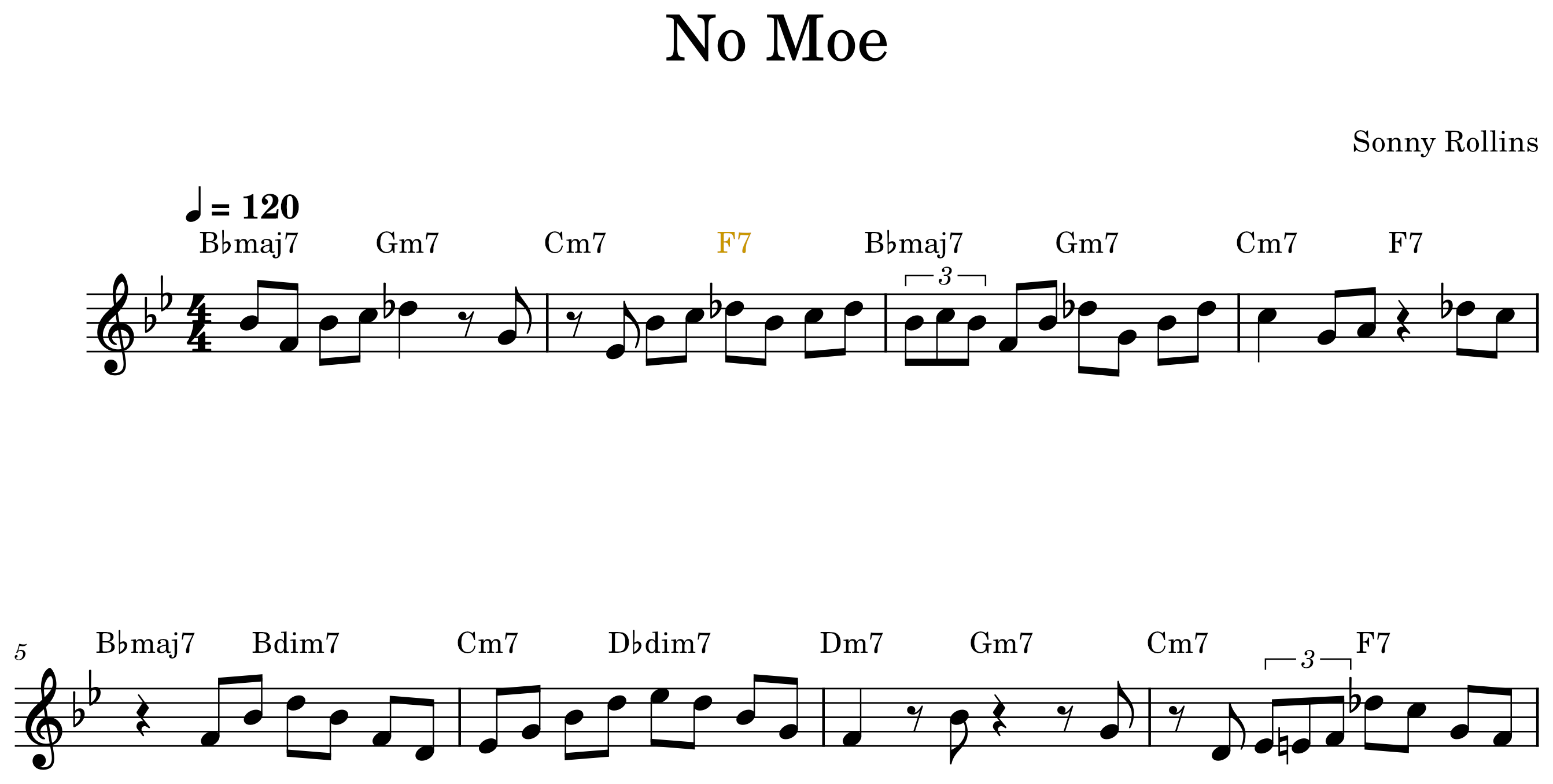
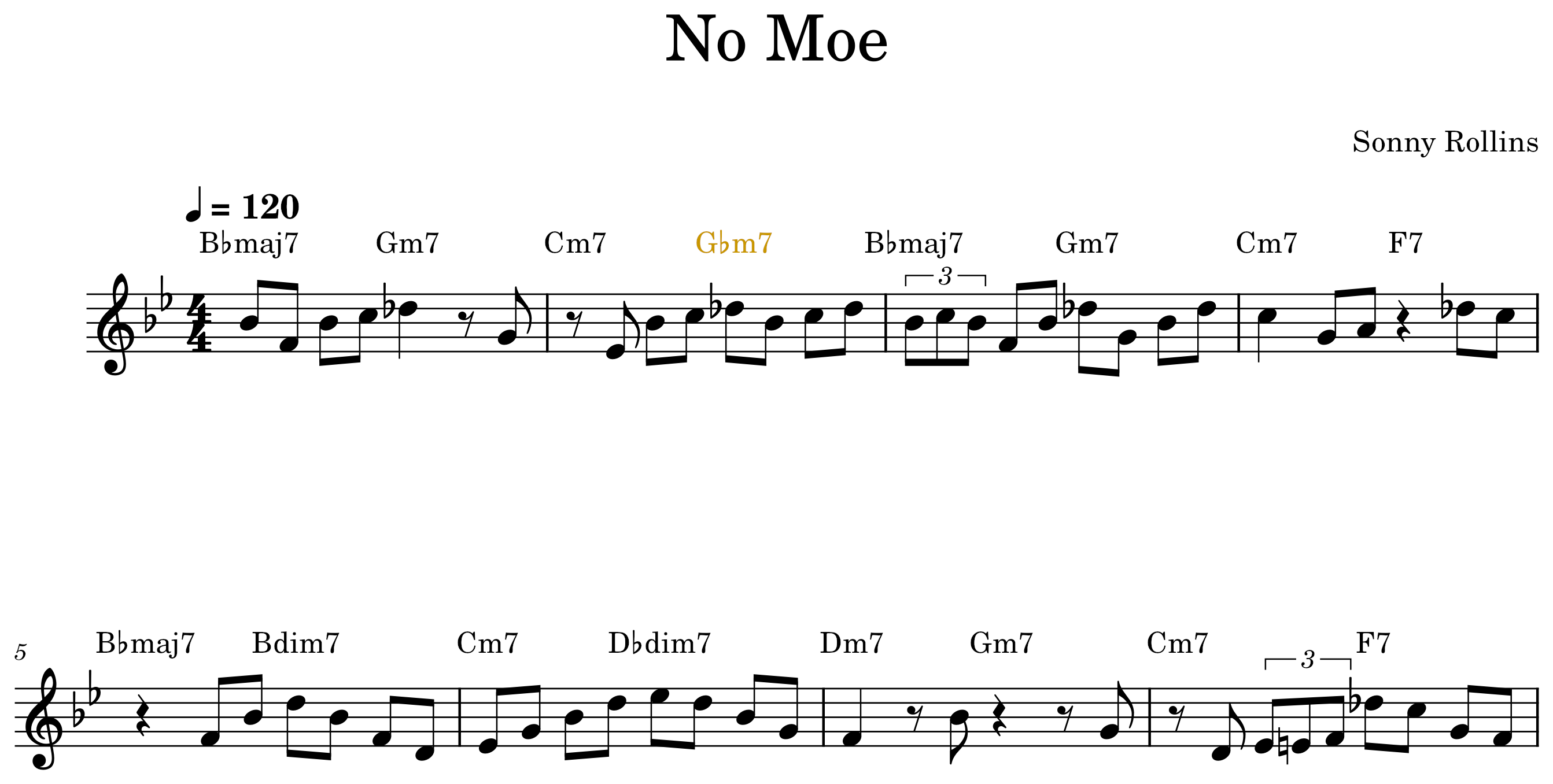
An existing IV chord before a major/minor target takes dominant-7 quality (Fmaj7 -> F7 in C) — the literal blues IV. Weak beats only; never applied to a chord that is already dominant.
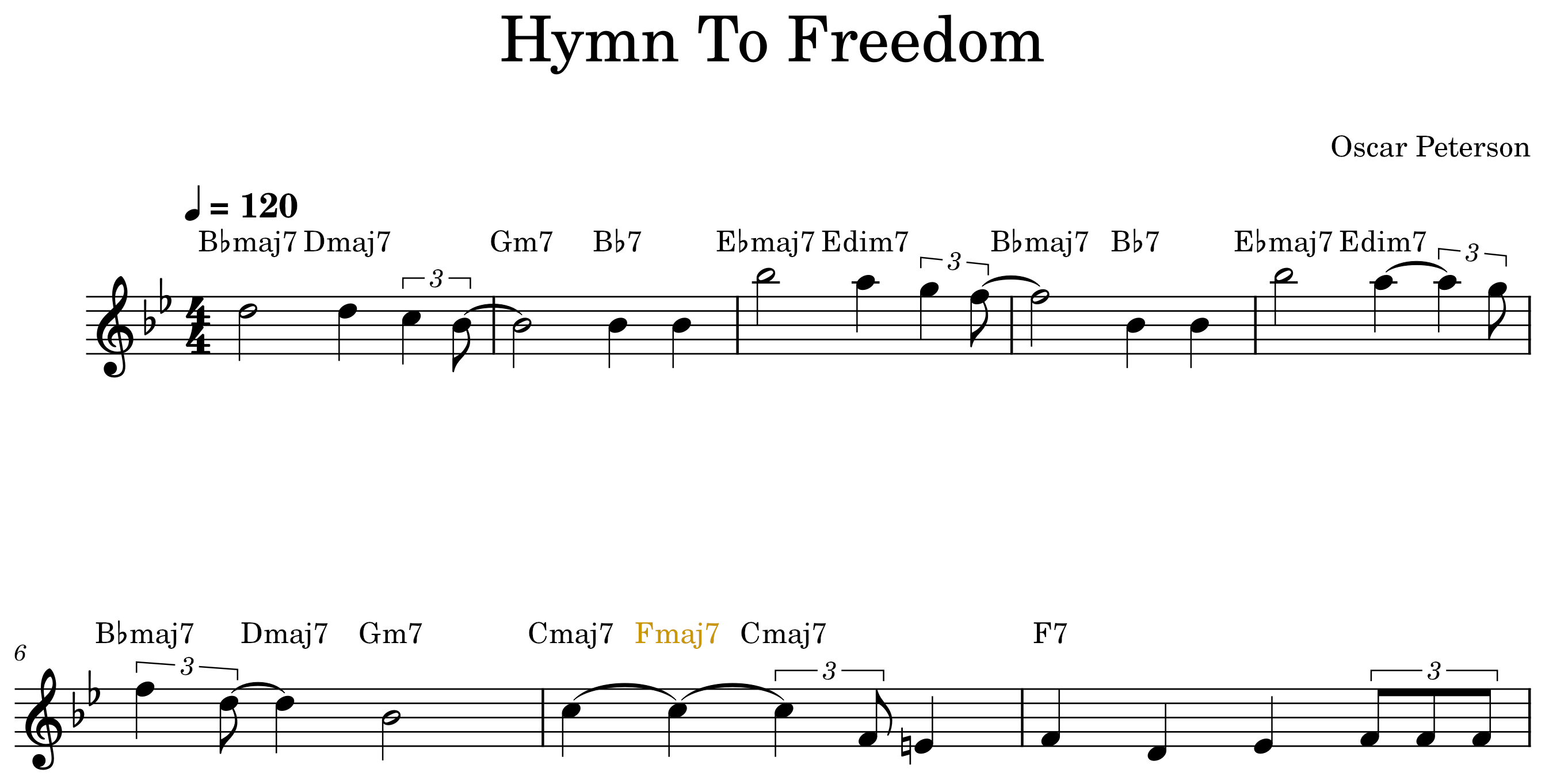
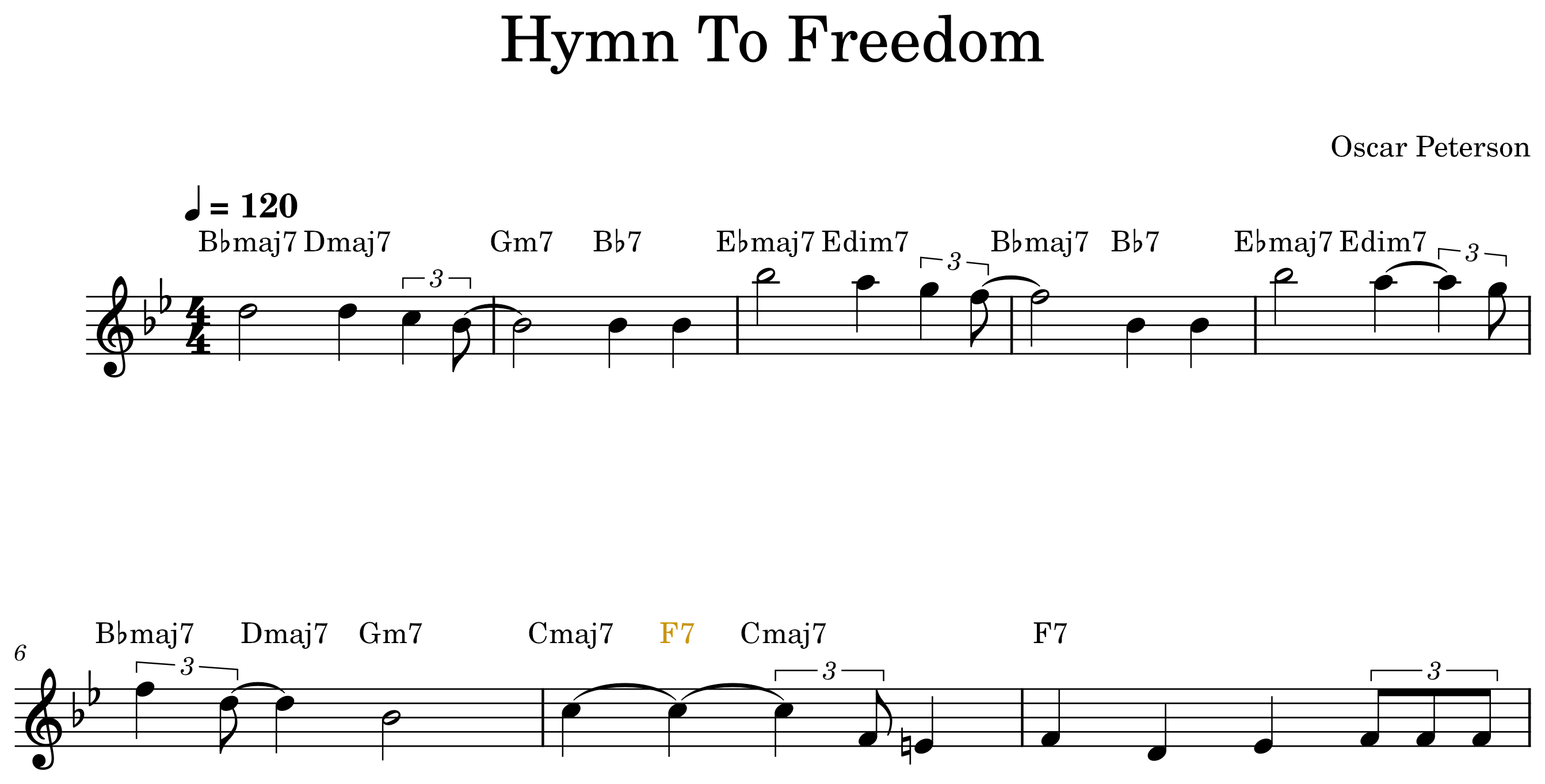
Applied edit — bar 7, beat 2: replace F:maj7 with F:7
Blues IV7 — substitution
Any non-IV, non-dominant chord before a major/minor target is replaced by the target's IV7 (Dm7 -> F7 before Cmaj7). Weak beats only.
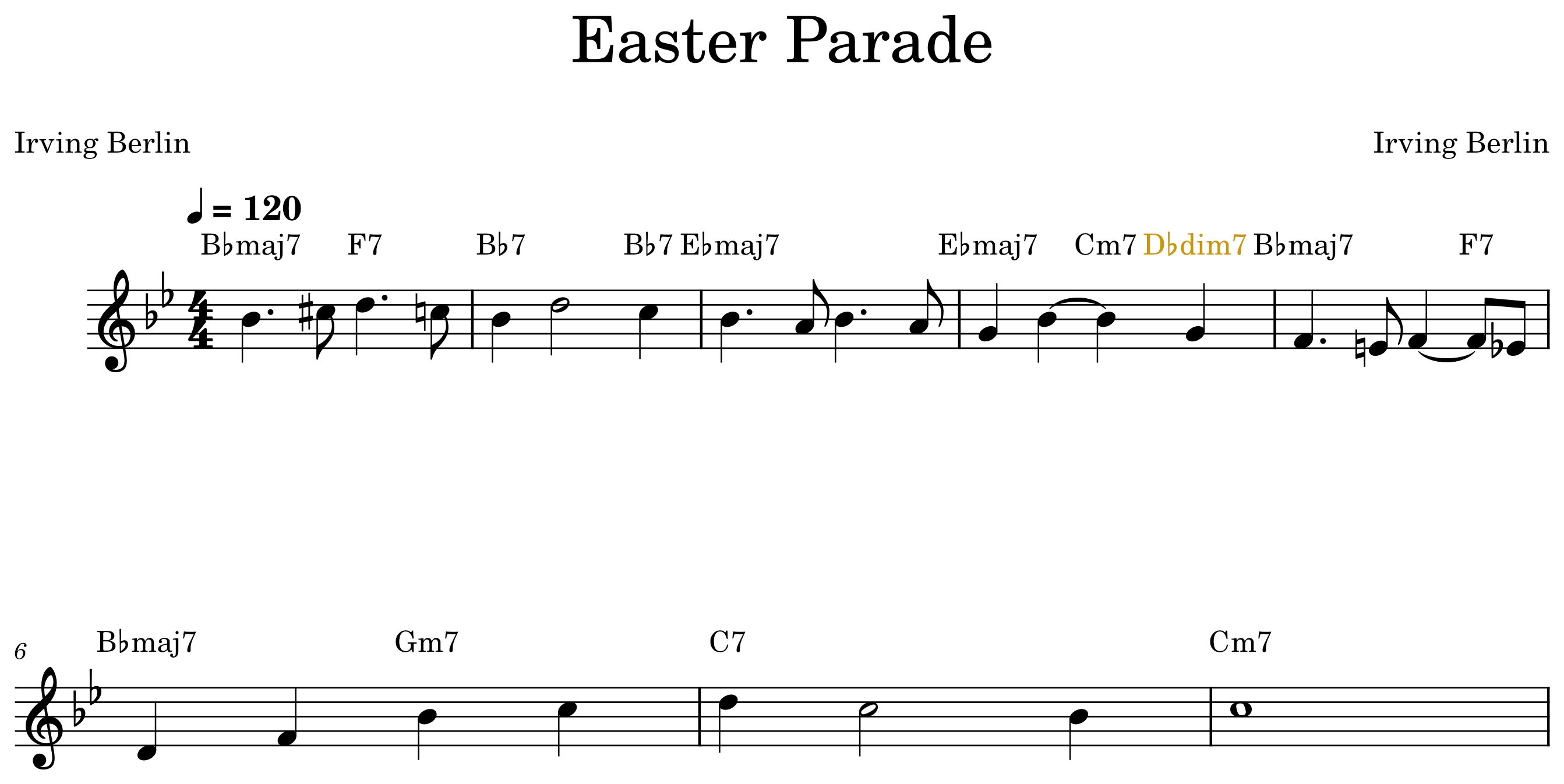
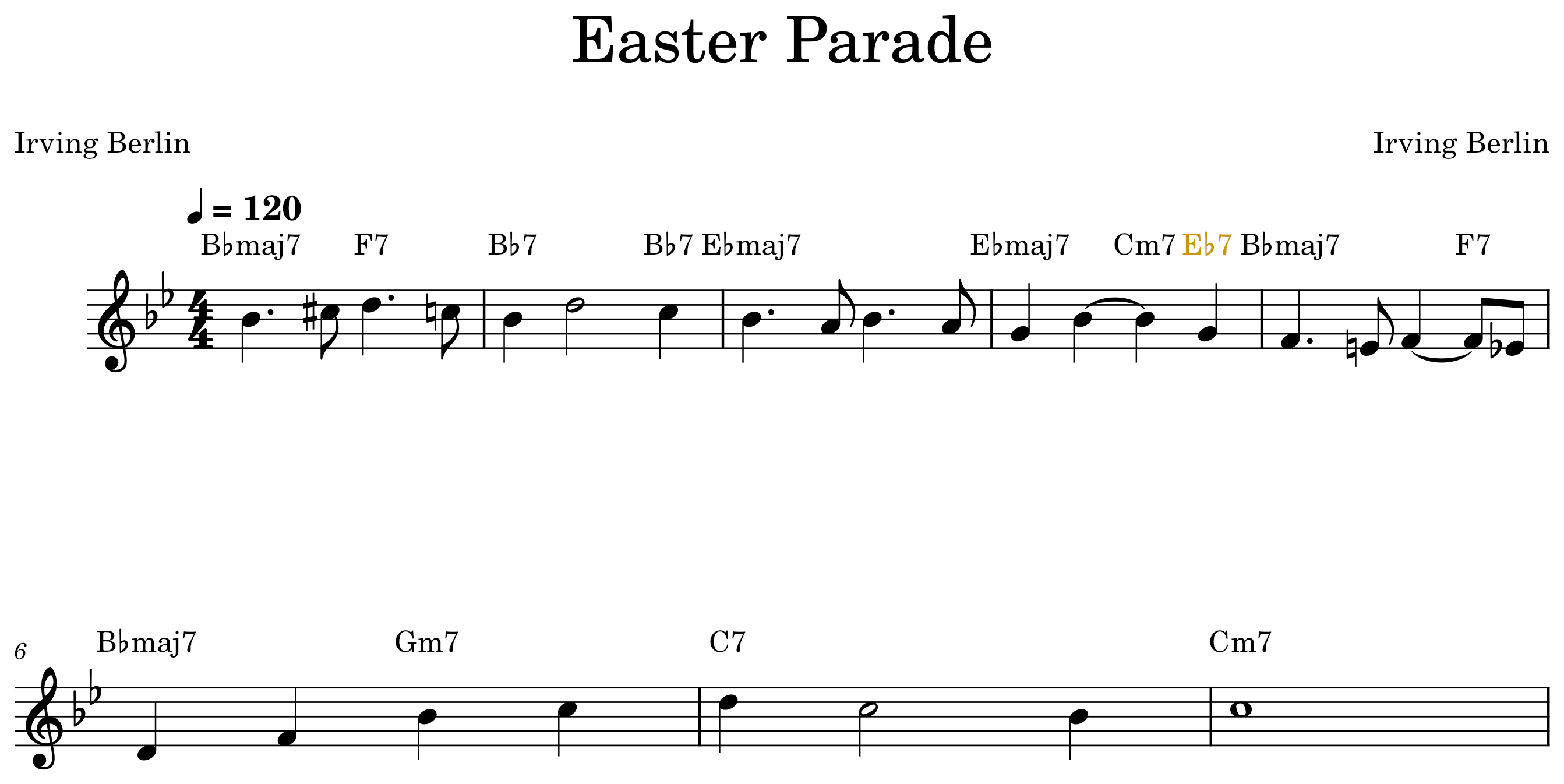
Applied edit — bar 4, beat 4: replace Db:dim7 with Eb:7
Deceptive cadence
Replace the expected resolution after a V: vi in major (V7 -> Am7 in C), bVI in minor (V7 -> Abmaj7 in C minor).
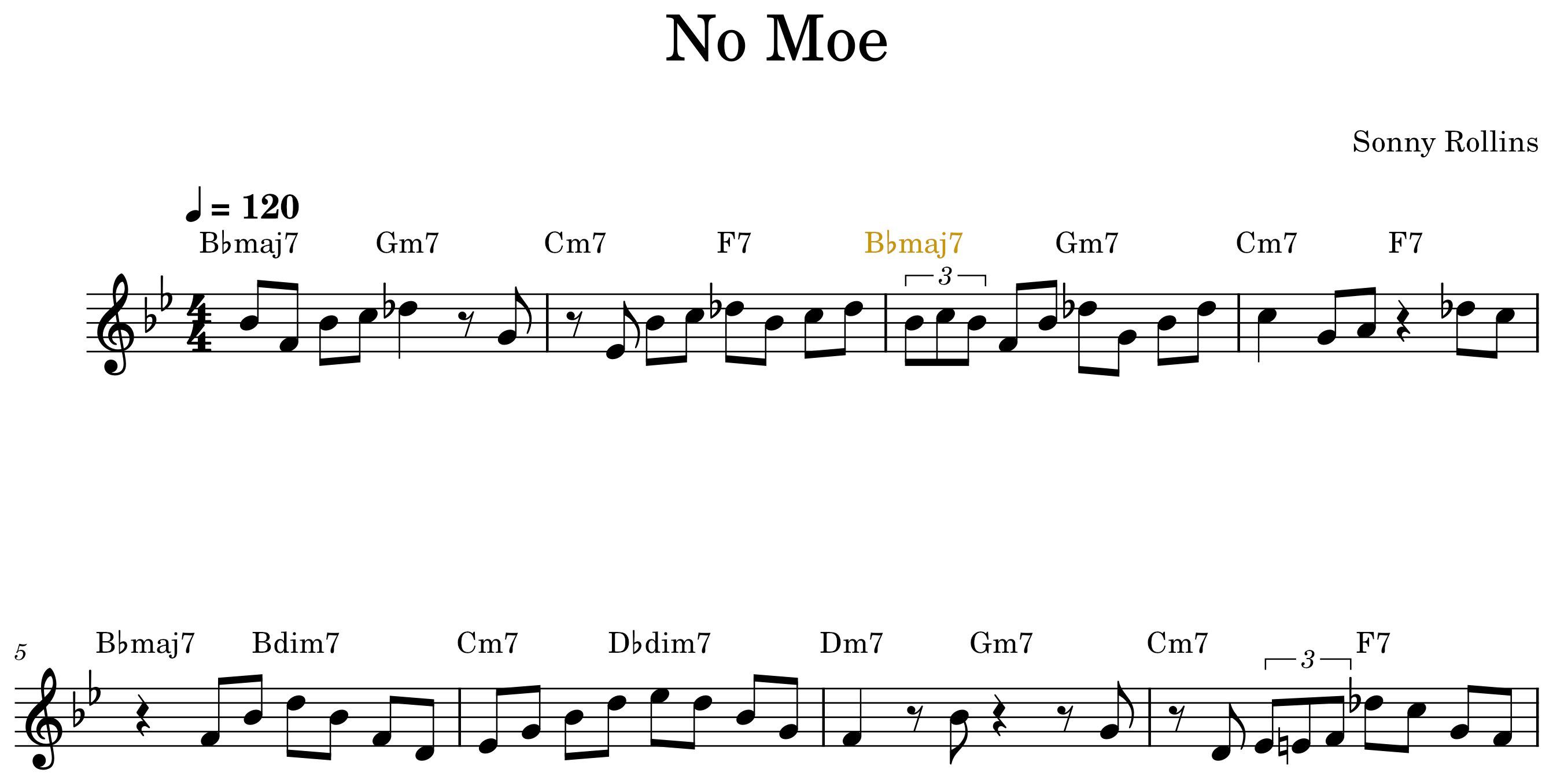
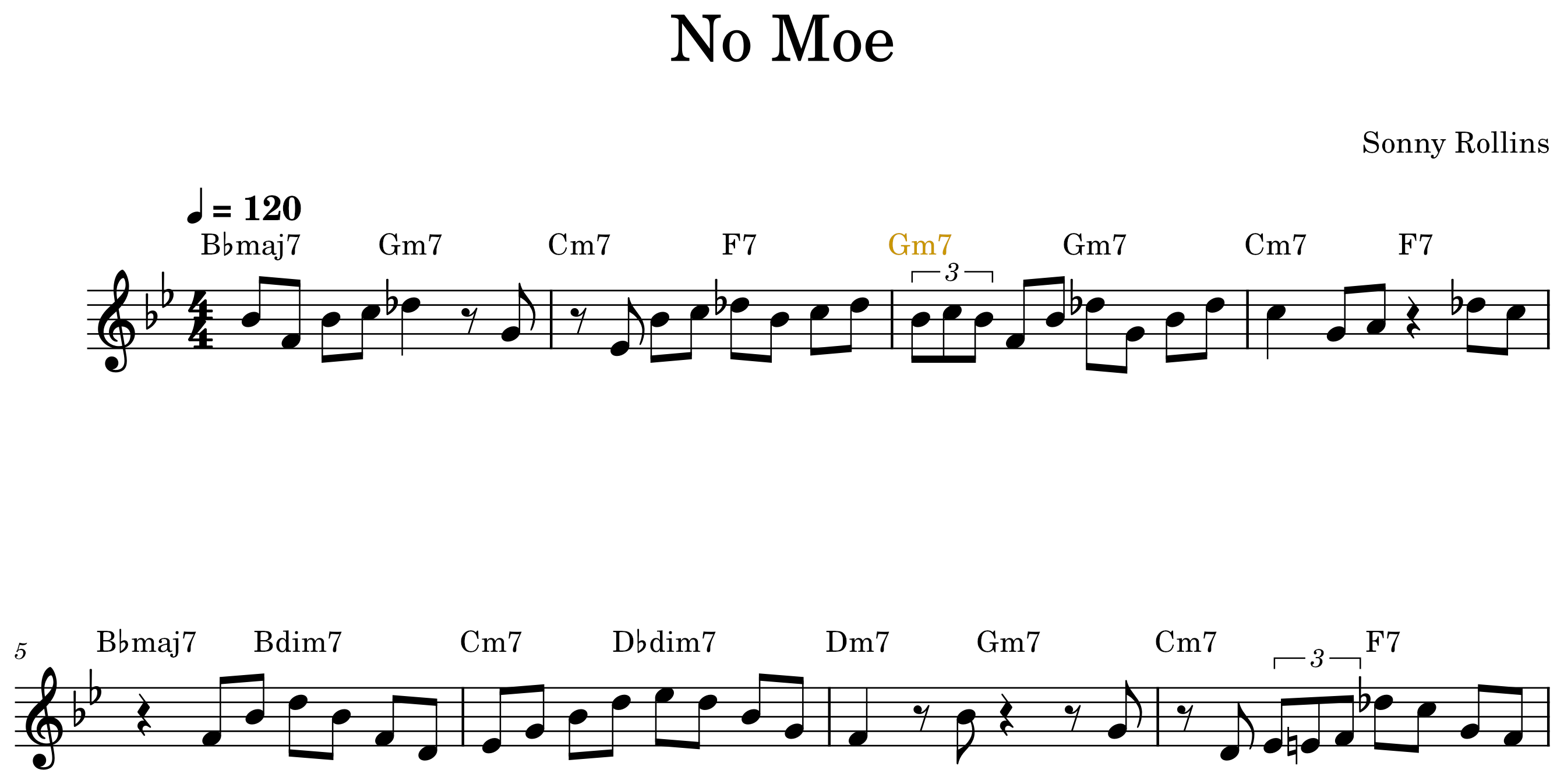
Applied edit — bar 3, beat 1: replace Bb:maj7 with G:min7
Related-ii backfill (replace)
Same trigger as the chaining rule, but places the minor seventh at that root instead of the dominant — the alternating ii/V colour of extended cycles (Am7-D7-Gm7-C7). The policy chooses between the two.
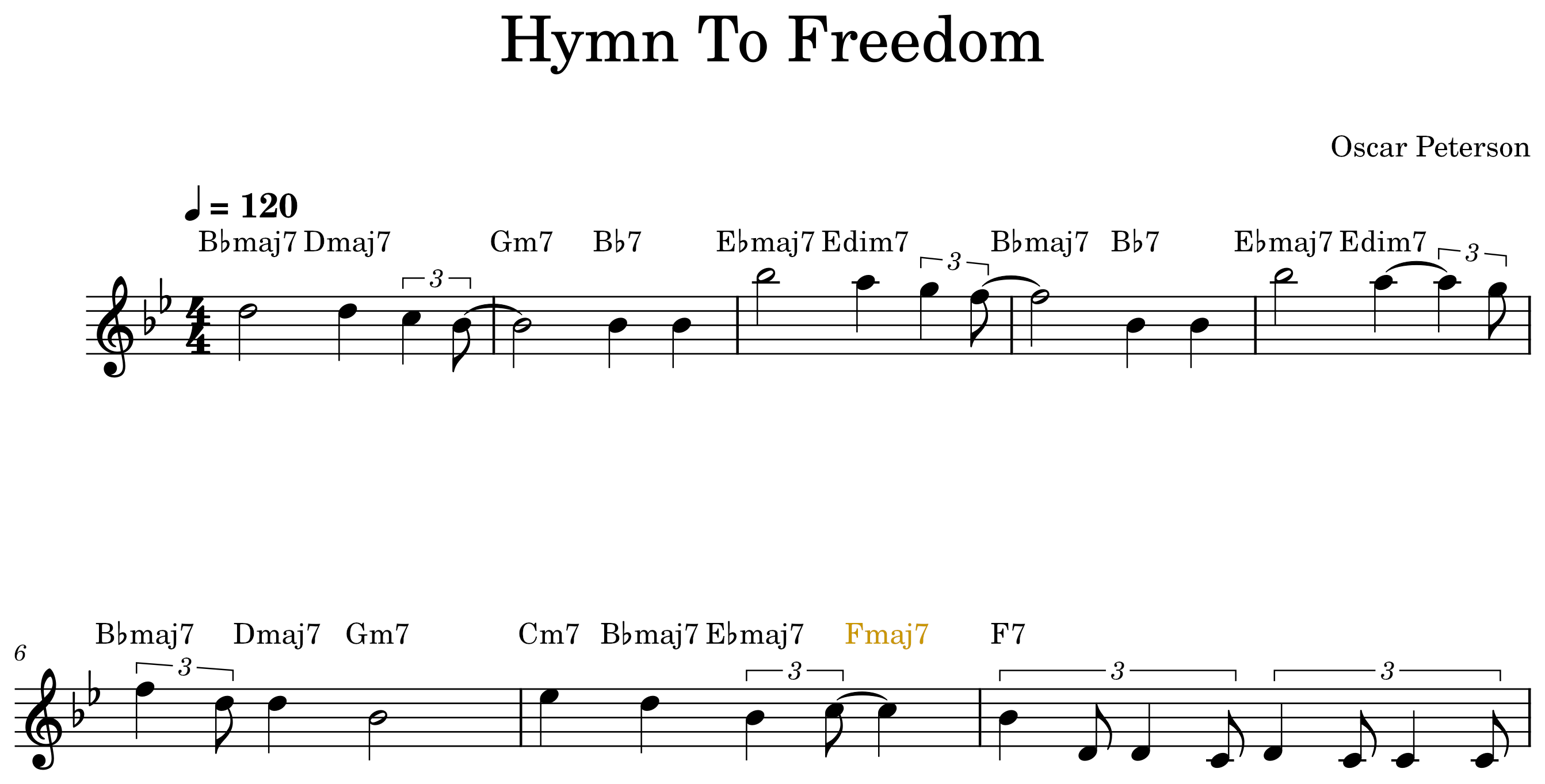
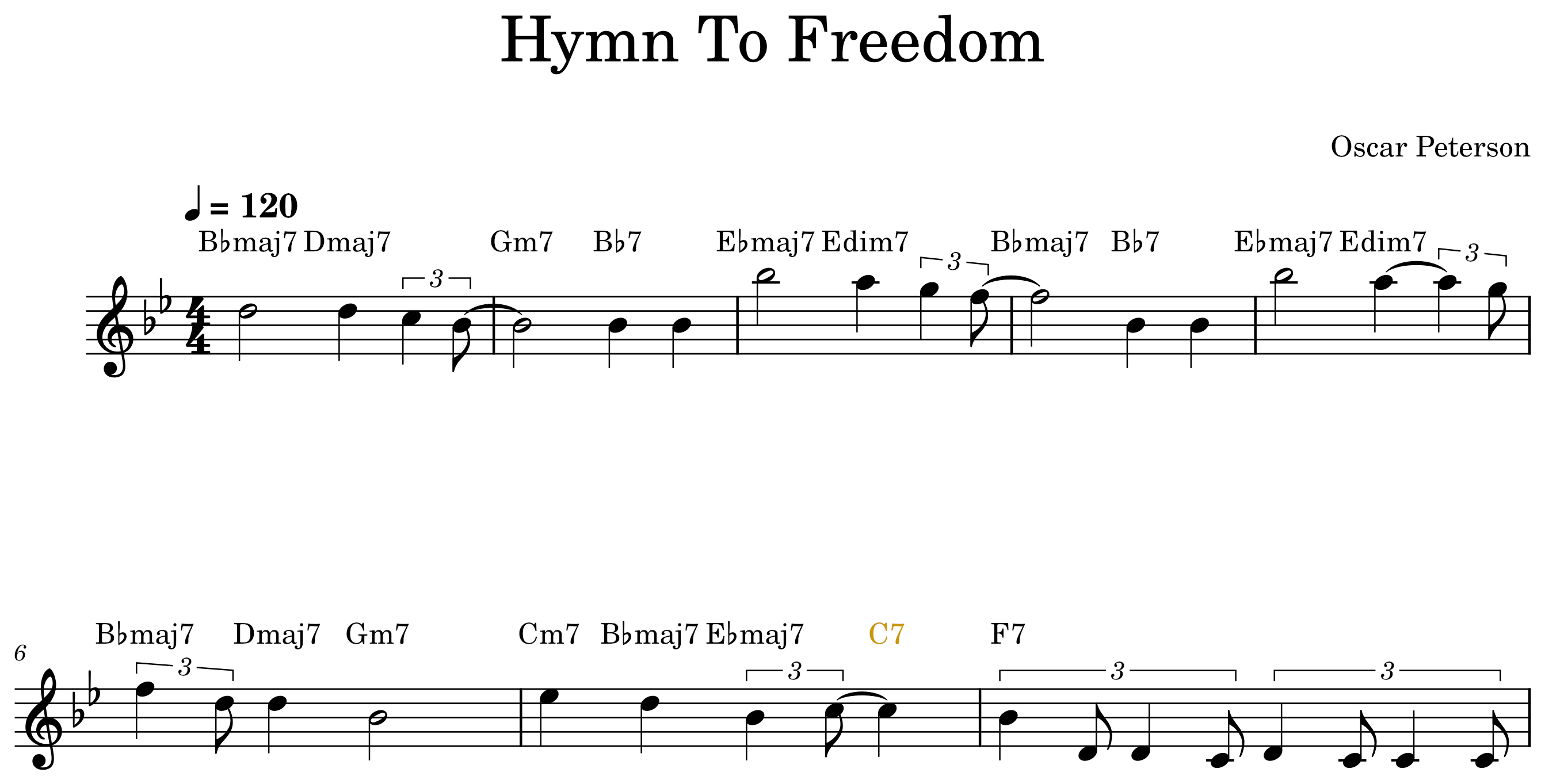
Applied edit — bar 7, beat 4: replace F:maj7 with C:min7
Secondary-dominant chaining (replace)
Replace a non-dominant chord with the dominant a fifth above the following dominant. Weak beats only; never replaces an existing dominant. Successive applications unroll a full turnaround (E7-A7-D7-G7-C).
Applied edit — bar 7, beat 4: replace F:maj7 with C:7
Tritone substitution
Replace a dominant with the dominant a tritone away — the two chords share their guide-tone tritone (3rd & 7th). Requires at least half a bar of cadential weight.
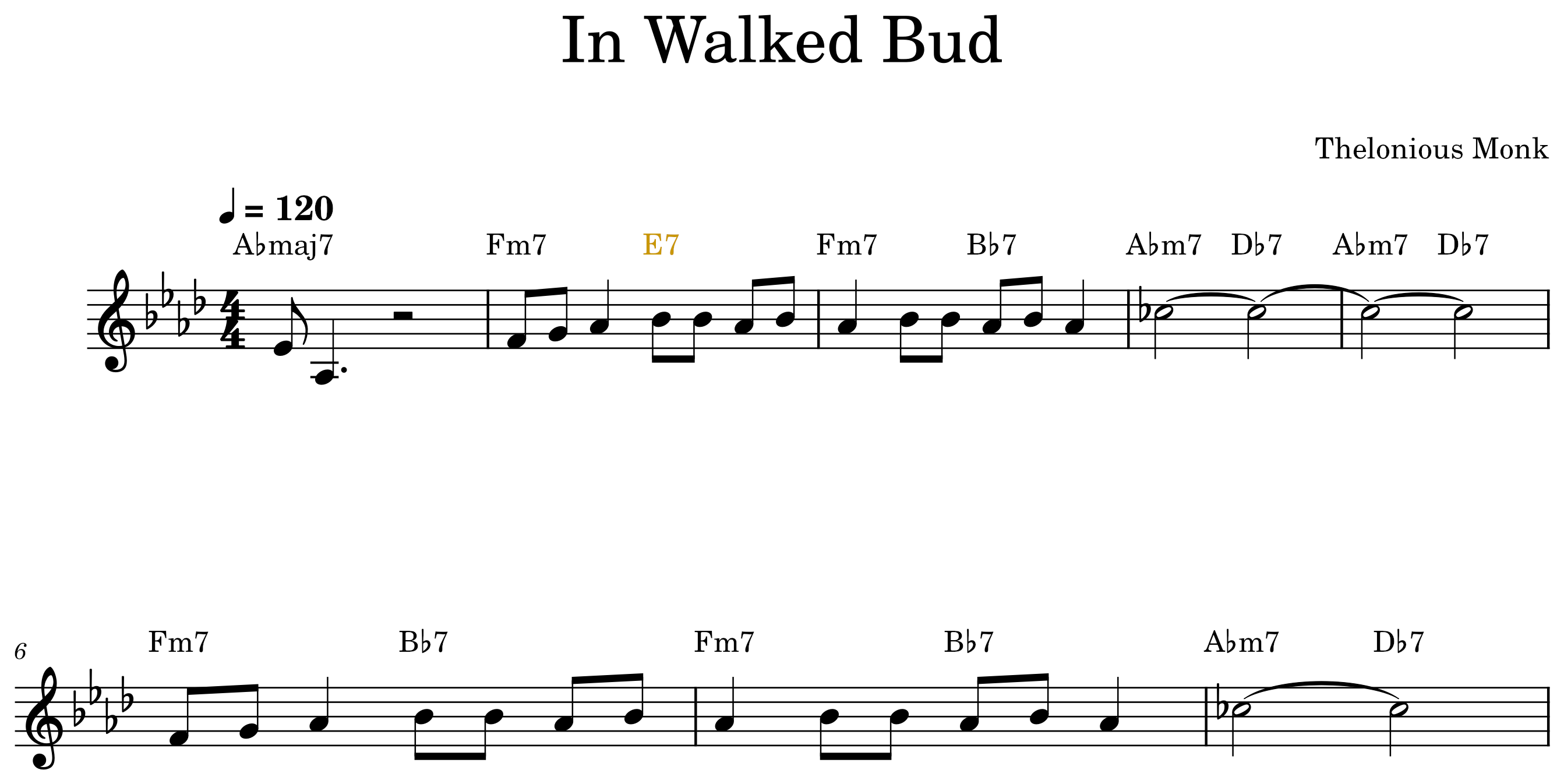
Applied edit — bar 2, beat 3: replace Bb:7 with E:7
ii-for-V swap
Replace a dominant with its own related ii (minor or half-diminished, a fourth below) — the ii/V interchangeability move applied to the chord itself.
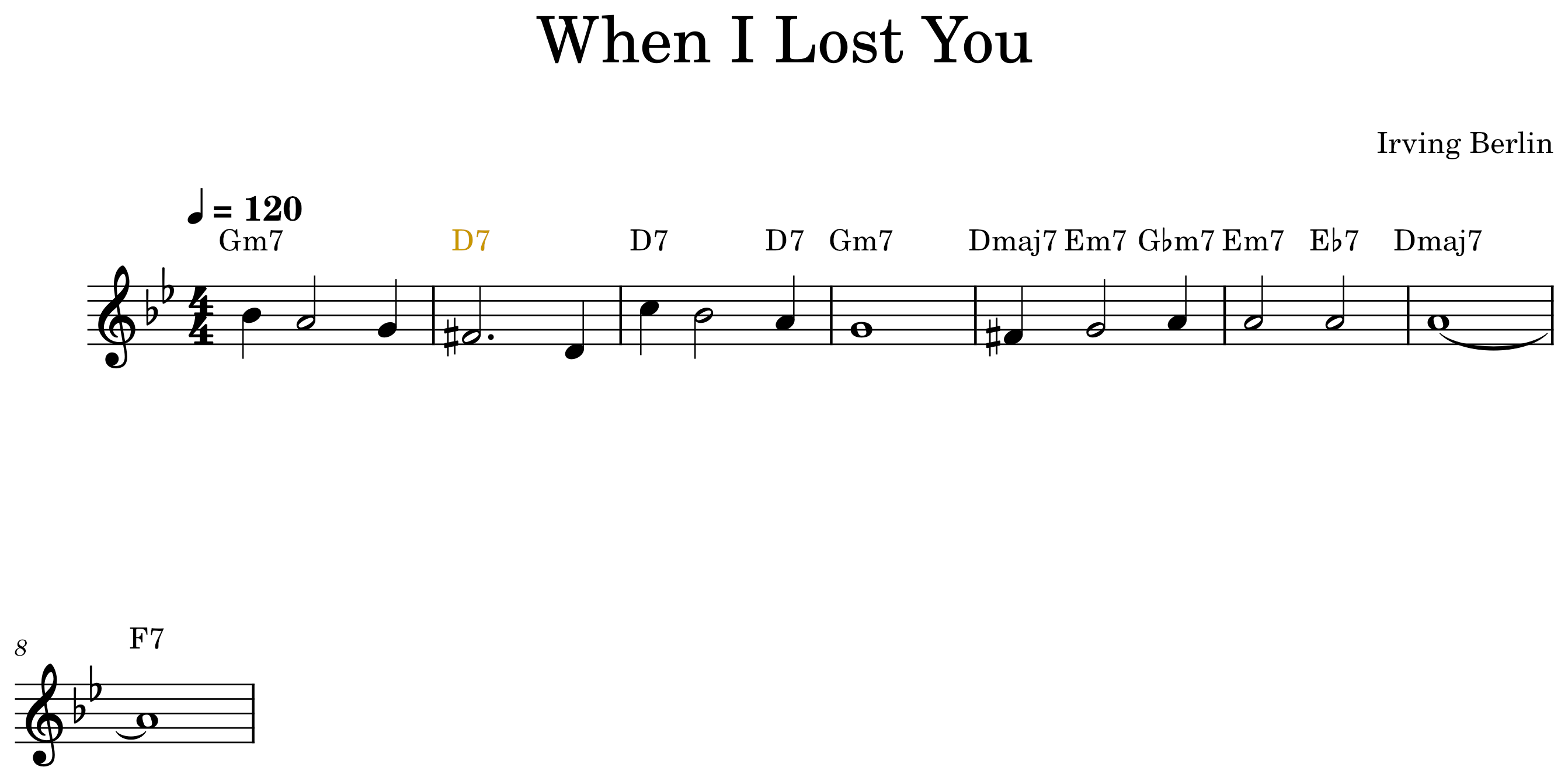
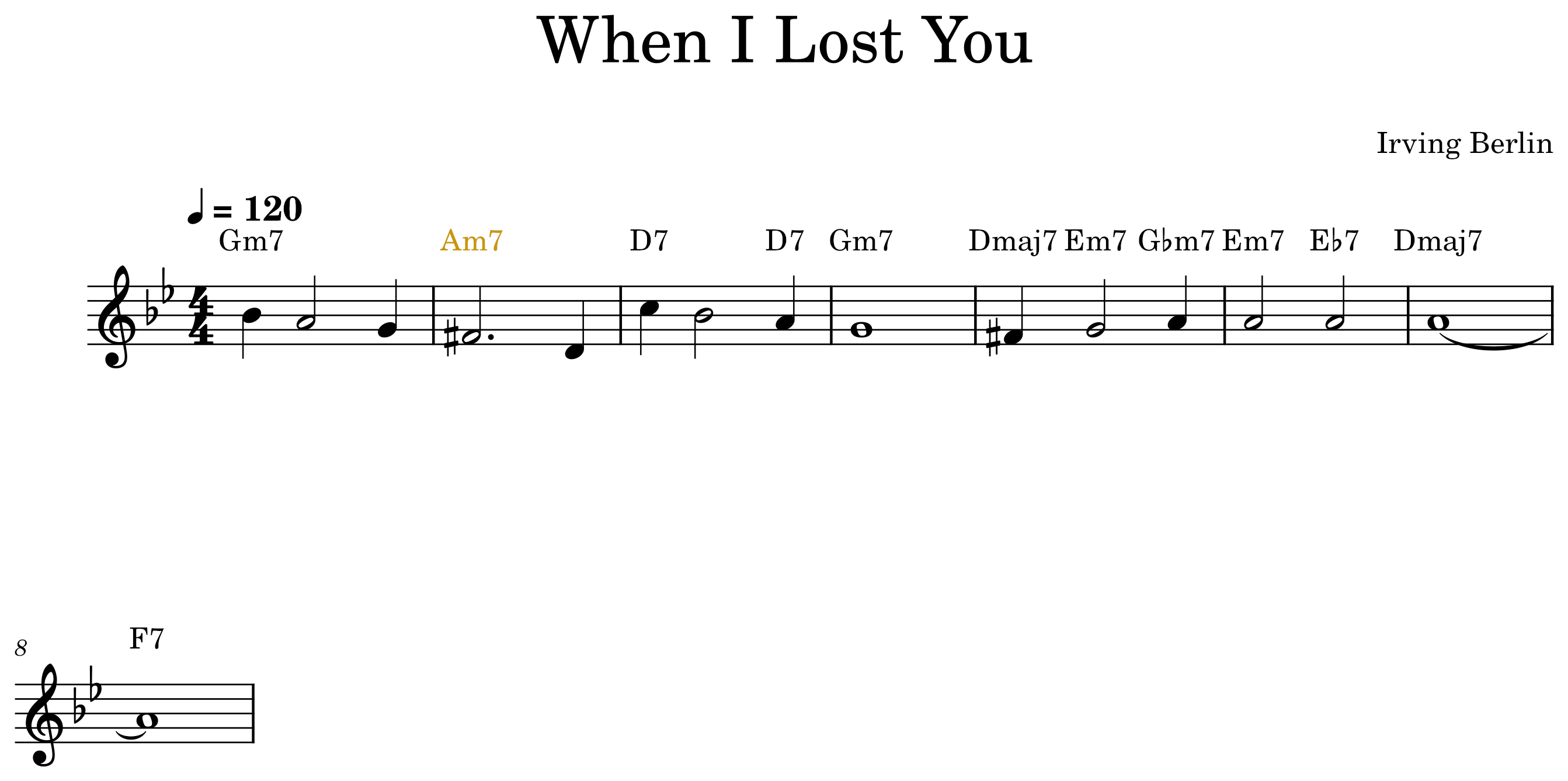
Applied edit — bar 2, beat 1: replace D:7 with A:min7
Diminished usage
Common-tone diminished also inserts
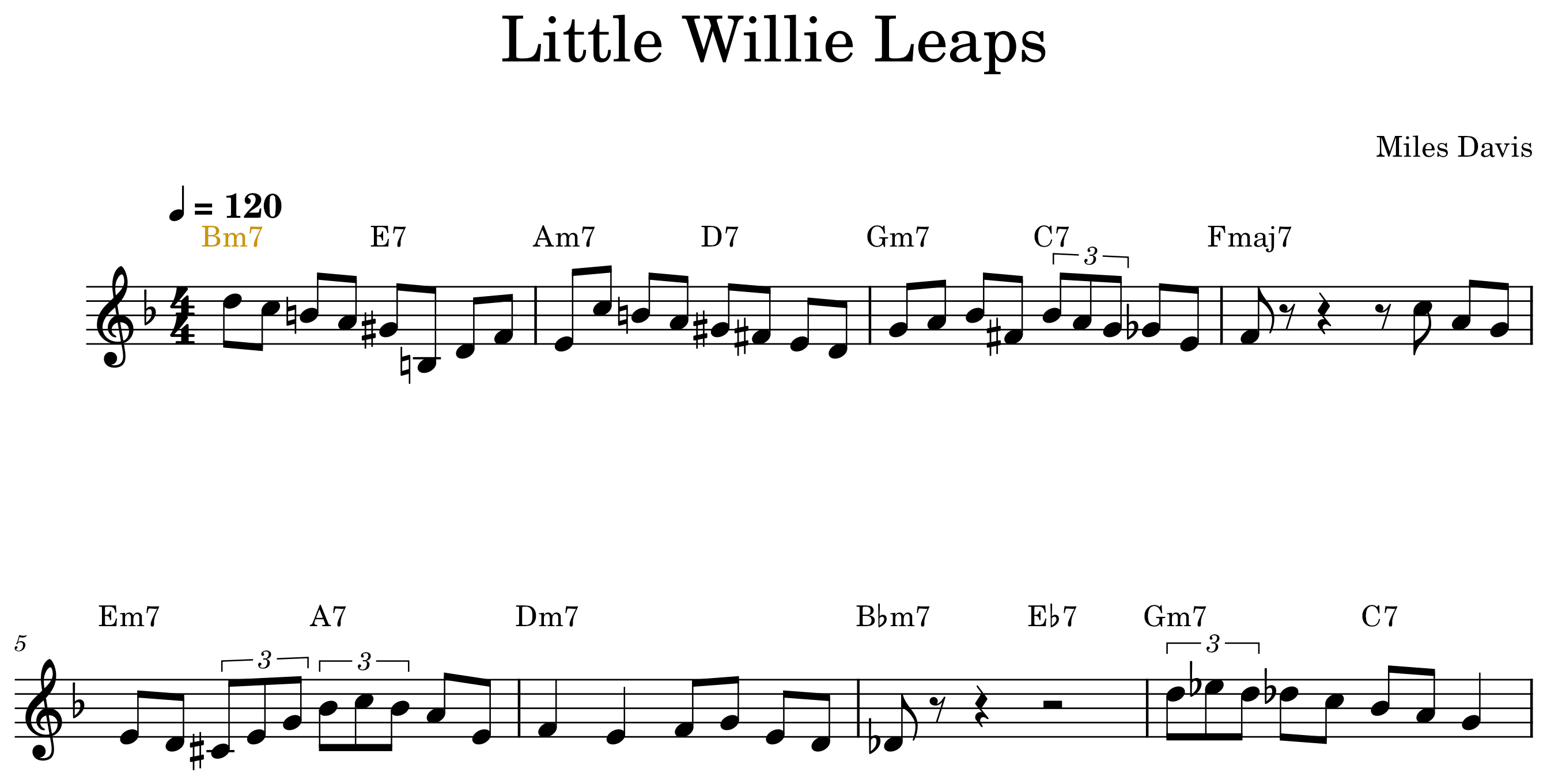
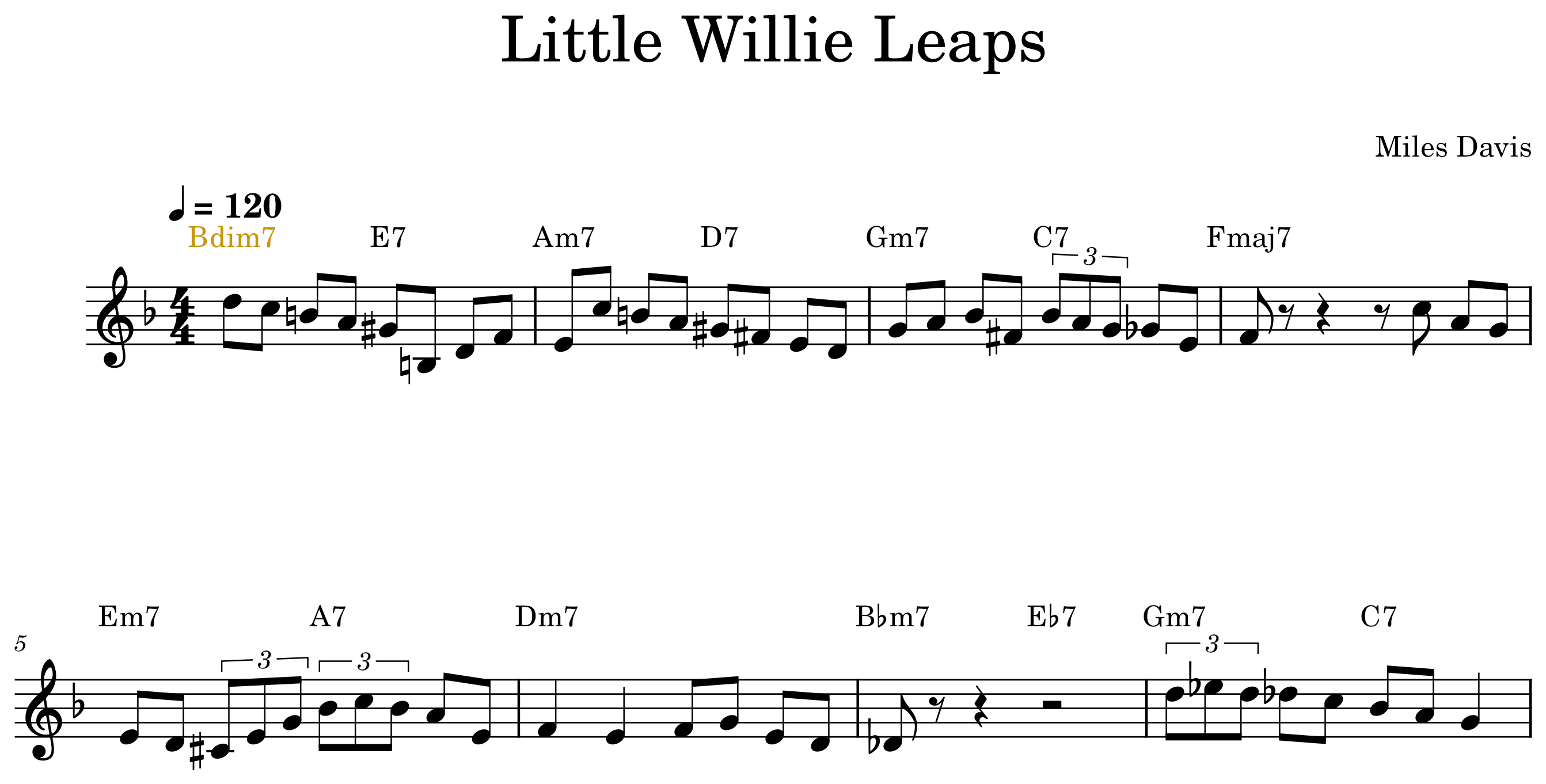
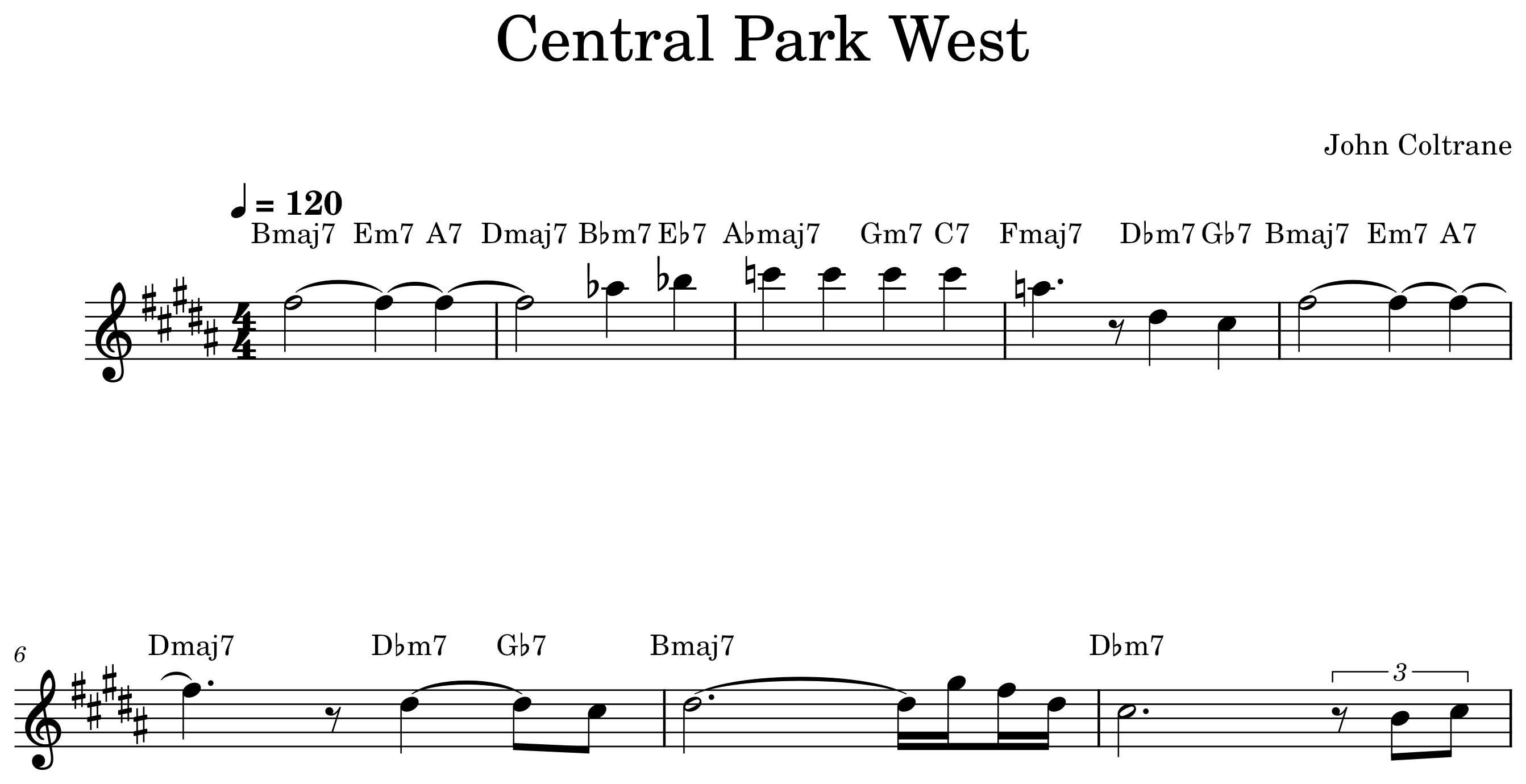
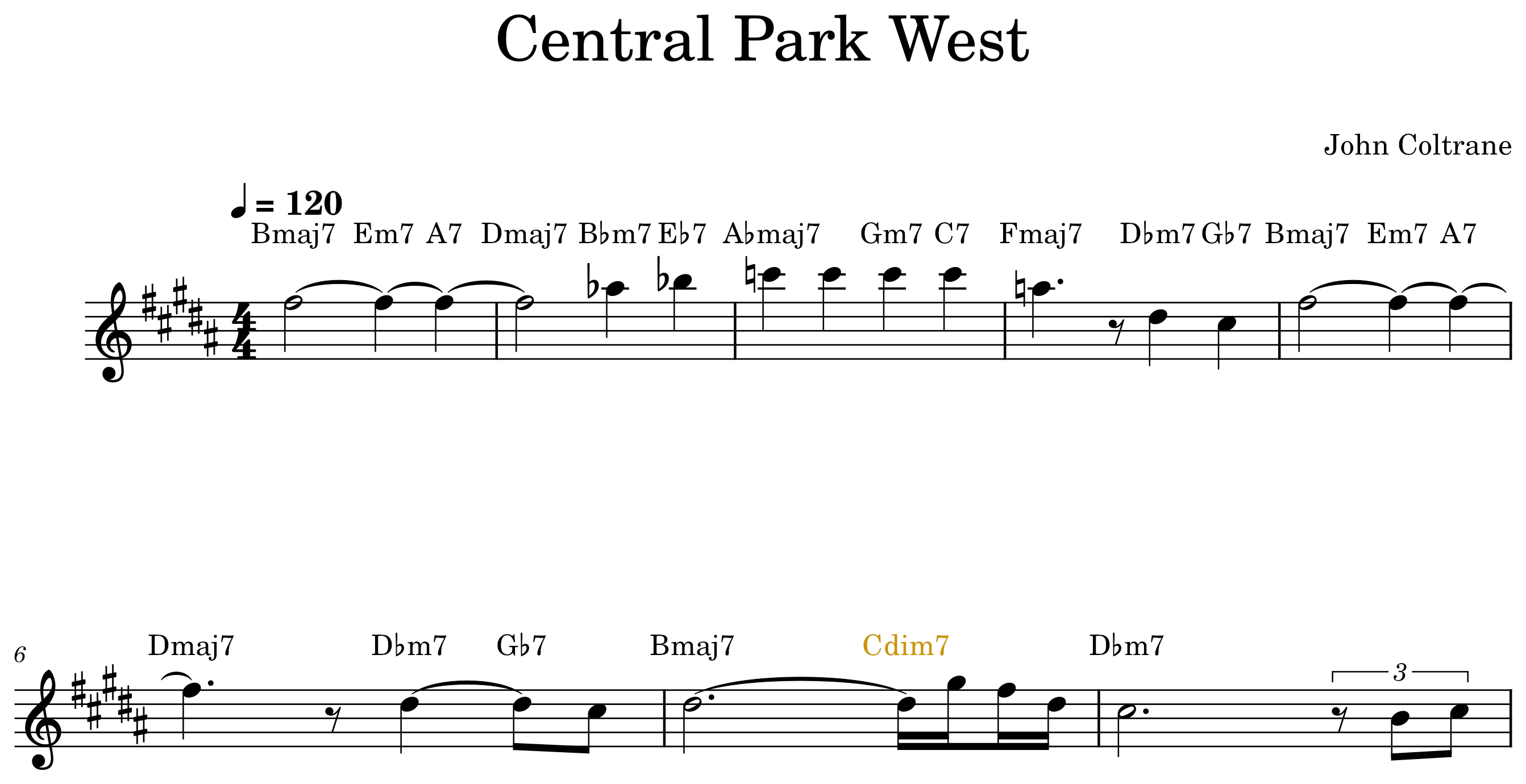
A dim7 on the SAME root as the chord it embellishes (C6-Cdim-C6), replacing it or inserted after it under the beat-3 metric gate.
Applied edit — bar 1, beat 1: replace B:min7 with B:dim7
Diminished for dominant
A dominant is replaced by a dim7 rooted on its 3rd, 5th, 7th, or b9 — the rootless V7b9 voicing (Bdim7 = G7b9 without the root).
Applied edit — bar 2, beat 3: replace F:7 with C:dim7
Diminished passing chord also inserts
A dim7 connects the surrounding chords by semitone root motion, ascending or descending; must be shorter than a full bar.
Applied edit — bar 7, beat 4: insert C:dim7
Diminished resolution
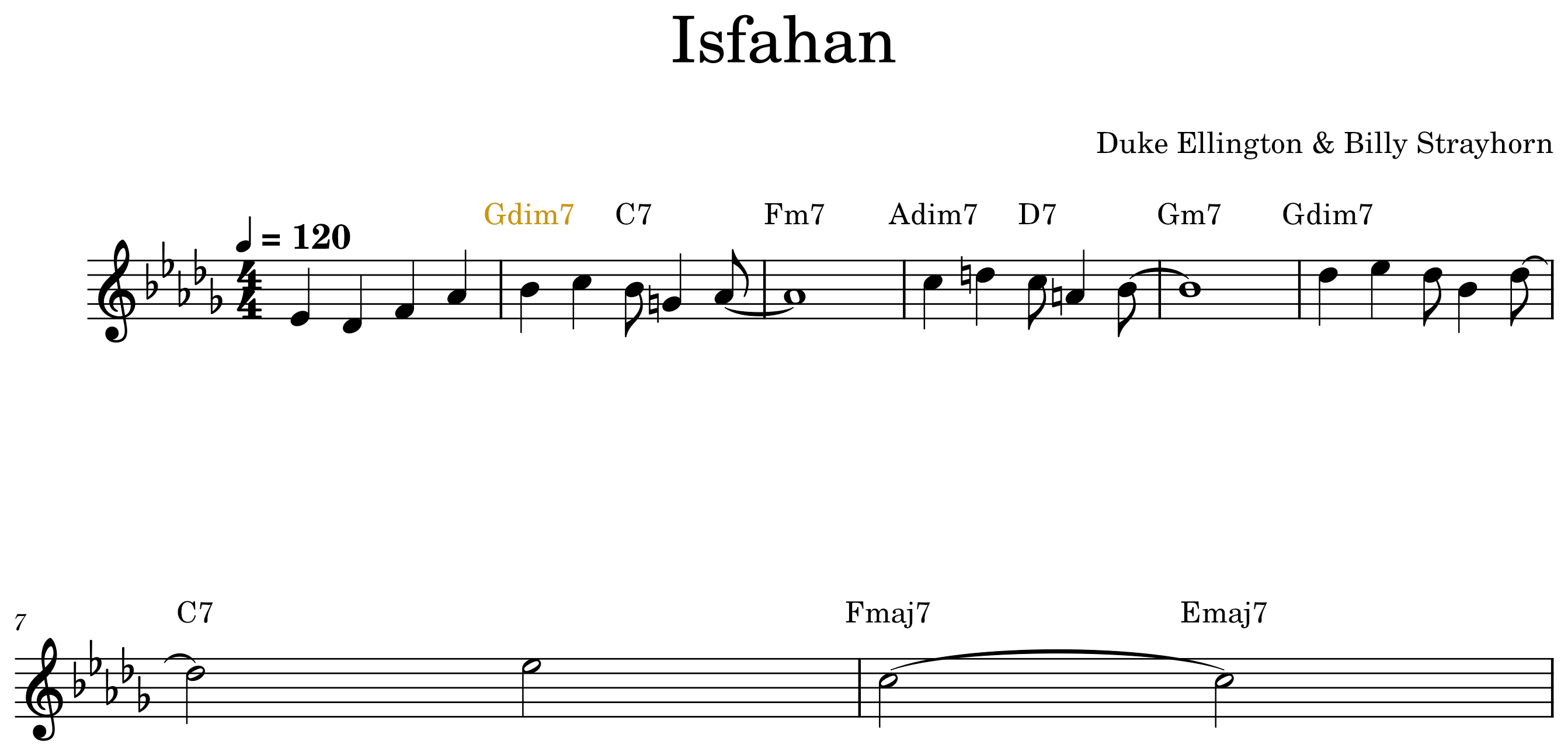
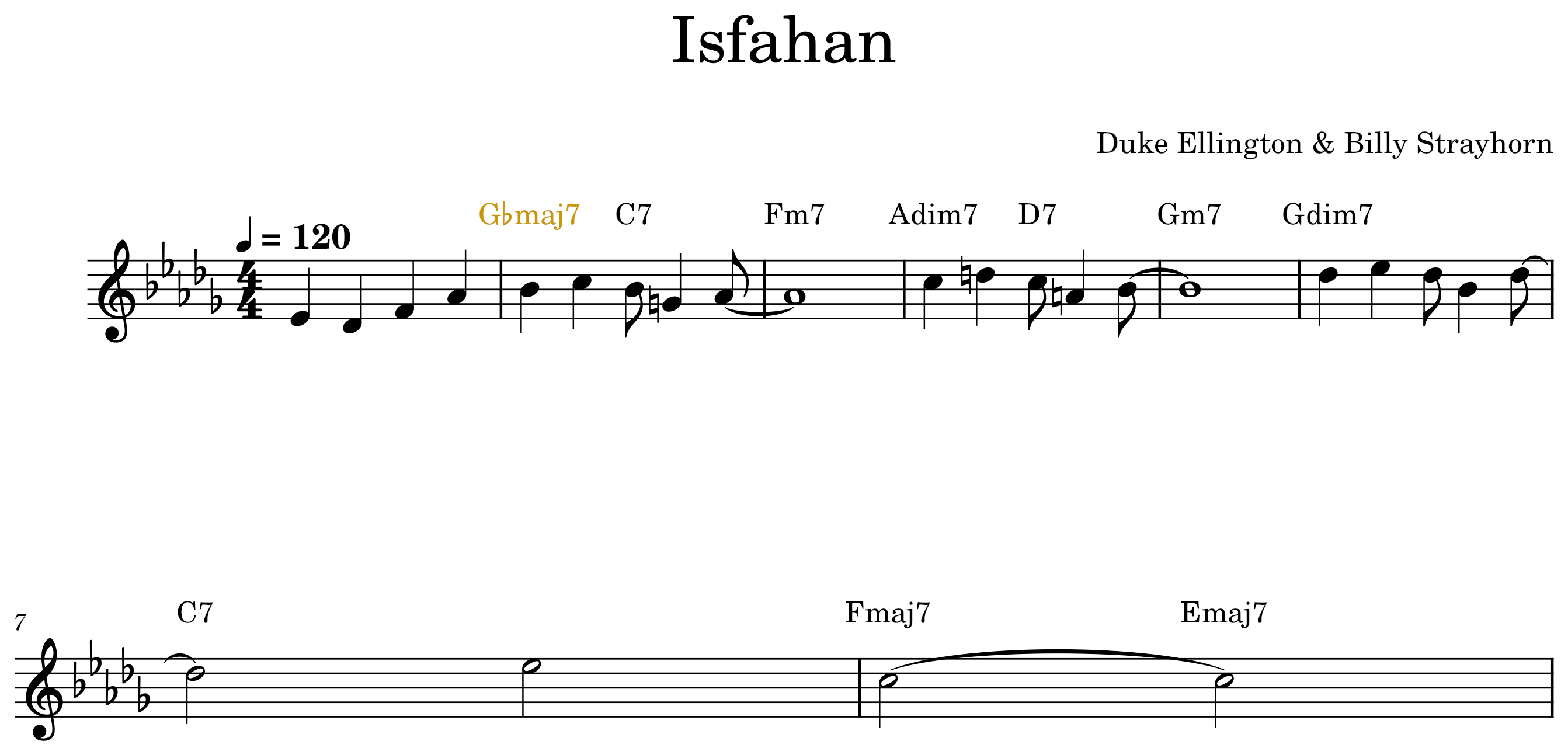
An existing dim7 in the grid resolves: replaced by a stable chord a half-step away (up = passing resolution, down = return to the embellished chord). Keeps dim7 slots from being dead ends.
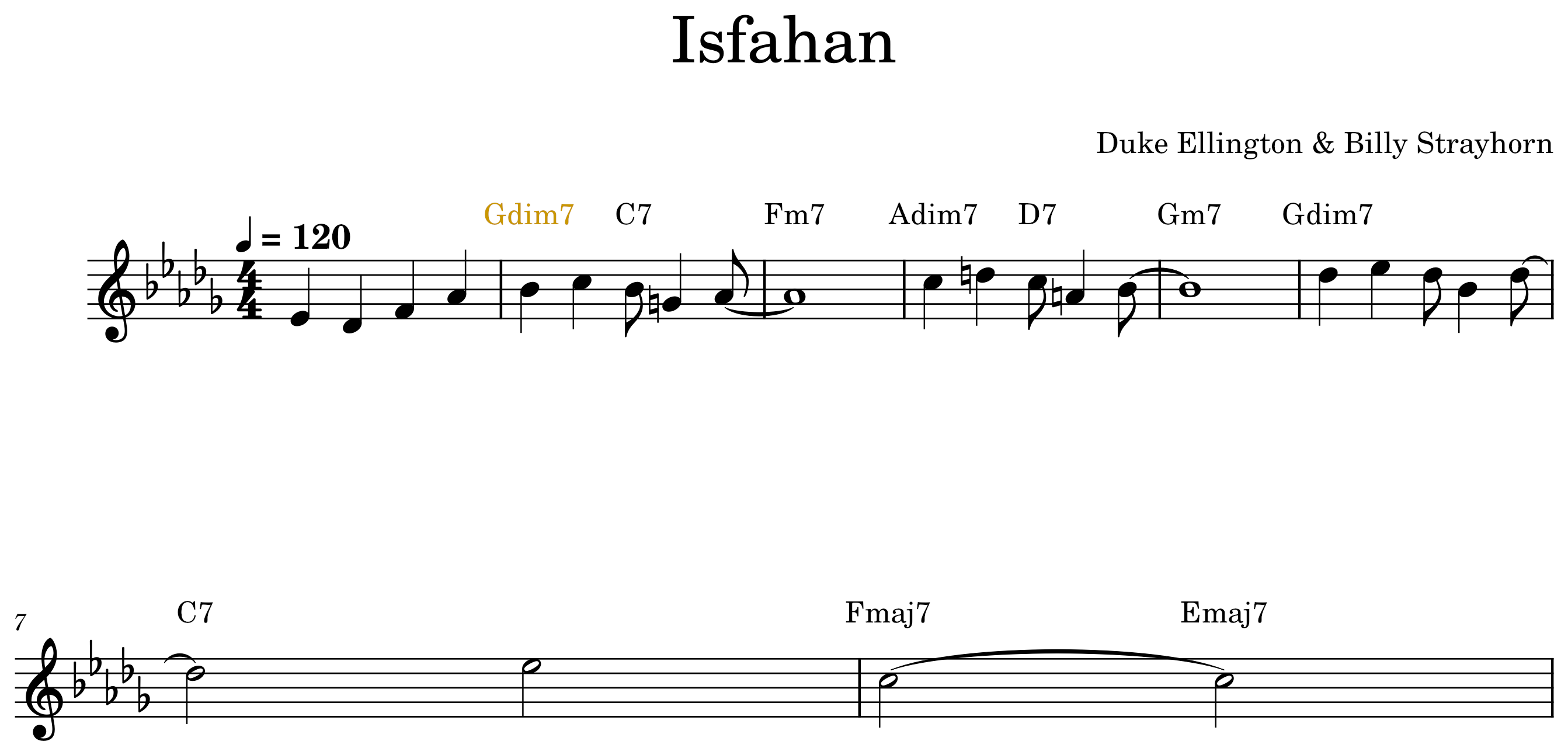
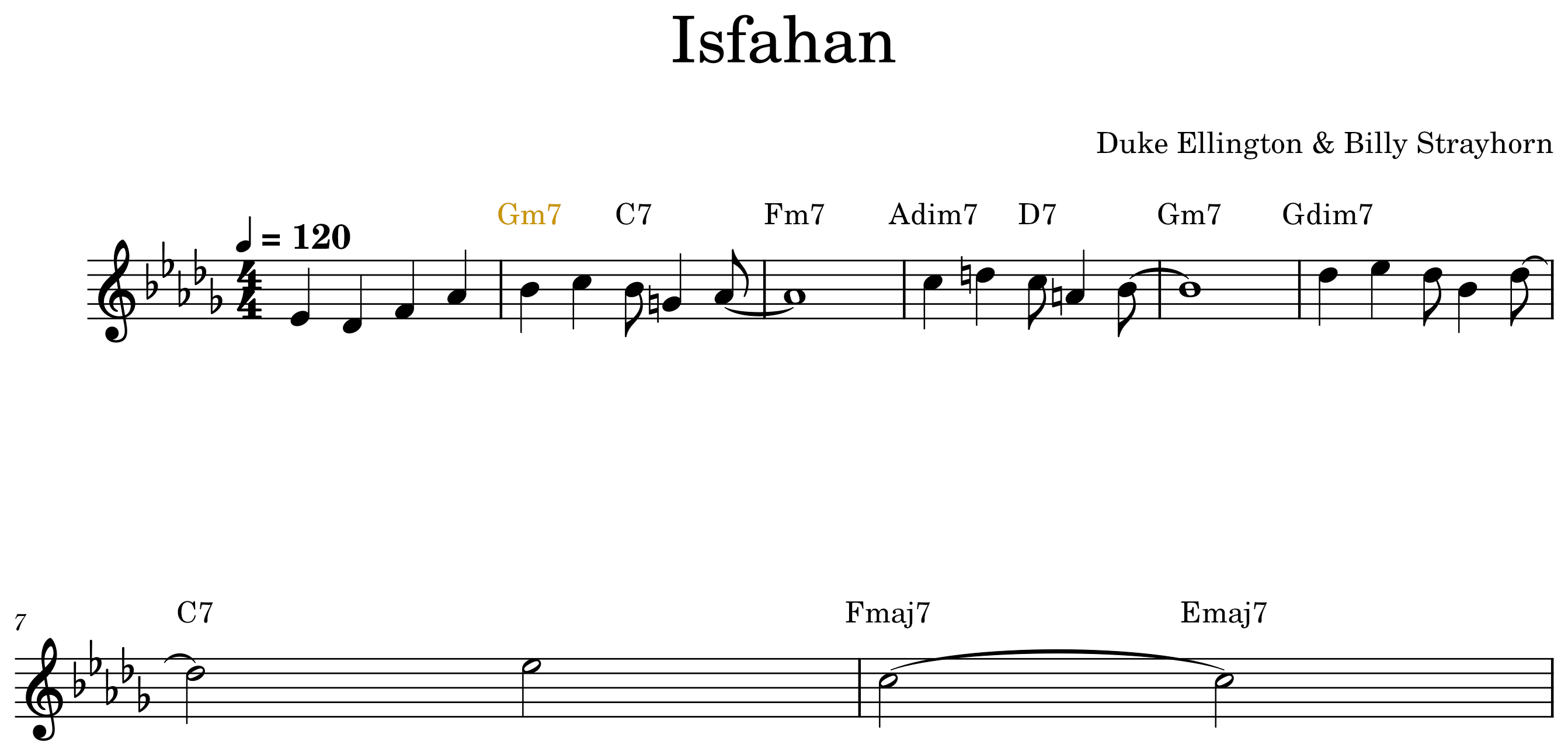
Applied edit — bar 2, beat 1: replace G:dim7 with F#:maj7
Modal interchange and the minor-key palette
Minor palette: Neapolitan bII
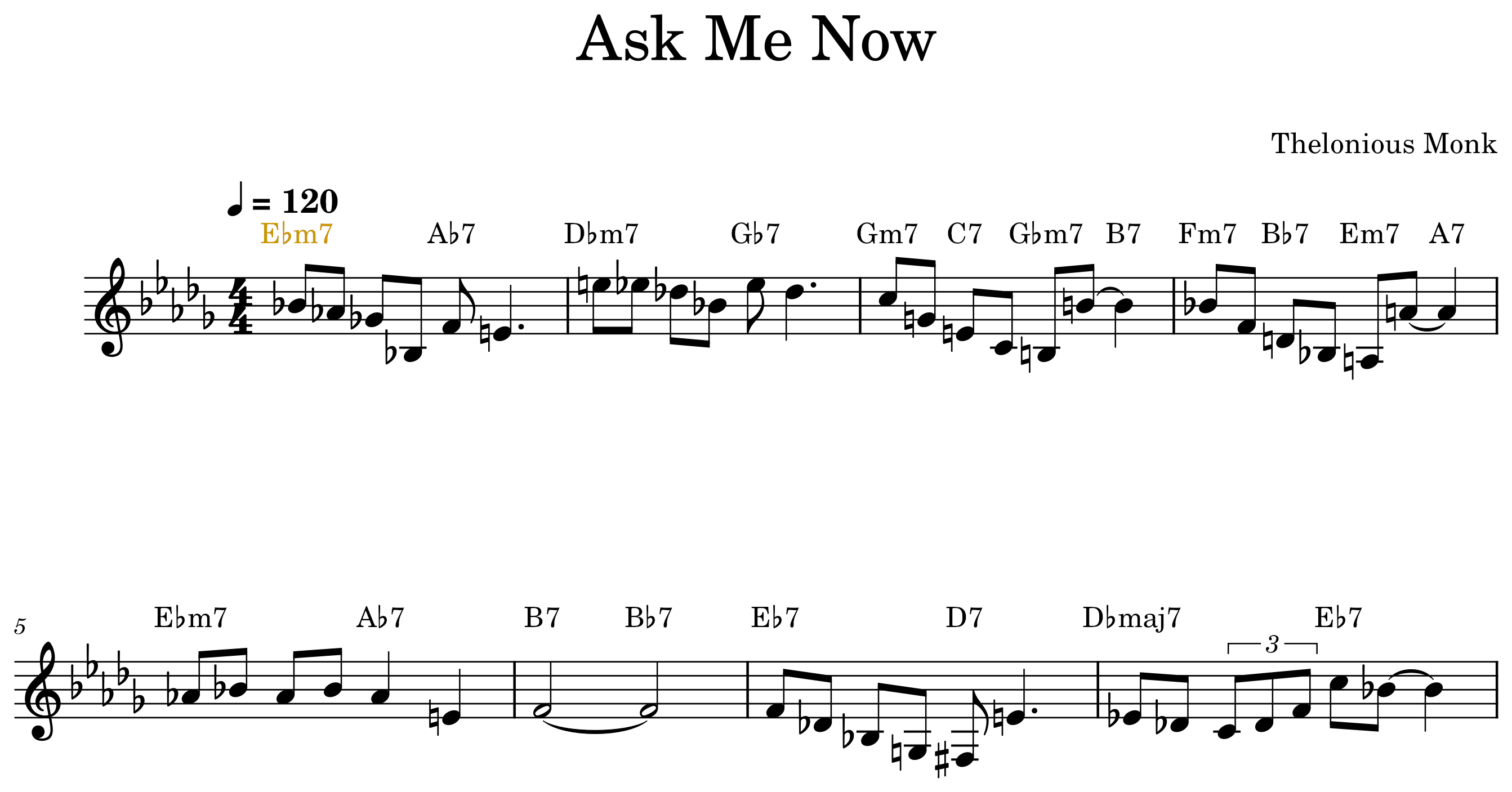
In a minor key, place the major chord on the flat second degree (Dbmaj7 in C minor) — the Neapolitan predominant.
Applied edit — bar 3, beat 1: replace Eb:min7 with Eb:maj7
Minor palette: bIII before V
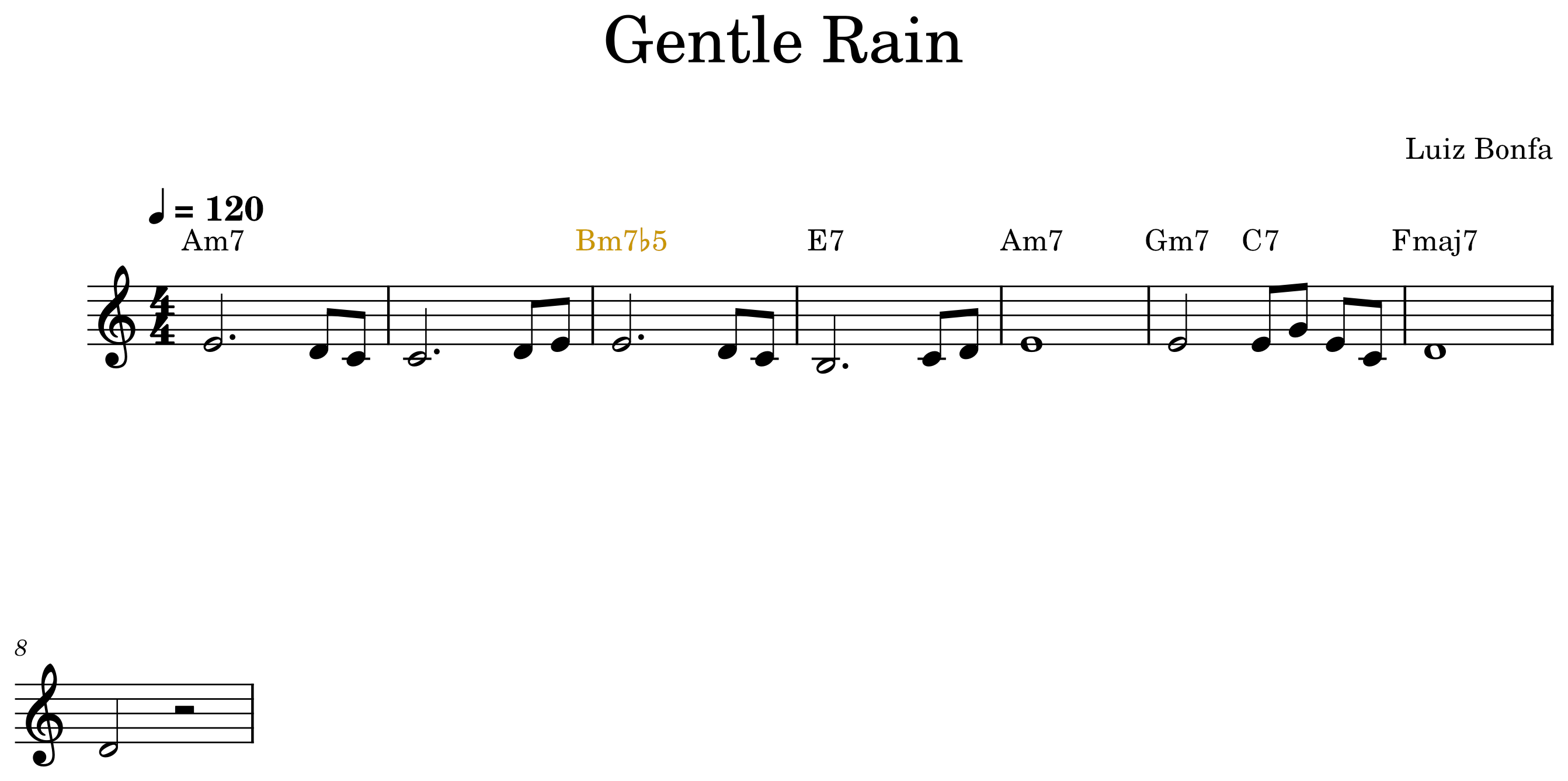
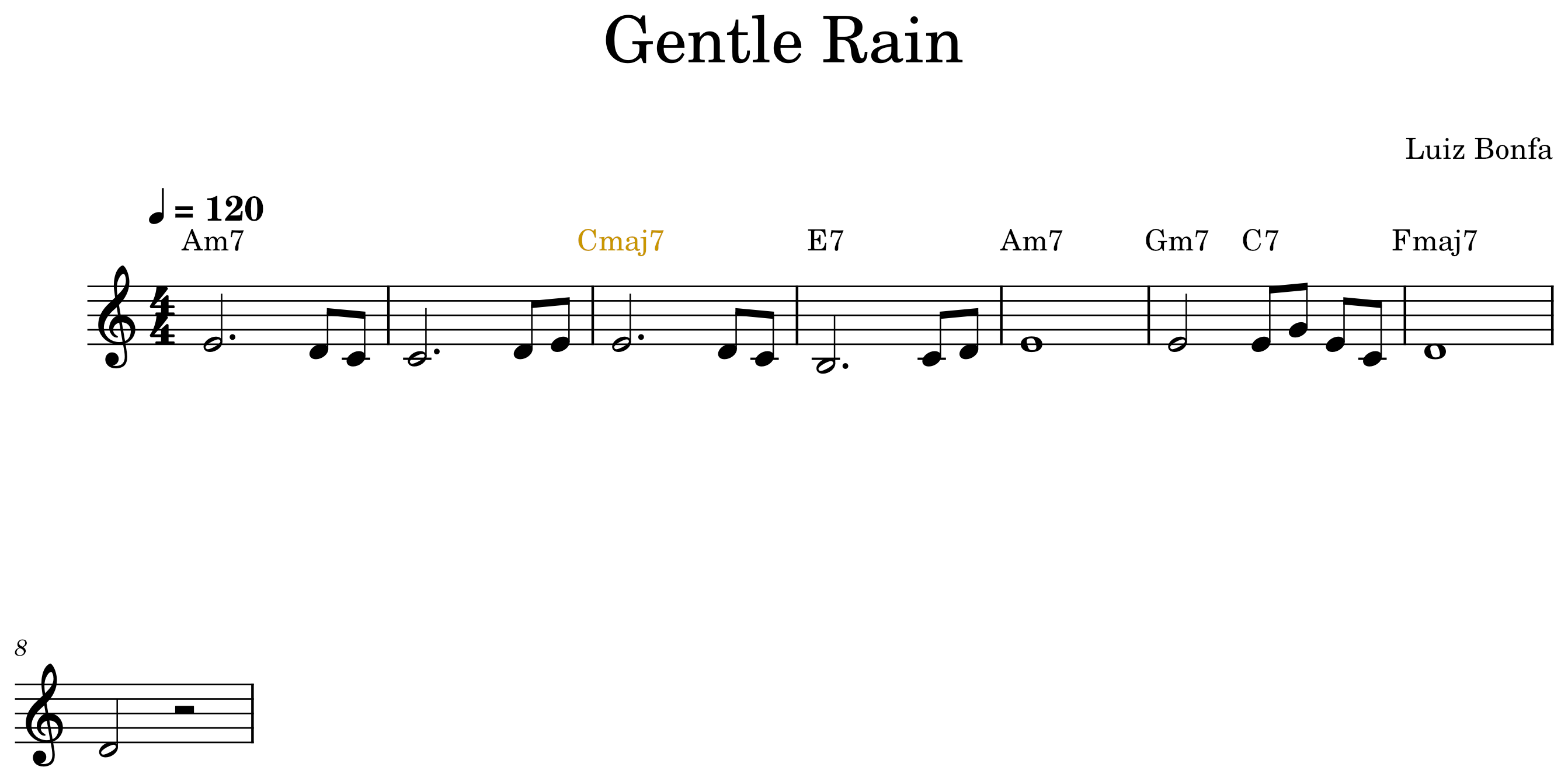
In a minor key, place the major chord on the flat third degree when the NEXT chord's root is the key's fifth degree (Ebmaj7 before G7 in C minor). V-degree gate corpus-validated 2026-06-09.
Applied edit — bar 3, beat 1: replace B:hdim7 with C:maj7
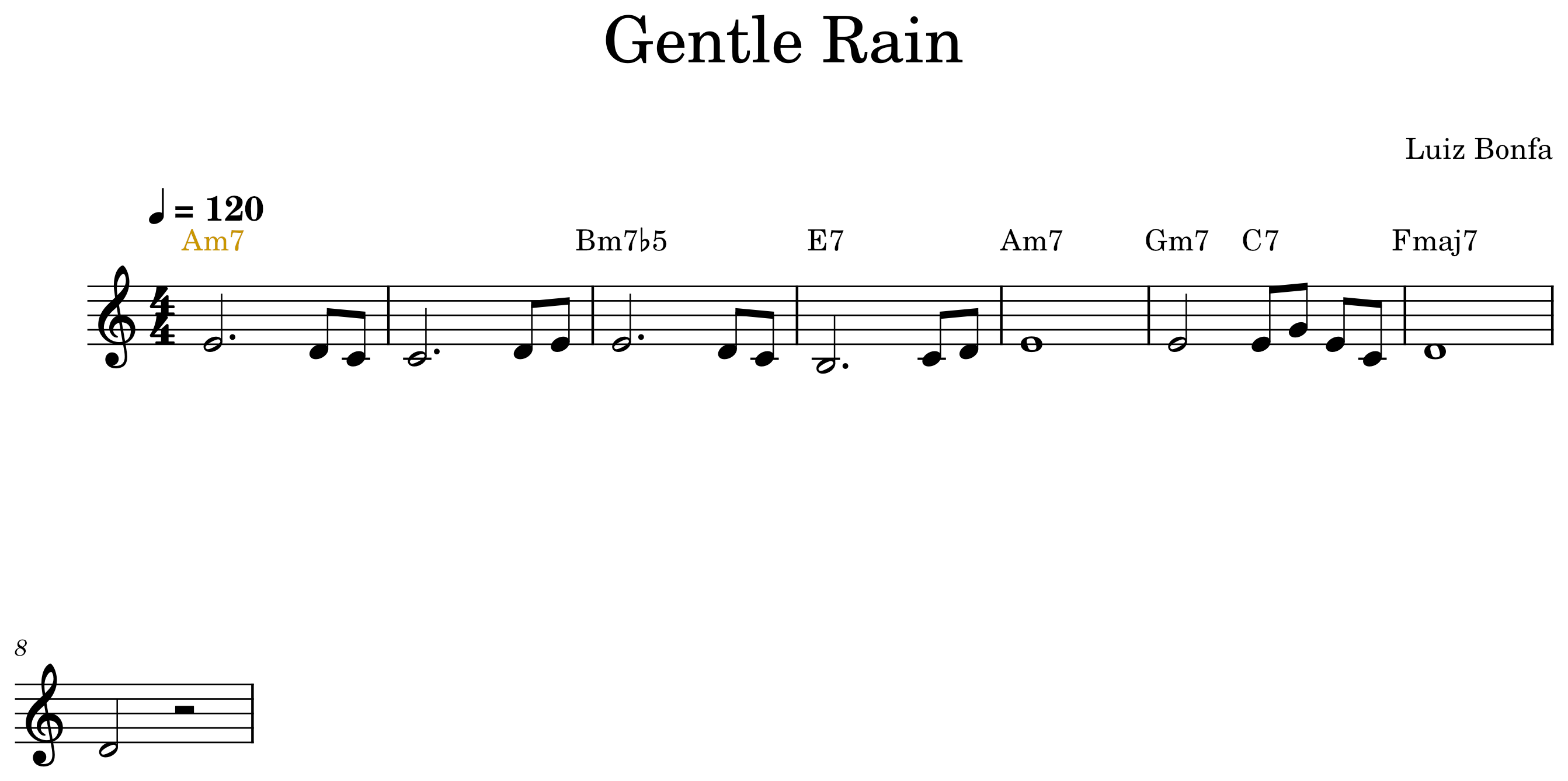
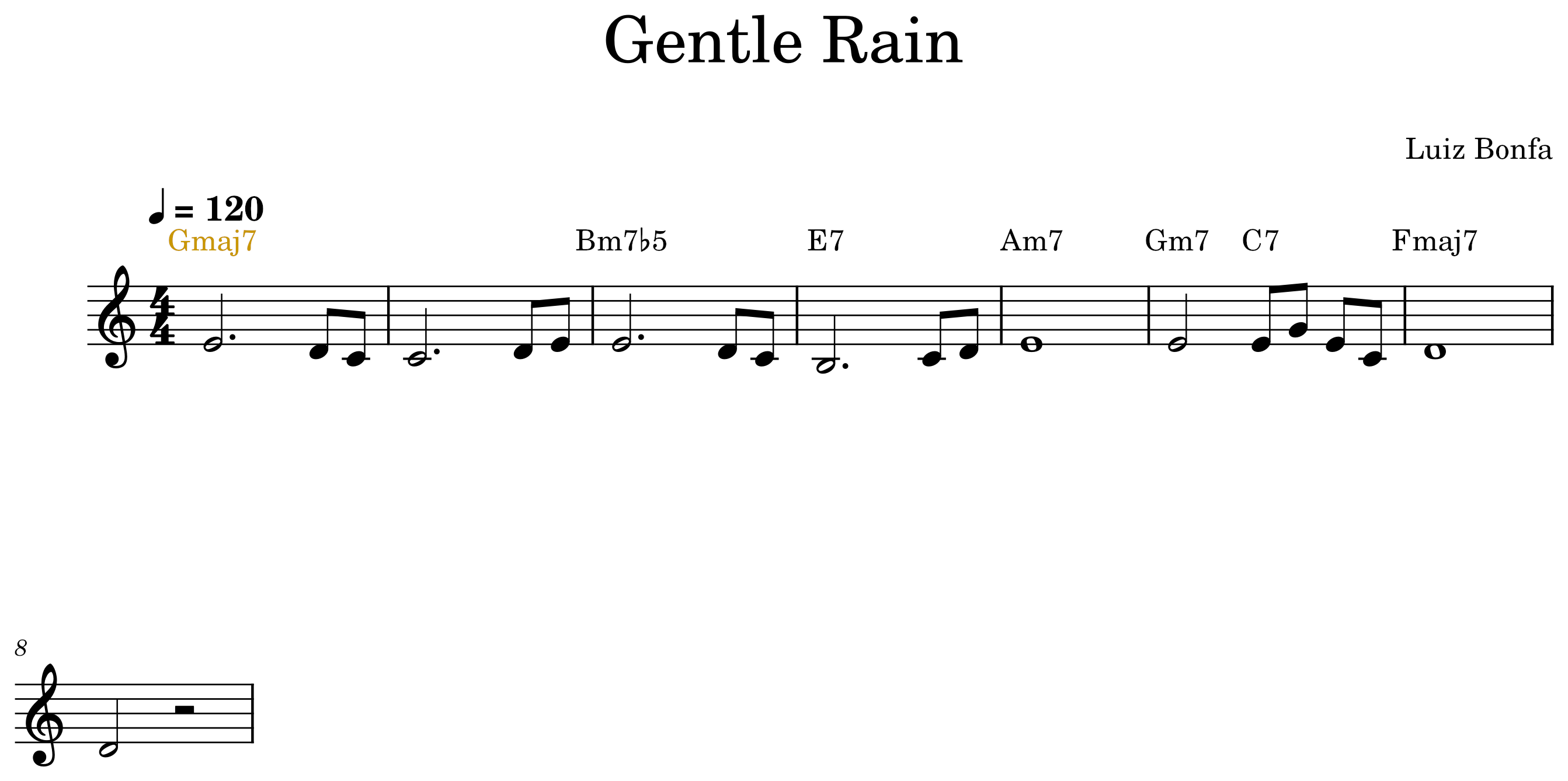
Minor palette: bVI
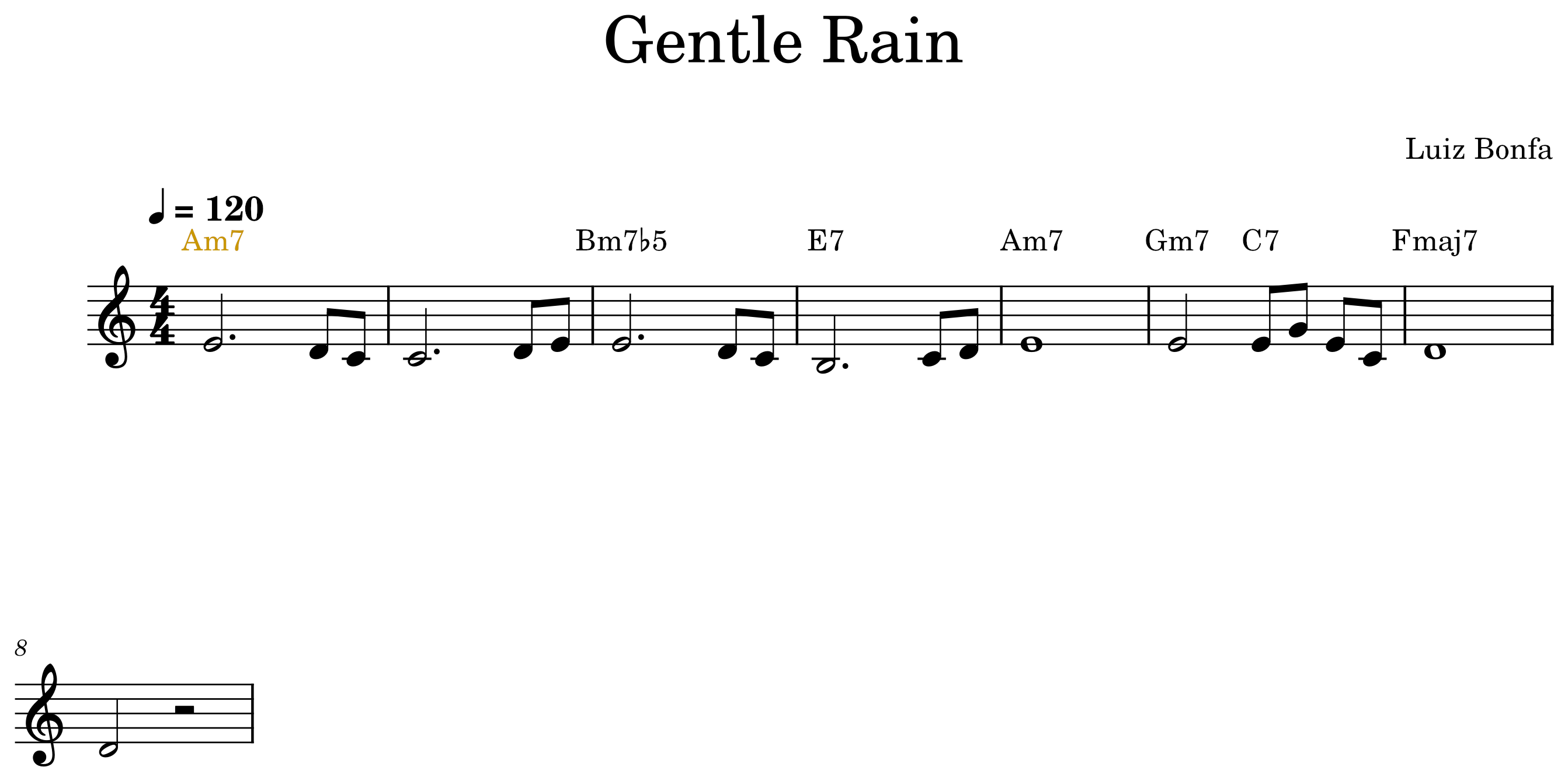
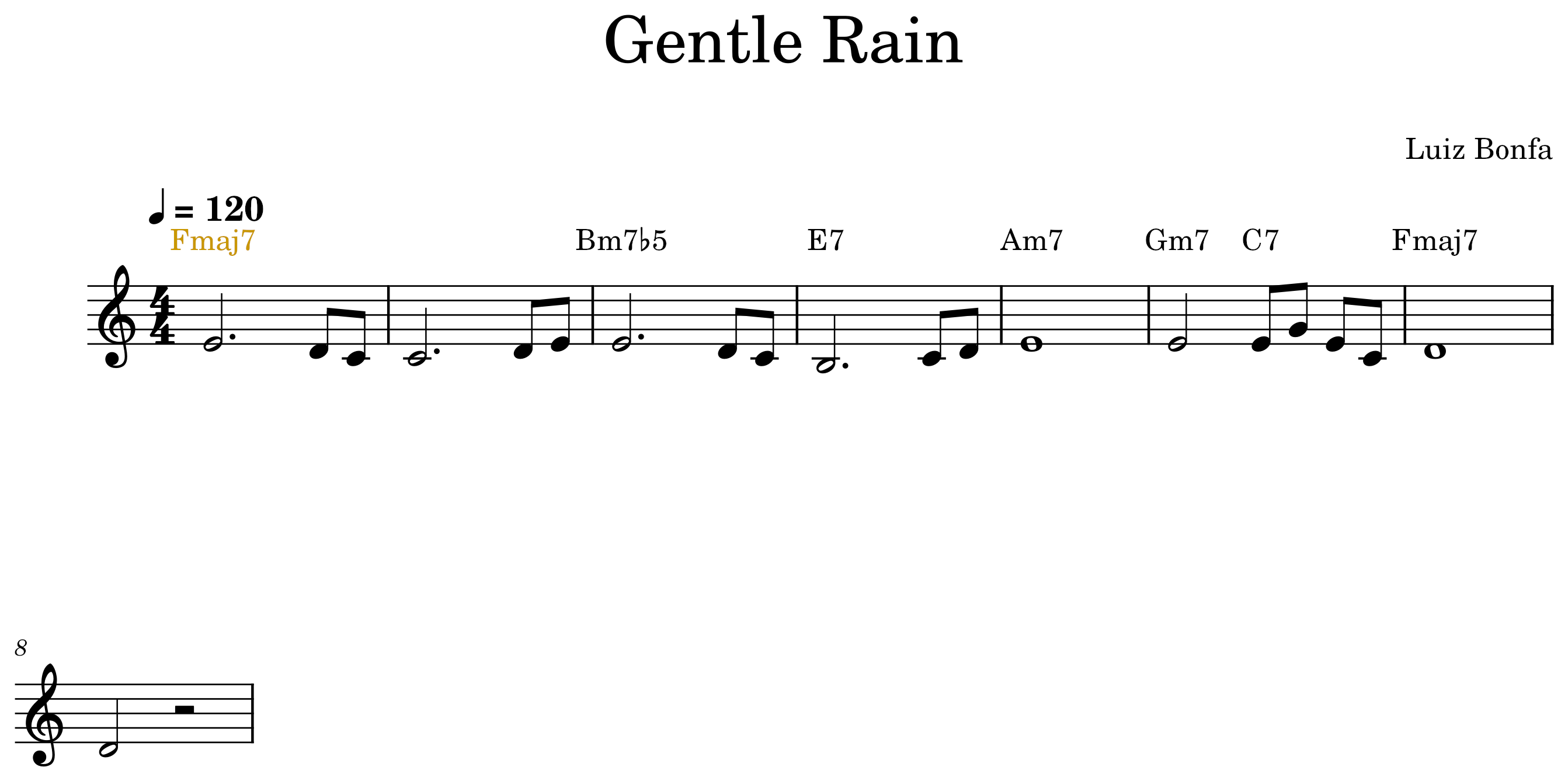
In a minor key, place the major chord on the flat sixth degree (Abmaj7 in C minor).
Applied edit — bar 1, beat 1: replace A:min7 with F:maj7
Minor palette: ii-half-dim predominant
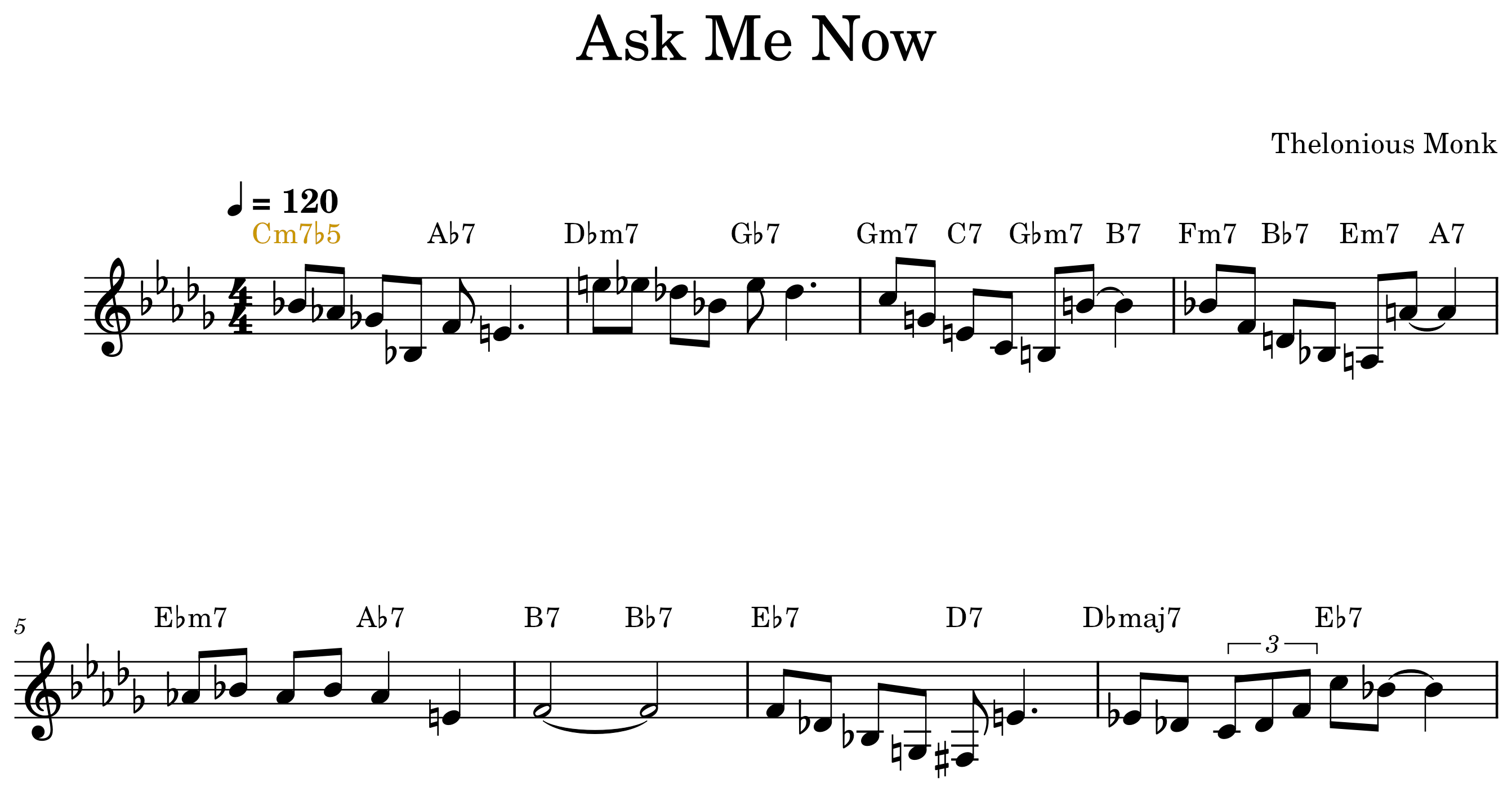
In a minor key, place the half-diminished seventh on the second degree (Dm7b5 in C minor) — THE minor-key predominant (iio7 -> V7 -> i). Degree anchoring corpus-corrected 2026-06-12.
Applied edit — bar 1, beat 1: replace Eb:min7 with C:hdim7
Minor palette: major IV
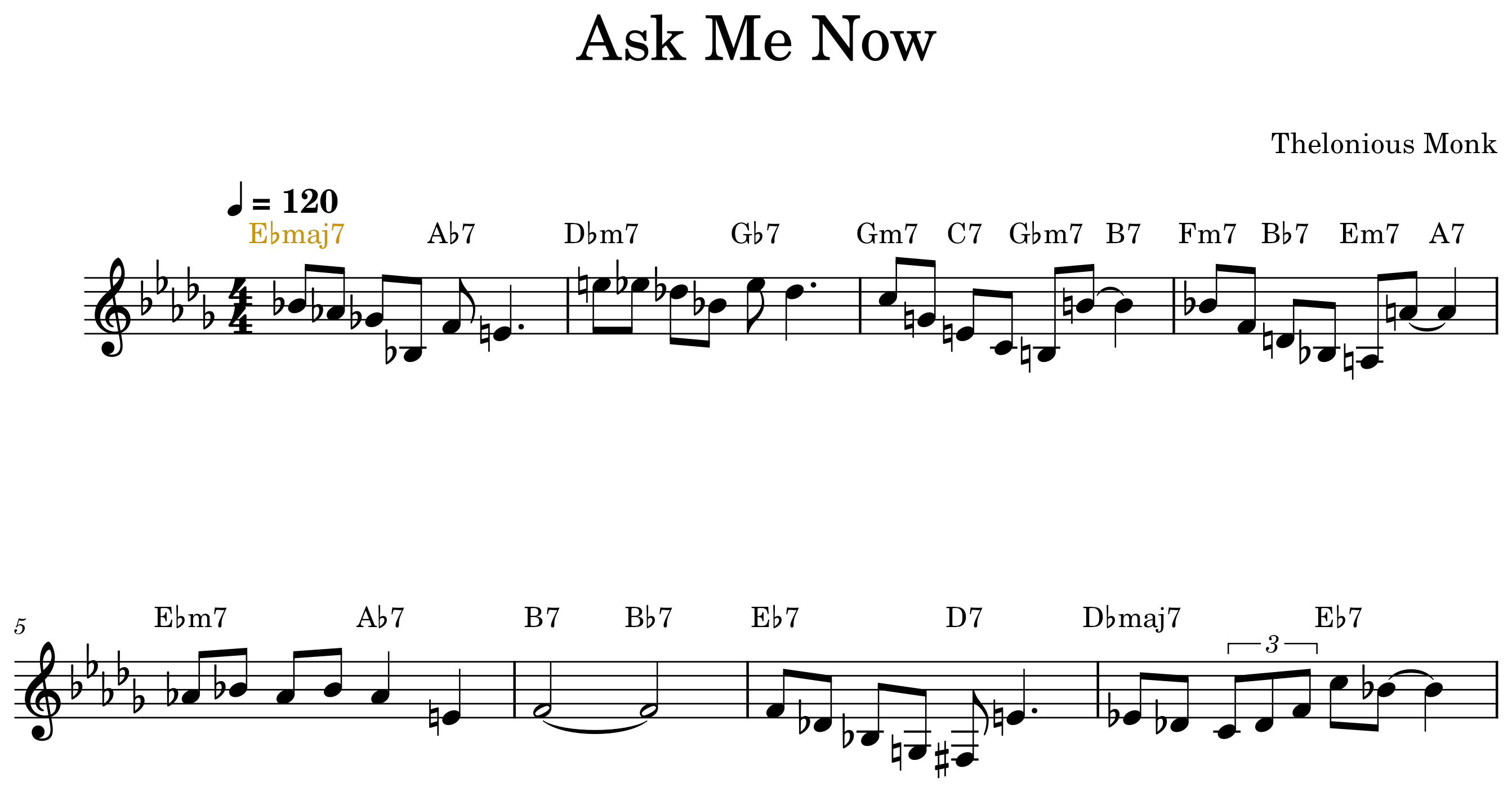
In a minor key, place the MAJOR chord on the fourth degree (Fmaj7 in C minor — the Dorian/melodic-minor borrowing).
Applied edit — bar 1, beat 1: replace Eb:min7 with Eb:maj7
Minor palette: subtonic bVII
In a minor key, place the major chord on the flat seventh degree (Bbmaj7 in C minor).
Applied edit — bar 1, beat 1: replace A:min7 with G:maj7
Modal interchange (major keys)
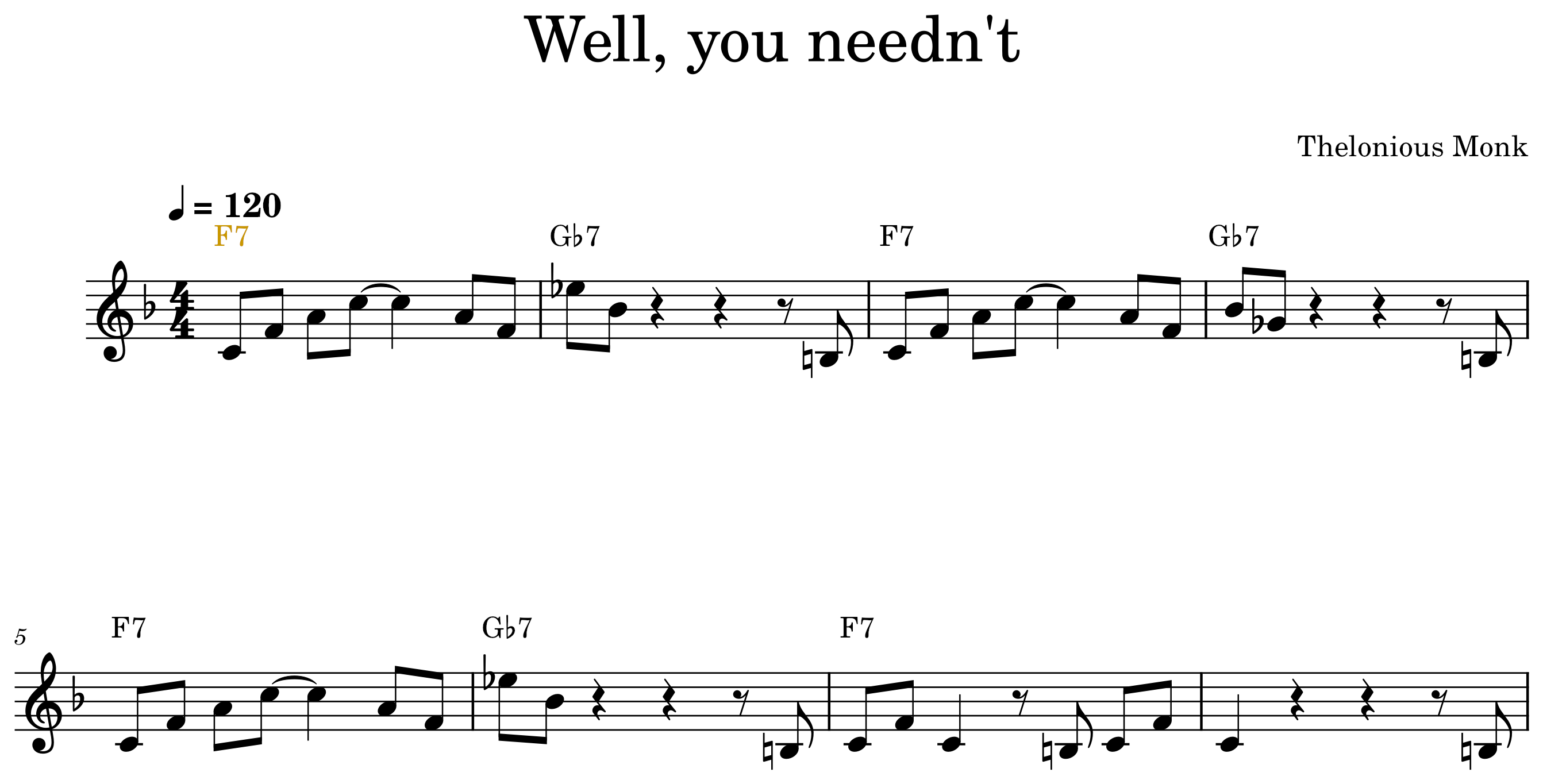
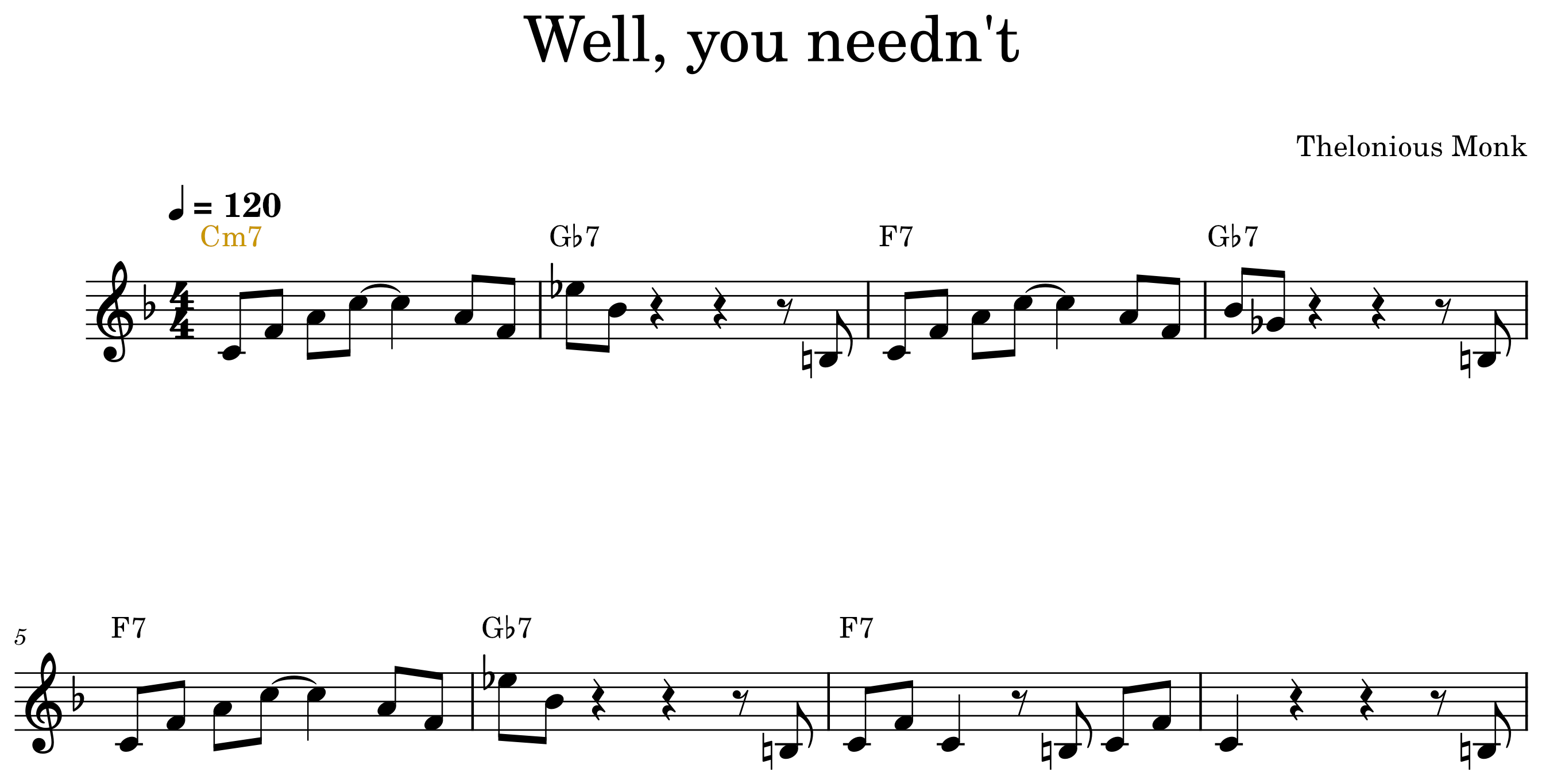
Replace with a chord borrowed from the parallel natural minor: i, ii-half-dim, bIII, iv, v, bVI, bVII7, bVIImaj7.
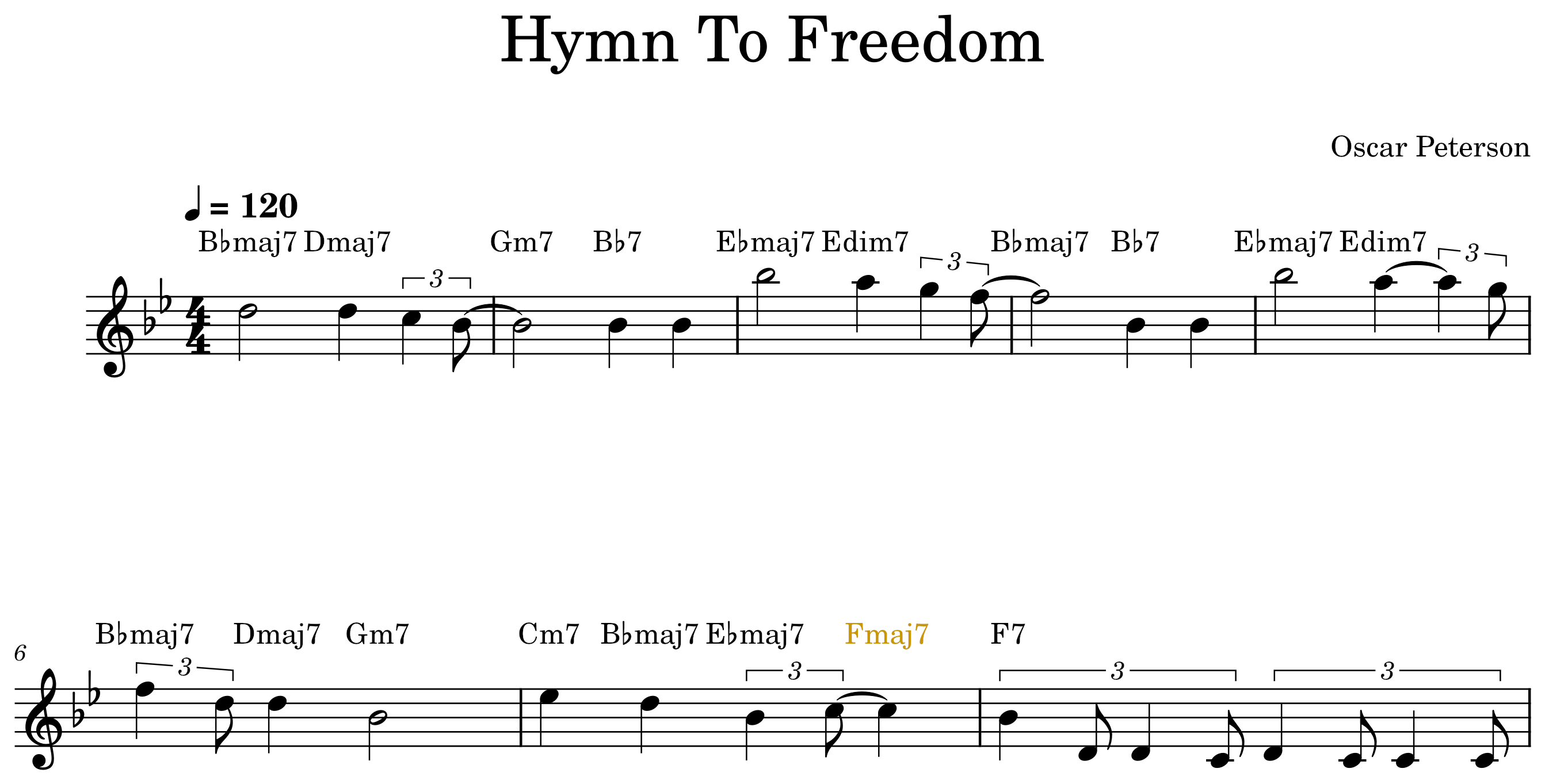
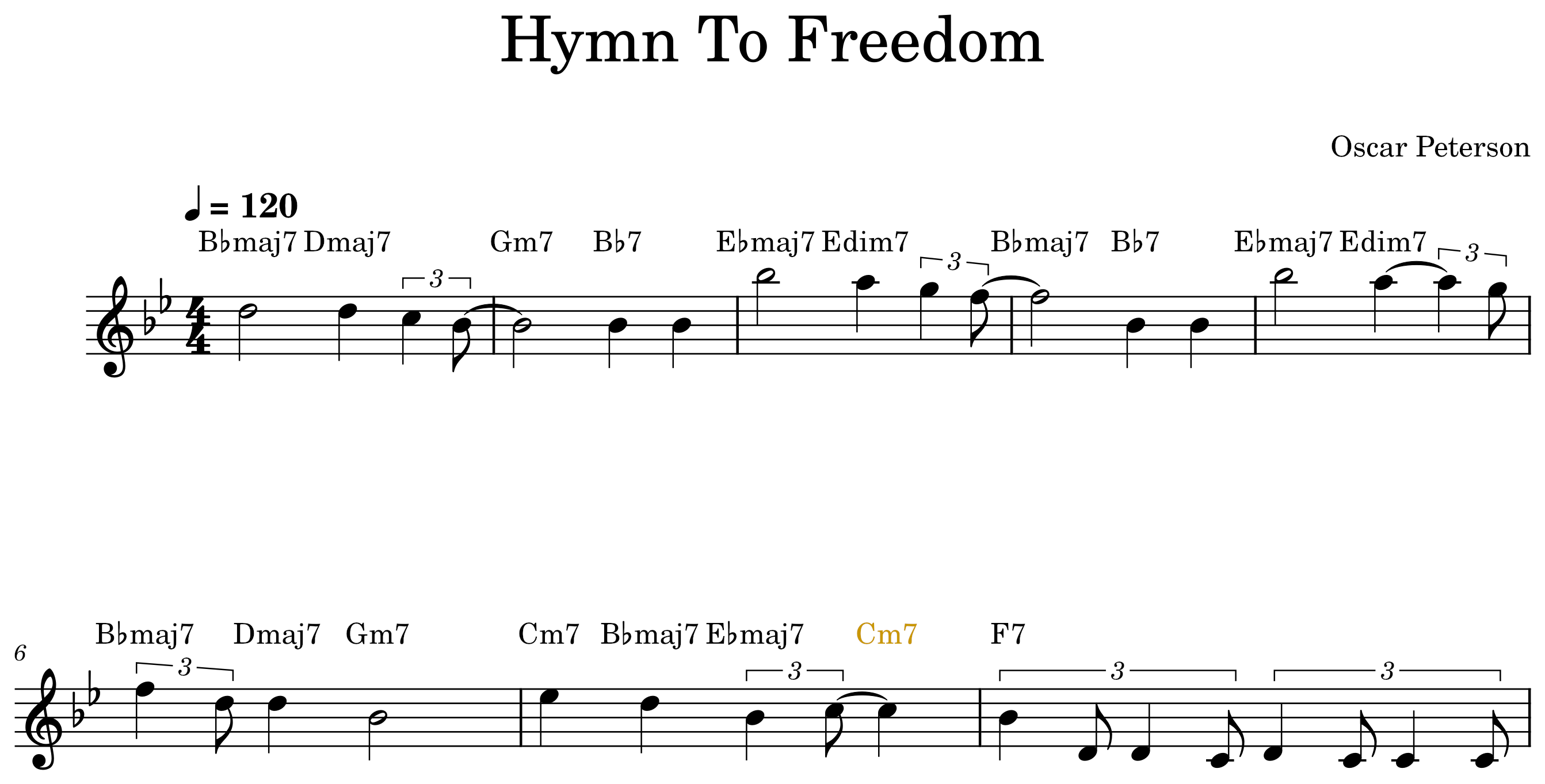
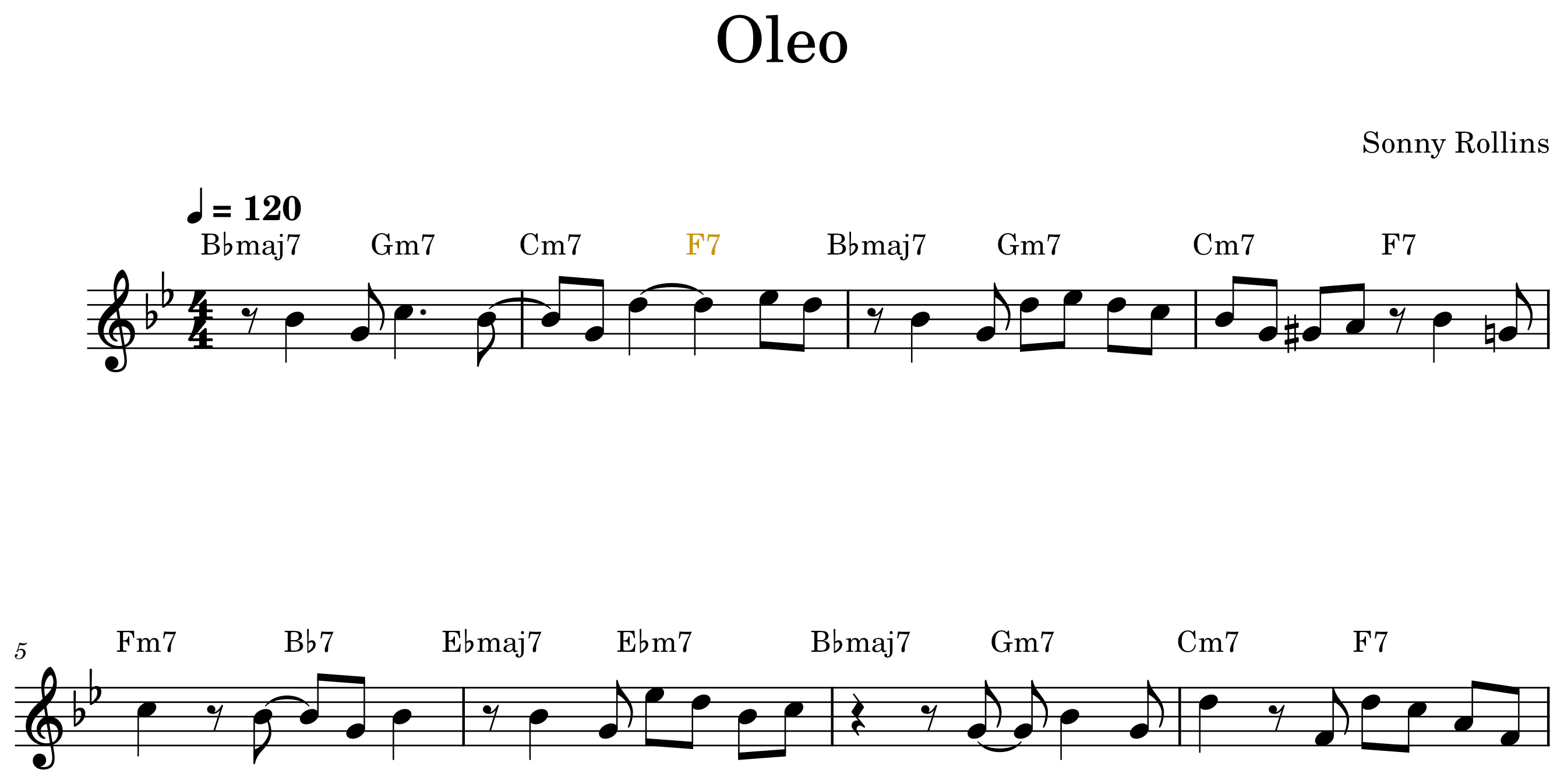
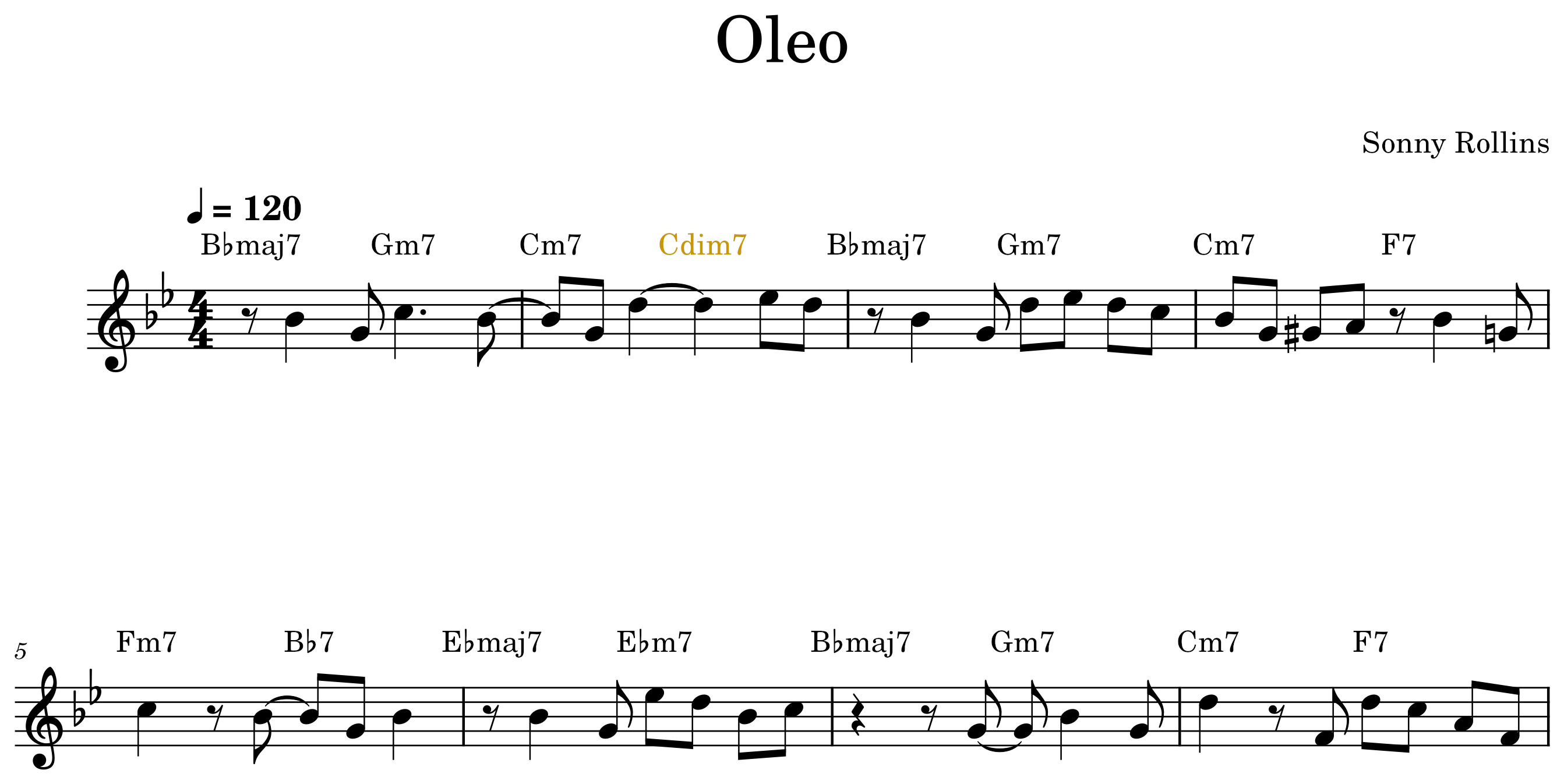
Applied edit — bar 1, beat 1: replace F:7 with C:min7
Plagal cadence
The slot before a tonic-family target receives its IV, mode-matched (IV -> I major, iv -> i minor).
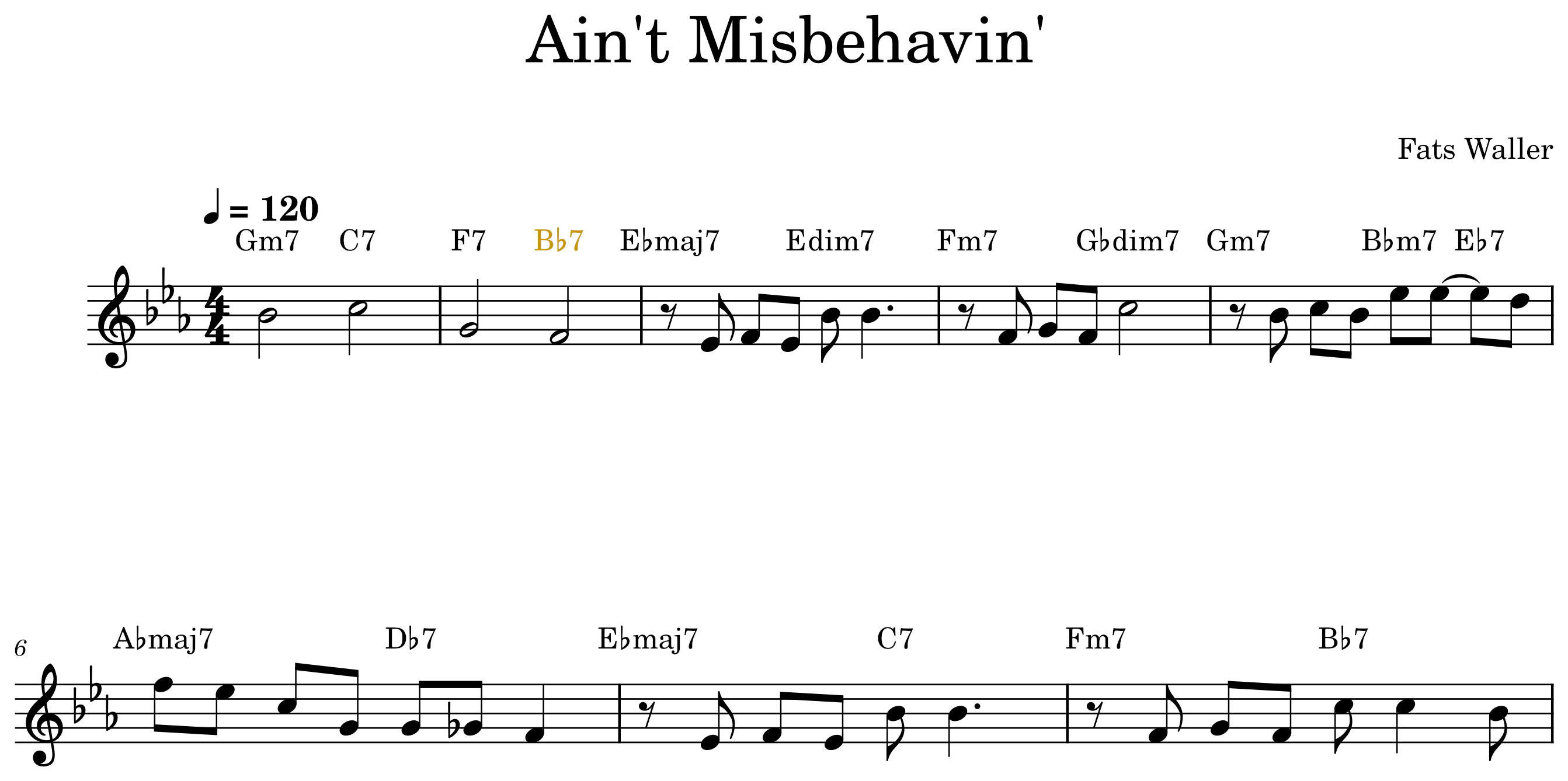
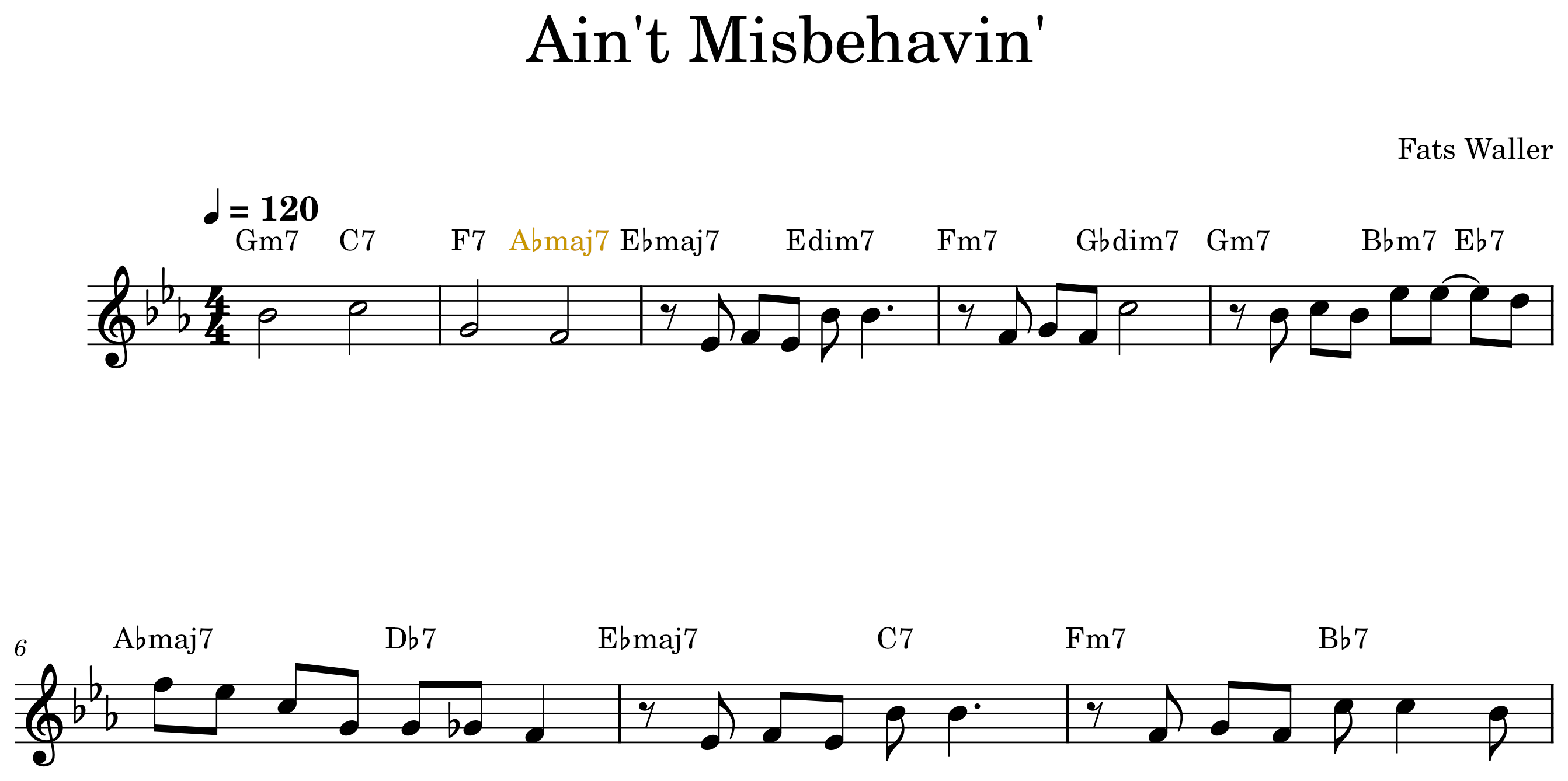
Applied edit — bar 2, beat 3: replace Bb:7 with Ab:maj7
DELETE (1) — removes a chord; the previous one sustains
Delete (structural move)
Removes a chord onset so the previous chord sustains — the pruning move. The first and last occupied chords are protected (window cadence).
Applied edit — bar 2, beat 4: delete Eb:7 (previous chord sustains)
SPLIT (1) — subdivides a chord's span
ii-V split
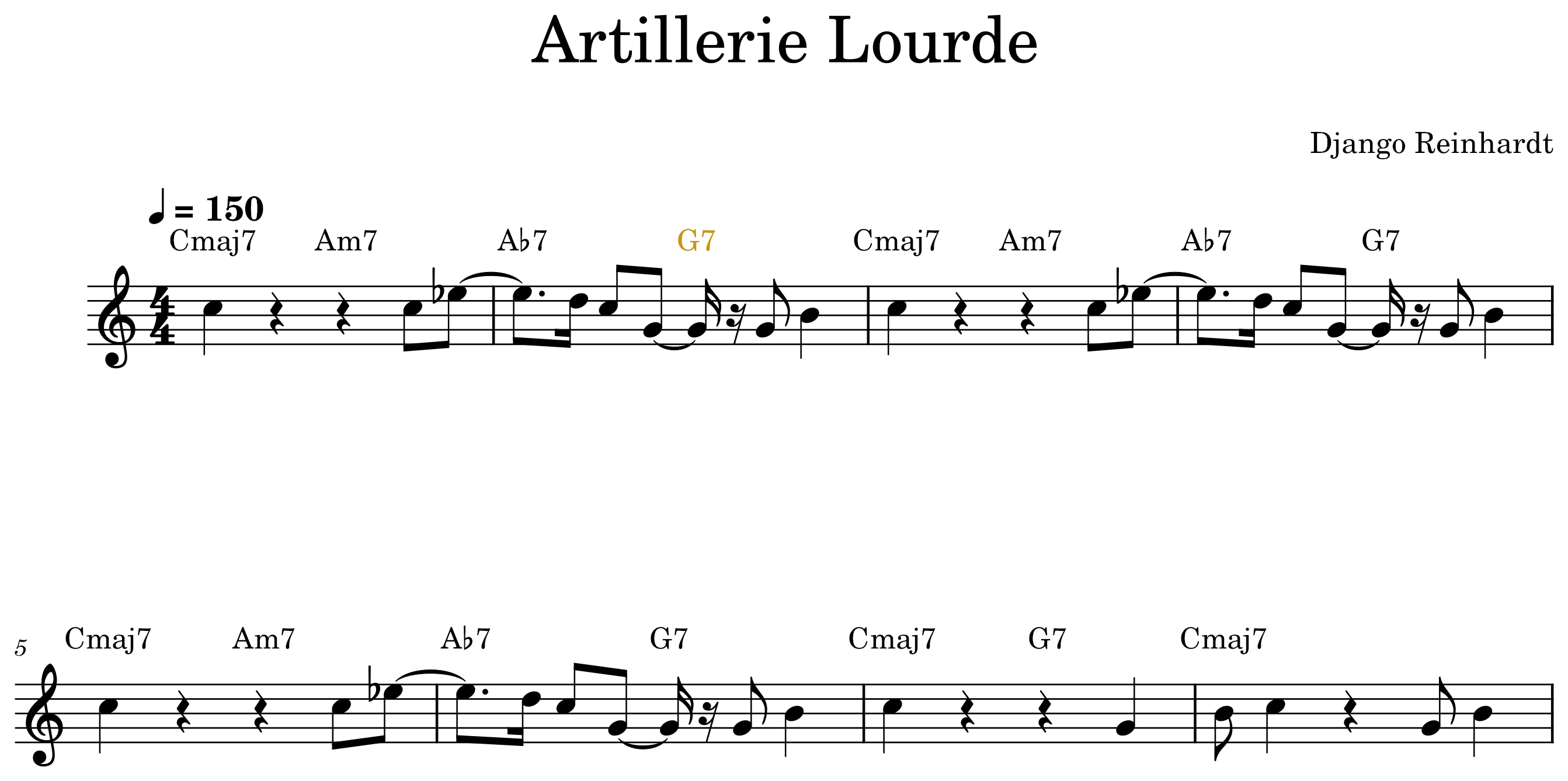
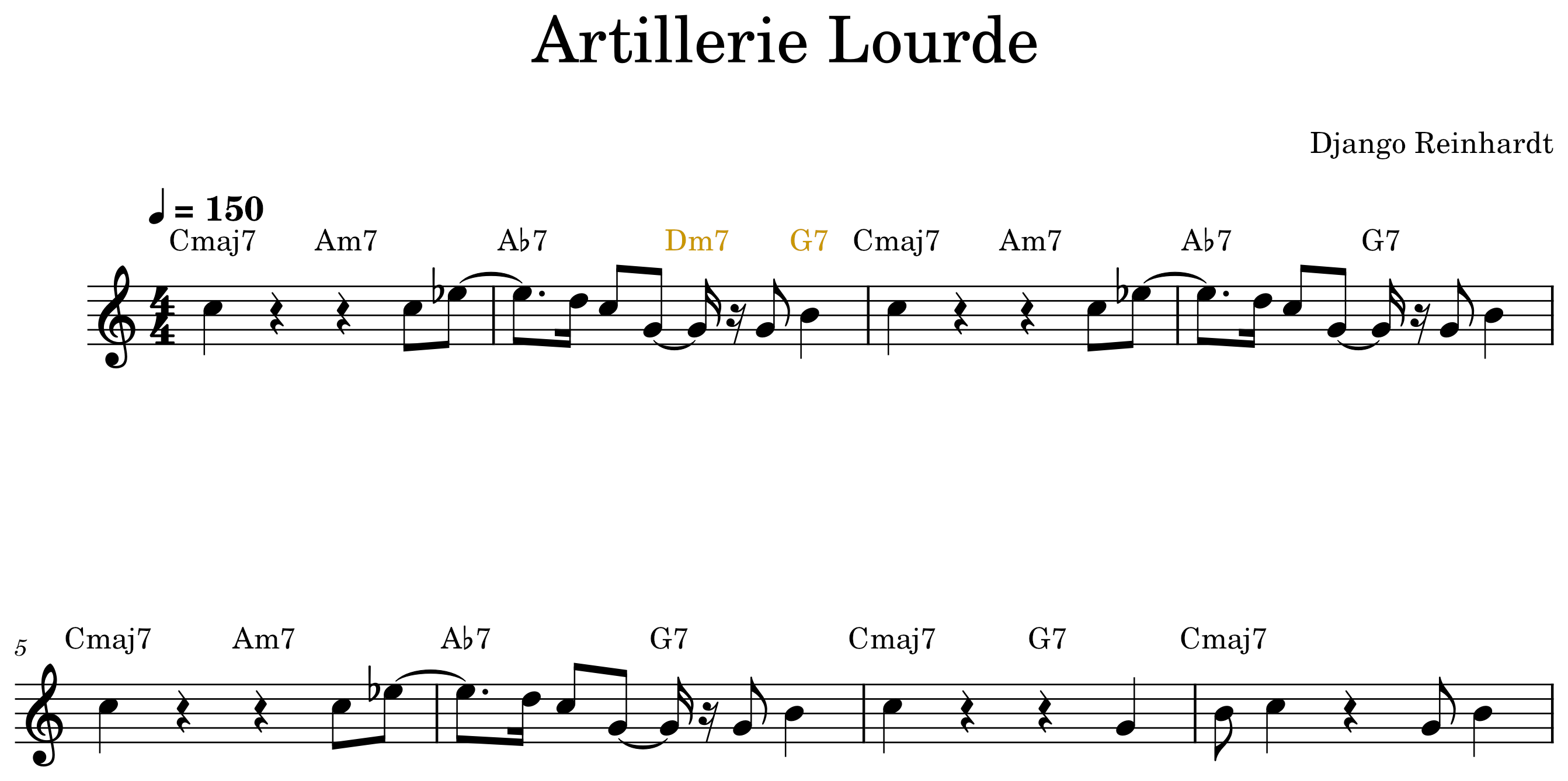
A dominant on a mid-bar half-bar span is subdivided: its related ii lands on beat 3 and the dominant is displaced to beat 4 — the quick quarter-note ii-V (C | G7 -> C | Dm7 G7).
Applied edit — bar 2, beat 3: split G:7 into D:min7 + G:7
A cursor tracks the music on the staff while a clip plays. Bar positions come from MuseScore's own measure export, so the cursor follows the engraving rather than an assumed layout.
Eight-bar excerpts, presented as research commentary alongside the
analysis they illustrate. Audio is a synthesized rendering from chord symbols, not a
recording. Non-commercial; no full scores are distributed. Lead-sheet sources: the
JazzMus corpus (CC BY-NC 4.0) and the Wikifonia archive. If you hold rights
in any material here and would like it removed, contact
alonyamin0@gmail.com.